What is a Small Bag Dust-Free Feeding Station for Pneumatic Conveying? And What Are Its Design Princ
Release time:2026-09-14 10:52:21
name of the company:Shandong Headpowder Engineering Co., Ltd.
telephone:156-6277-7102
contacts:Zhang manager
For industrial operations that require precise and efficient material handling, especially in environments where dust control is critical, small bag dust-free feeding stations equipped with pneumatic conveying systems have emerged as a reliable solution. These systems are designed to handle bulk materials from sealed bags while maintaining a clean and safe working environment. The integration of pneumatic conveying technology with dust-free feeding mechanisms ensures that material transfer is both efficient and compliant with health and safety regulations. In this article, we will explore the fundamental aspects of such systems, including their design principles and the key components that make them effective.
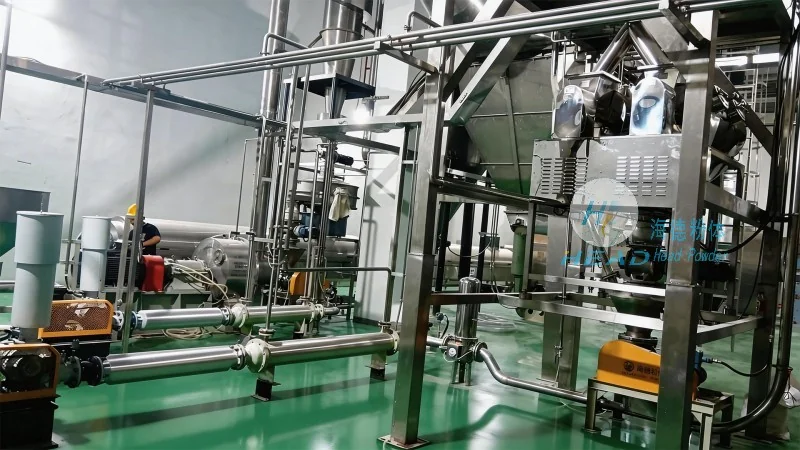
Introduction to Small Bag Dust-Free Feeding Stations
Small bag dust-free feeding stations are specialized equipment used in various industries, including pharmaceuticals, food processing, and chemical manufacturing, to handle powders and granules from sealed bags. The primary goal of these stations is to minimize dust generation during the material transfer process, which is crucial for maintaining a cleanroom or controlled environment. The system typically involves a hopper or a receiving chamber that is connected to a pneumatic conveyor, which uses air to transport the material from the bag to the processing equipment. This approach eliminates the need for manual handling of bulk materials, reducing the risk of contamination and improving operational efficiency.
Key Components of a Small Bag Dust-Free Feeding Station
The effectiveness of a small bag dust-free feeding station for pneumatic conveying relies on several key components that work in harmony to ensure smooth material transfer. These components include:
- Sealed Bag Opening Mechanism: This component is responsible for safely opening the sealed bag without exposing the material to the air, thus preventing dust formation. It may include a cutting blade or a specialized opening tool that is integrated with the feeding station.
- Hopper and Material Container: The hopper serves as the primary storage area for the material as it is transferred from the bag. It is designed to be airtight and equipped with a filter or a dust collection system to maintain a clean environment. The container is typically made of stainless steel or other corrosion-resistant materials to ensure durability and hygiene.
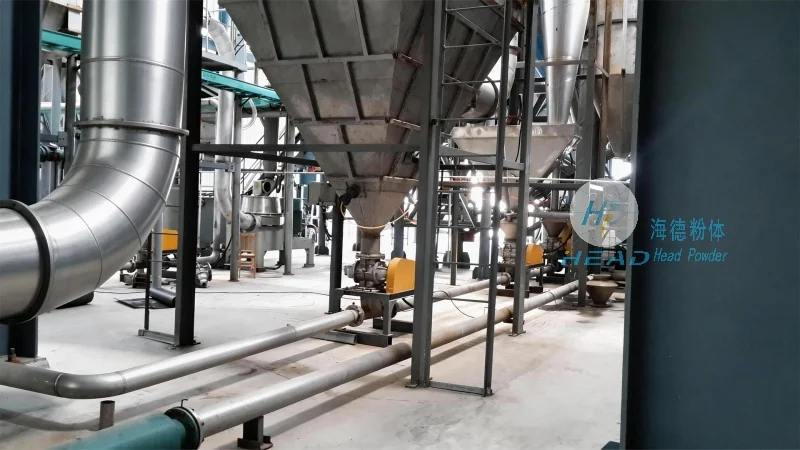
- Pneumatic Conveying System: This is the core of the system, which uses compressed air to transport the material from the hopper to the processing equipment. The system may include a blower, a filter, and a control valve to regulate the airflow and material flow. The choice of conveying method (e.g., positive or negative pressure) depends on the material properties and the distance to be covered.
- Dust Collection and Filtration: To maintain a dust-free environment, the system incorporates a dust collection and filtration system. This typically includes a filter that captures any airborne particles and returns clean air back to the environment. The collected dust is then disposed of properly, ensuring compliance with environmental regulations.
- Control System and Safety Features: Modern small bag dust-free feeding stations are equipped with advanced control systems that allow for precise control of the material flow and air pressure. Safety features such as interlocks and emergency stop buttons are also included to prevent accidents and ensure operator safety.
Design Principles of Small Bag Dust-Free Feeding Stations
The design of a small bag dust-free feeding station for pneumatic conveying is guided by several key principles that ensure optimal performance and efficiency. These principles include:
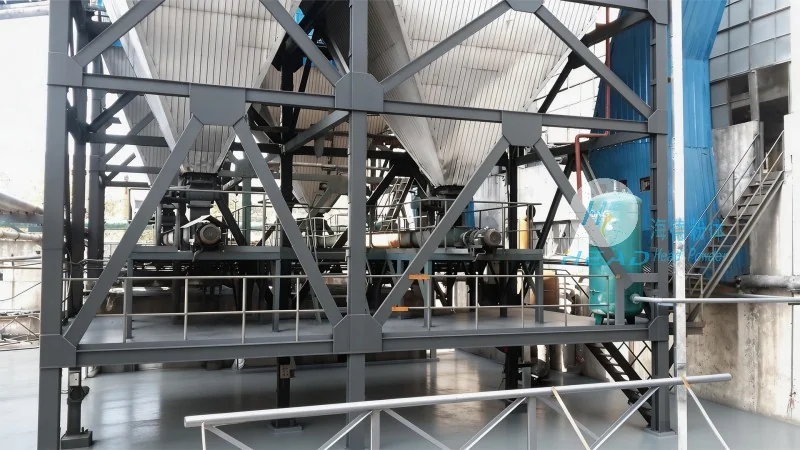
- Minimizing Dust Generation: The primary design principle is to minimize dust generation during the material transfer process. This is achieved through the use of sealed bag opening mechanisms, airtight hoppers, and efficient filtration systems. The design also considers the material's properties, such as its moisture content and particle size, to determine the most suitable conveying method.
- Ensuring Material Integrity: The system is designed to maintain the integrity of the material throughout the transfer process. This includes preventing agglomeration, caking, or degradation of the material. The use of stainless steel components and proper temperature control helps to preserve the material's quality.
- Optimizing Airflow and Pressure: The design of the pneumatic conveying system is optimized to ensure efficient material transport with minimal energy consumption. The choice of blower type, air pressure, and conveying line diameter is critical to achieving the desired material flow rate while maintaining a stable system.
- Compliance with Regulations: The design of the system adheres to relevant health, safety, and environmental regulations. This includes compliance with dust control standards, material handling guidelines, and equipment safety certifications. The system is also designed to be easy to clean and maintain, ensuring long-term compliance.
Applications and Benefits of Small Bag Dust-Free Feeding Stations
Small bag dust-free feeding stations with pneumatic conveying systems are widely used in various industries due to their numerous benefits. These include:
- Improved Safety and Hygiene: By eliminating manual handling of bulk materials, the system reduces the risk of dust exposure and contamination, improving the overall safety and hygiene of the workplace.
- Increased Efficiency and Productivity: The automated material transfer process reduces labor costs and increases production efficiency. The system can handle multiple bags simultaneously, allowing for continuous operation.
- Reduced Waste and Environmental Impact: The dust-free design minimizes material loss and reduces the environmental impact of the operation. The collected dust can be disposed of properly, ensuring compliance with environmental regulations.
- Flexibility and Adaptability: The system can be customized to handle a wide range of materials, from fine powders to coarse granules. It can also be integrated with existing processing equipment, making it a versatile solution for various industrial applications.
Conclusion
Small bag dust-free feeding stations for pneumatic conveying are an essential component of modern industrial material handling systems. By combining advanced design principles with efficient pneumatic conveying technology, these systems provide a reliable and safe solution for handling bulk materials while maintaining a clean and controlled environment. The key to their success lies in the integration of various components, including sealed bag opening mechanisms, airtight hoppers, and efficient filtration systems, all working together to ensure optimal performance. As industries continue to prioritize safety, efficiency, and environmental compliance, the demand for such systems is expected to grow, making them a critical investment for any operation that handles bulk materials.




