For industrial applications involving the handling and transportation of rubber granules, understanding the operation process and working principle of specialized material handling systems is crucial. These systems are designed to efficiently move rubber granules from one location to another within a production facility or between different stages of processing. The following sections outline the key components, operational steps, and underlying principles that govern the effective functioning of rubber granule material handling systems.
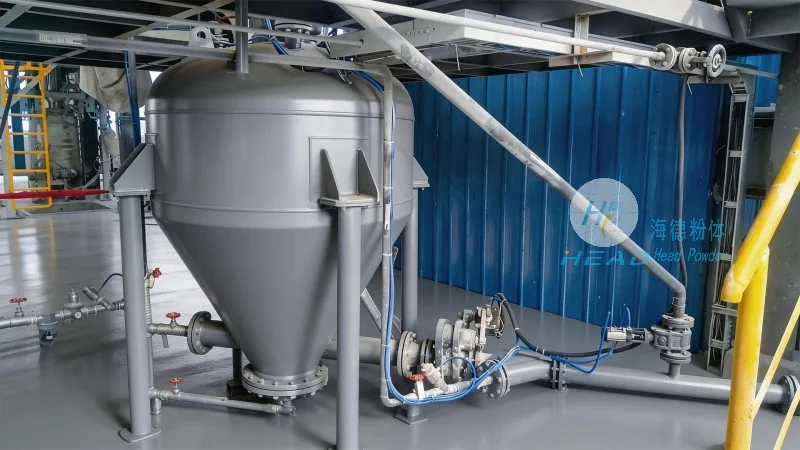
Introduction to Rubber Granule Material Handling Systems
Rubber granules are commonly used in various industries, including sports surfaces, flooring, and construction materials. The efficient transportation of these granules is essential to maintain production efficiency and ensure product quality. Rubber granule material handling systems typically consist of several interconnected components, such as feeders, conveyors, control systems, and storage units. Each component plays a vital role in the overall operation, working in harmony to achieve seamless material movement.
Key Components of Rubber Granule Material Handling Systems
The core components of a rubber granule material handling system include:
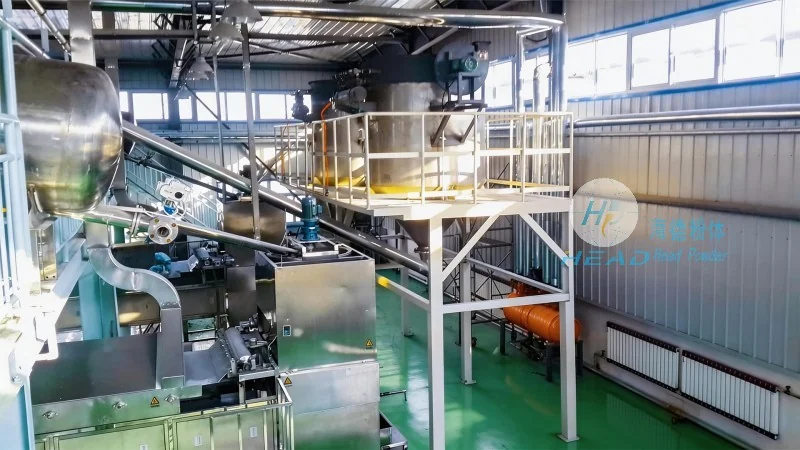
- Feeding Mechanism: This component is responsible for feeding rubber granules into the system. It may involve hoppers, vibratory feeders, or other devices that ensure a consistent and controlled flow of material.
- Conveyor System: The conveyor is the primary means of transporting rubber granules. Options include belt conveyors, screw conveyors, or pneumatic conveyors, each suited to different operational requirements and material characteristics.
- Control System: An automated control system monitors and regulates the operation of the entire system. This includes sensors for level detection, speed control, and safety interlocks to prevent accidents or material blockages.
- Storage and Discharge Units: These components are used for temporary storage or final discharge of the rubber granules. Hoppers or silos may be employed to store excess material, while discharge mechanisms ensure smooth release to the next processing stage.
Operation Process of Rubber Granule Material Handling Systems
The operation process of a rubber granule material handling system typically follows a sequential workflow:
- Material Feeding: Rubber granules are fed into the system from a storage hopper or raw material container. The feeding mechanism ensures a steady flow, preventing overloading or underfeeding.
- Initial Conveyance: The granules are then transported by the conveyor system from the feeding point to the processing or storage area. The speed and direction of the conveyor are controlled to match the production rate.
- Control and Monitoring: The control system continuously monitors key parameters, such as material level, conveyor speed, and system pressure. Sensors provide real-time data, allowing for immediate adjustments if any deviations occur.
- Storage or Discharge: Depending on the system configuration, the rubber granules may be directed to a storage silo for later use or directly to the next processing stage. The discharge mechanism ensures that the material is released smoothly without causing blockages or spills.
- System Shutdown and Maintenance: At the end of the operational cycle, the system is shut down in a controlled manner. Routine maintenance checks are performed to ensure all components are in good working condition and to address any potential issues before resuming operation.
Working Principle of Rubber Granule Material Handling Systems
The working principle of rubber granule material handling systems is based on the principles of material flow and mechanical transport. The system operates by converting the potential energy of the rubber granules (stored in the hopper) into kinetic energy through the feeding mechanism. The conveyor then transfers this kinetic energy to move the granules along the designated path. The control system ensures that the entire process is synchronized, maintaining optimal flow rates and preventing system inefficiencies.
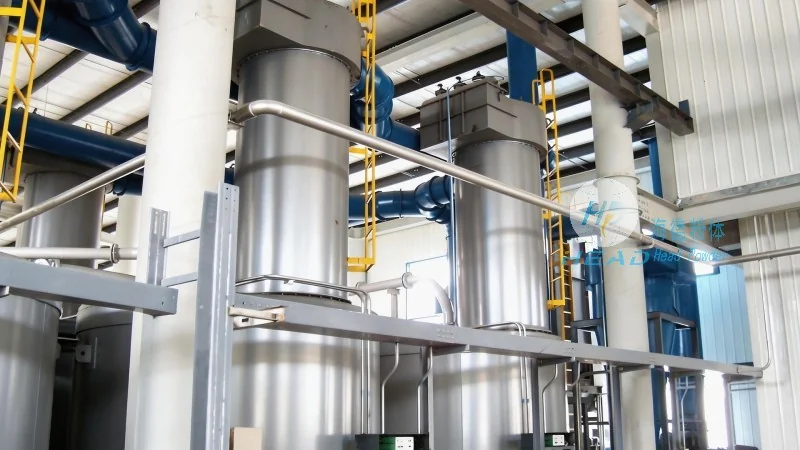
Key principles include:
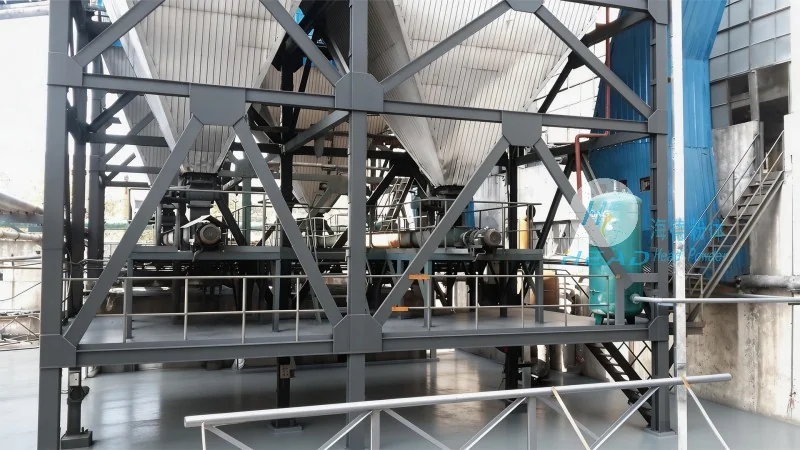
- Consistent Material Flow: Maintaining a uniform flow of rubber granules is critical to avoid clogging or uneven distribution. This is achieved through proper feeder design and control of conveyor speed.
- Efficient Energy Utilization: The system is designed to minimize energy consumption while maximizing material throughput. This involves optimizing the conveyor design, reducing friction, and using energy-efficient motors.
- Safety and Reliability: The working principle incorporates safety features, such as emergency stop buttons and overload protection, to prevent accidents and ensure system reliability. Regular maintenance and monitoring are integral to maintaining these safety standards.
Application and Benefits of Rubber Granule Material Handling Systems
Rubber granule material handling systems are widely used in industries where rubber granules are a key raw material. The benefits of these systems include improved production efficiency, reduced labor costs, enhanced product quality, and increased safety in the workplace. By automating the material handling process, companies can achieve higher throughput and better control over their operations.
Conclusion
In summary, rubber granule material handling systems are sophisticated equipment designed to efficiently transport rubber granules through a series of interconnected components. The operation process involves feeding, conveying, controlling, and storing or discharging the material, while the working principle is based on mechanical transport and consistent material flow. Companies like Shandong HeadPowder Engineering Co., Ltd., based in China, specialize in providing such systems to meet the diverse needs of industrial applications. Their expertise ensures that these systems are tailored to specific operational requirements, delivering reliable and efficient material handling solutions.




