HeadPowder, a leading manufacturer headquartered in Shandong, China, specializes in the design and production of advanced pneumatic conveying equipment tailored for the handling of rice and flour powders. This article provides a detailed overview of the operation process and working principle of such systems, highlighting their efficiency, reliability, and application in modern food processing industries. By understanding these systems, users can better appreciate their functionality and benefits in maintaining product quality and operational efficiency.
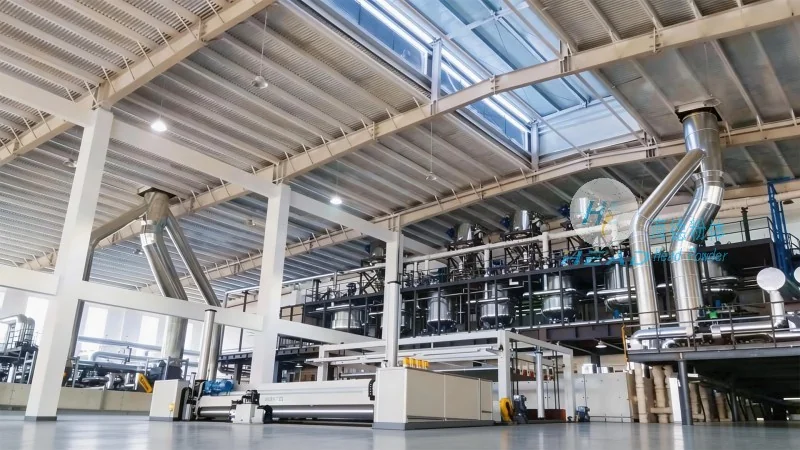
Working Principle of Pneumatic Conveying Equipment
The core of pneumatic conveying for rice and flour powders lies in the transfer of solid particles through a gas stream, typically air. The system operates by creating a pressure differential between the inlet and outlet of the conveying line. In a positive pressure system, air is forced into the material to be conveyed, while in a negative pressure system, air is drawn out from the system. For rice and flour, which are light and fine powders, positive pressure systems are commonly used due to their ability to handle delicate materials without causing degradation or segregation. The process involves feeding the powder into a hopper, where it is then drawn into a venturi or a rotary valve and mixed with the air stream. The mixture is then propelled through the pipeline to the destination point, such as a silo or a processing unit. The design of the system, including the type of air nozzle, the velocity of the air, and the size of the pipeline, is critical in ensuring optimal conveying performance and minimizing product loss or degradation.
Step-by-Step Operation Process
The operation of a rice and flour pneumatic conveying machine follows a systematic sequence to ensure smooth and reliable material transfer. The process begins with the preparation phase, where the raw rice or flour is loaded into the hopper. The hopper is equipped with a feeding mechanism, such as a screw feeder or a rotary valve, which controls the flow rate of the material into the conveying line. Once the material is ready, the system is activated by starting the air compressor or the vacuum pump, depending on the system type. The air is then introduced into the system, creating the necessary pressure or vacuum to initiate the conveying process. As the material is drawn into the pipeline, it is mixed with the air and transported to the target location. The receiving hopper or silo is positioned to collect the conveyed material, and the system continues to operate until the desired quantity is reached. The shutdown process involves stopping the air supply and allowing the material to settle in the pipeline before the system is fully turned off. Proper maintenance and monitoring of the system are essential to ensure consistent performance and to prevent issues such as blockages or air leaks.
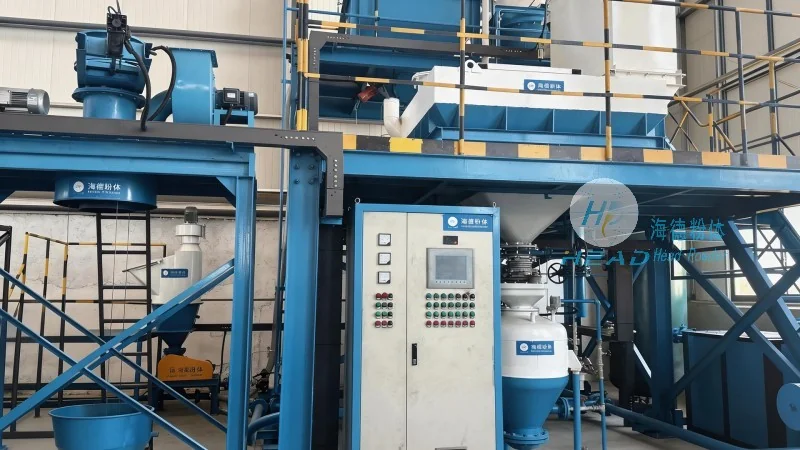
Key Components and Their Functions
Several key components work together to enable the efficient operation of pneumatic conveying equipment for rice and flour. The hopper serves as the storage and feeding unit, providing a controlled environment for the material. The feeding mechanism, such as a rotary valve or a screw feeder, regulates the flow of the powder into the conveying line, preventing overfeeding or underfeeding. The air compressor or vacuum pump generates the necessary air pressure or vacuum to move the material. The venturi or the pipeline itself acts as the conveying medium, with the air velocity and pipeline diameter determining the conveying capacity. The receiving hopper collects the material at the end of the line, and the system may include additional components like filters or cyclones to separate the air from the powder and prevent dust contamination. Each component plays a critical role in maintaining the system's efficiency and ensuring the quality of the conveyed material.
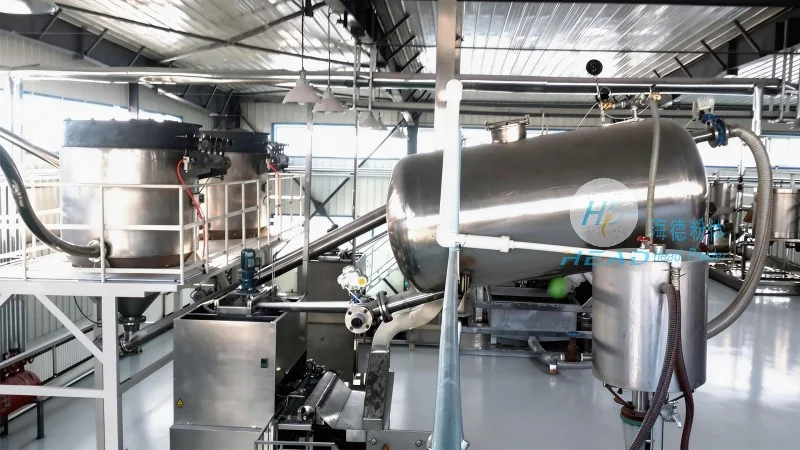
Benefits and Applications in the Food Industry
Pneumatic conveying systems for rice and flour offer numerous advantages in the food processing industry. They provide a hygienic and dust-free method of material handling, which is crucial for maintaining product quality and compliance with food safety regulations. The systems are also flexible, allowing for easy integration into existing production lines and the ability to transport materials over long distances without the need for intermediate storage. Additionally, they reduce the risk of product contamination and degradation compared to traditional methods like bucket elevators or belt conveyors. The equipment is widely used in rice mills, flour mills, and other food processing facilities to transport raw materials, intermediate products, and finished goods. The efficiency and reliability of these systems contribute to increased productivity and reduced operational costs for food manufacturers.
Conclusion and Company Overview
In conclusion, pneumatic conveying equipment for rice and flour is a vital component in modern food processing operations, offering efficient, hygienic, and reliable material handling solutions. The operation process, which involves feeding, air introduction, and material transport, is designed to optimize performance while minimizing product loss and degradation. HeadPowder Engineering Co., Ltd., based in Shandong, China, is a leading manufacturer of such equipment, providing high-quality solutions tailored to the specific needs of the rice and flour industries. With a focus on innovation and customer satisfaction, HeadPowder continues to advance the technology of pneumatic conveying, ensuring that food processing facilities can operate at peak efficiency and maintain the highest standards of product quality.




