HeadPowder, a leading engineering company based in Shandong, China, specializes in the design and implementation of efficient pneumatic conveying systems for handling desulfurization and dust removal ash materials. This article provides a detailed overview of the operation process and working principles behind such systems, highlighting the key components, operational steps, and technical aspects that ensure reliable material transport in industrial applications.
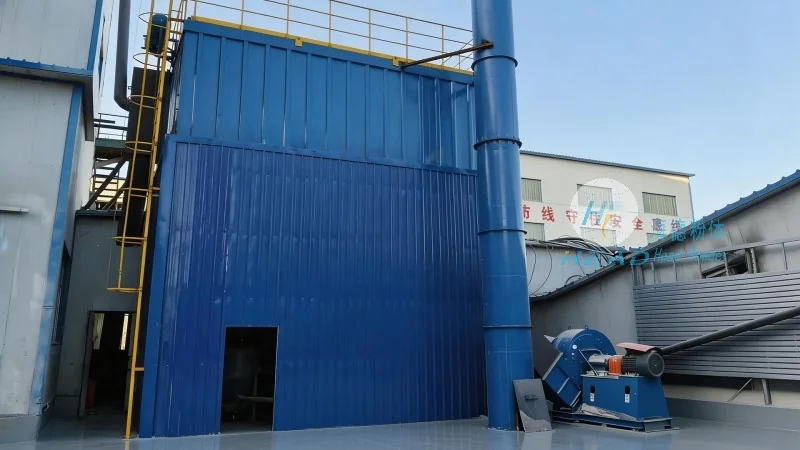
Key Components of Pneumatic Conveying Systems
The pneumatic conveying system for desulfurization and dust removal ash materials typically consists of several critical components that work in tandem to facilitate material transport. These components include the ash storage hopper, the air supply system (such as a blower or compressor), the conveying pipeline, the control valves, and the discharge equipment. Each component plays a vital role in the overall functionality of the system, ensuring that ash materials are moved safely and efficiently from the source to the destination.
Working Principle of Pneumatic Conveying
The core working principle of pneumatic conveying involves the use of compressed air to create a flow that transports solid particles through a pipeline. In the context of desulfurization and dust removal ash, the process begins with the ash being discharged from the storage hopper into the conveying line. The air supply system then generates a high-pressure airflow, which entrains the ash particles and propels them through the pipeline to the discharge point. The velocity of the air and the particle size distribution are critical factors that determine the efficiency and effectiveness of the conveying process. Proper design of the system ensures that the air velocity is sufficient to maintain particle suspension and prevent blockages or deposition in the pipeline.
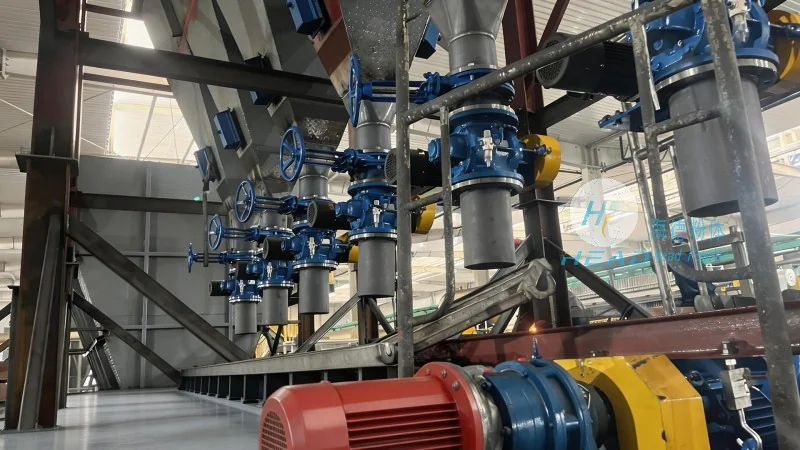
Operation Process of the System
The operation process of a pneumatic conveying system for ash materials involves several sequential steps. First, the ash is collected from the desulfurization and dust removal equipment and stored in a hopper. The hopper is equipped with a feeder that controls the flow rate of the ash into the conveying line. Next, the air supply system is activated, and compressed air is introduced into the pipeline. The feeder then releases the ash into the pipeline, where it is carried by the air flow to the discharge point, such as a storage silo or a disposal site. The system is designed to maintain a consistent air pressure and flow rate to ensure smooth and continuous operation. Control valves are used to regulate the air flow and ash discharge, allowing for adjustments based on operational needs. The entire process is automated to minimize human intervention and enhance operational efficiency.
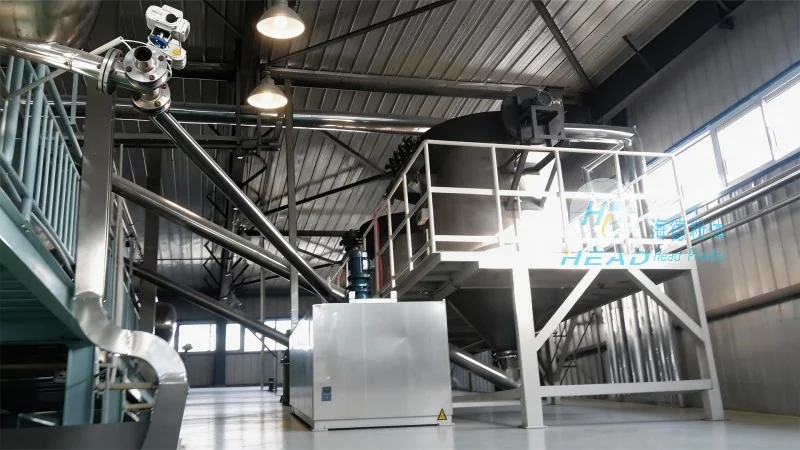
Advantages of Pneumatic Conveying for Ash Materials
Pneumatic conveying offers several advantages over traditional mechanical conveying methods for handling desulfurization and dust removal ash. These advantages include reduced risk of dust contamination, as the system operates in a closed environment, preventing ash particles from being released into the atmosphere. Additionally, pneumatic conveying systems are capable of transporting ash over long distances with minimal energy consumption compared to other methods. The closed pipeline design also helps in maintaining the quality of the ash, as it is protected from moisture and other environmental factors. Furthermore, the system is flexible and can be easily integrated with existing industrial infrastructure, making it a cost-effective solution for ash handling applications.
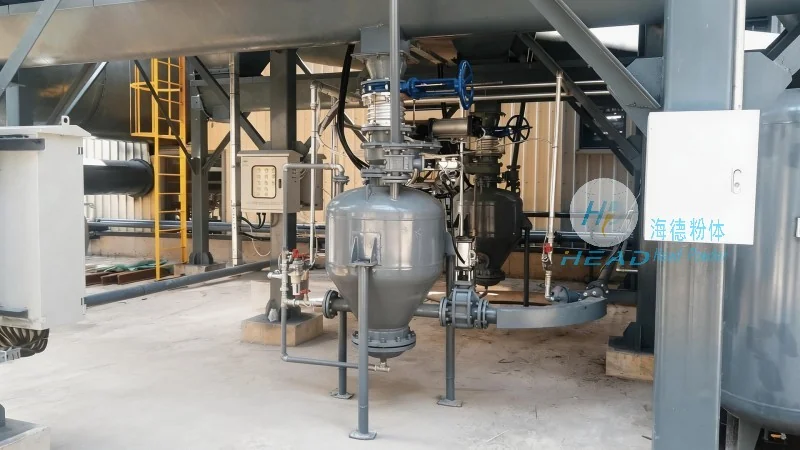
Technical Considerations and Design Factors
When designing a pneumatic conveying system for desulfurization and dust removal ash, several technical considerations must be taken into account. The particle size and density of the ash are crucial factors that influence the system design. Larger or denser particles may require higher air velocities and more robust equipment to ensure effective transport. The pipeline diameter and length also play a significant role in determining the system's performance. The material of construction for the pipeline and components is another important consideration, as ash materials can be abrasive and corrosive, requiring materials such as stainless steel or special coatings to prevent wear and degradation. HeadPowder's engineering expertise ensures that these factors are carefully evaluated and optimized to deliver a reliable and efficient conveying system.
Conclusion
HeadPowder Engineering Co., Ltd., based in Shandong, China, provides comprehensive solutions for pneumatic conveying systems used in the handling of desulfurization and dust removal ash materials. By understanding the operation process and working principles of such systems, industrial facilities can achieve efficient, safe, and cost-effective transport of ash materials. The company's expertise in engineering and system design ensures that clients receive tailored solutions that meet their specific operational requirements, contributing to improved productivity and environmental compliance in industrial applications.




