High-quality kaolin powder is widely used in various industries, including ceramics, paper, and coatings, due to its excellent whiteness, plasticity, and chemical stability. The efficient and reliable transportation of kaolin powder is crucial for industrial production processes. Pneumatic conveying technology offers a solution by using air as the conveying medium to transport powder materials, providing advantages such as low energy consumption, minimal dust generation, and flexible system design. This article will explore the operation process and working principle of pneumatic conveying for kaolin powder, highlighting key components, operational steps, and the technical advantages of this method.
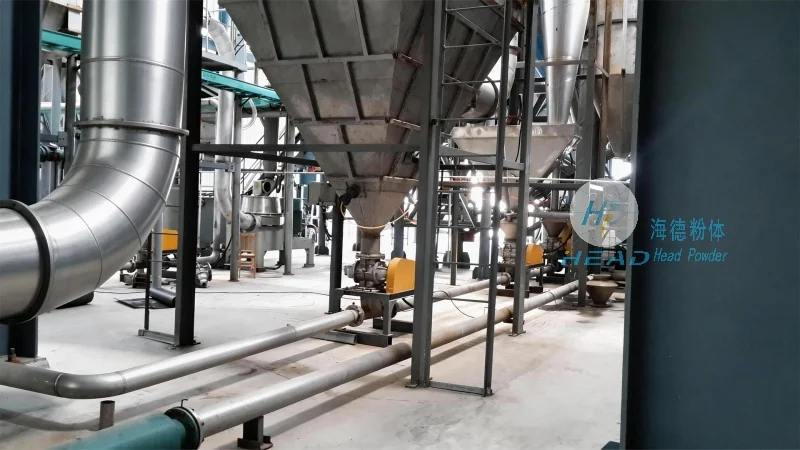
Key Components of Pneumatic Conveying Systems for Kaolin Powder
Pneumatic conveying systems for kaolin powder typically consist of several essential components that work together to ensure smooth material transport. The main components include a material hopper or feeder, a conveying line (often with bends and filters), a dust collector or cyclone separator, and a blower or air compressor. The material hopper is designed to store and feed the kaolin powder into the system at a controlled rate, preventing blockages and ensuring consistent flow. The conveying line, usually made of metal or plastic, is responsible for transporting the powder particles suspended in the air stream. Bends and elbows are strategically placed to guide the material through the system while minimizing pressure loss. The dust collector or cyclone separator is critical for capturing and separating the powder from the air, preventing dust emissions and maintaining air quality. Finally, the blower or air compressor provides the necessary air pressure and flow rate to move the powder through the system. Each component plays a vital role in the overall efficiency and performance of the pneumatic conveying system.
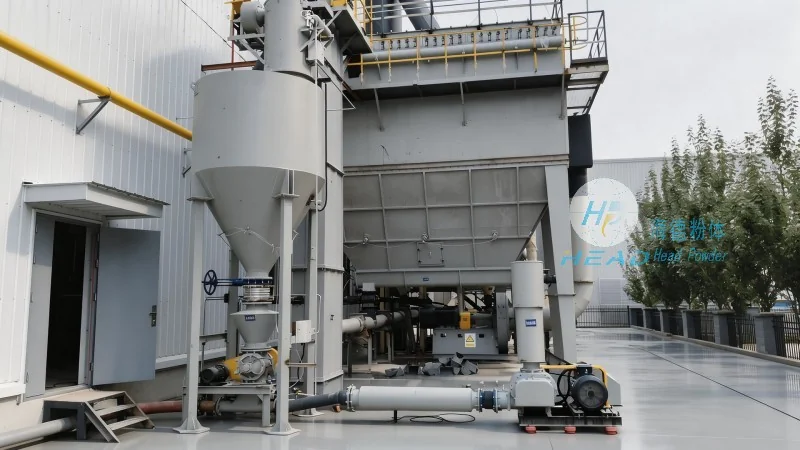
The Operation Process of Kaolin Powder Pneumatic Conveying
The operation process of pneumatic conveying for kaolin powder involves several sequential steps that ensure the material is transported from the source to the destination efficiently. The process begins with the loading of kaolin powder into the material hopper. The feeder then regulates the flow of powder into the conveying line, ensuring a consistent feed rate. The blower or air compressor generates the air pressure, which is introduced into the conveying line. As the air flows through the line, it picks up the kaolin powder particles, creating a suspension of powder in air. The mixture travels through the bends and filters, with the dust collector capturing the powder particles and returning them to the system or storing them for later use. The clean air is then discharged from the system, completing the cycle. This process is typically automated, with sensors and controls monitoring the system's performance and adjusting parameters as needed to maintain optimal operation. The operation process is designed to be continuous, allowing for uninterrupted production and efficient material handling.
Working Principle of Pneumatic Conveying for Kaolin Powder
The working principle of pneumatic conveying for kaolin powder is based on the physical properties of the powder and the behavior of air flow. The system operates by creating a pressure differential between the inlet and outlet of the conveying line. The blower or air compressor supplies high-pressure air, which enters the conveying line and creates a low-pressure environment at the outlet. This pressure difference causes the kaolin powder to be drawn into the air stream and transported through the system. The key to efficient conveying is the proper suspension of the powder particles in the air. The air velocity must be sufficient to overcome the gravitational force acting on the powder particles and maintain them in suspension. The size, density, and moisture content of the kaolin powder affect the required air velocity and pressure. For fine powders like kaolin, which have a high surface area and low bulk density, higher air velocities are often needed to ensure stable suspension. The system's design, including the diameter of the conveying line and the number of bends, also influences the conveying efficiency. Proper design and maintenance of the system are essential to achieve optimal performance and minimize energy consumption. The working principle relies on the interaction between the air flow and the powder particles, creating a dynamic system that can handle varying material loads and conditions.
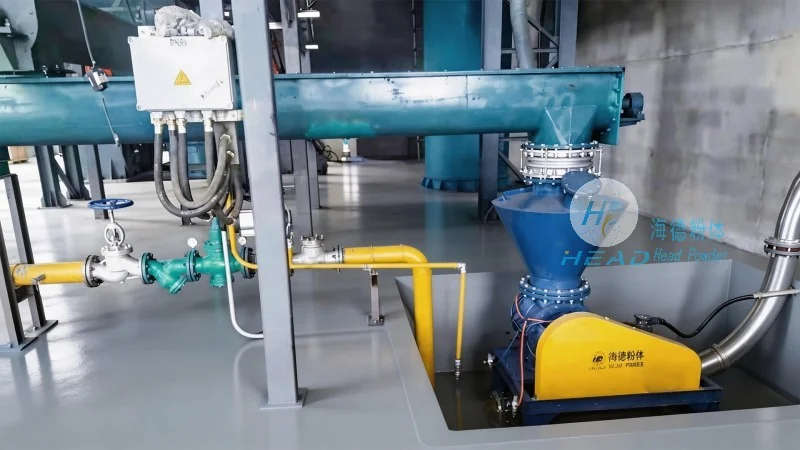
About Shandong HeadPowder Engineering Co., Ltd.
Shandong HeadPowder Engineering Co., Ltd., operating under the brand name headpowder, is a leading manufacturer and supplier of pneumatic conveying systems and related equipment for industrial applications. With a focus on innovation and quality, the company specializes in designing and manufacturing customized solutions for the transportation of various powder materials, including kaolin powder. Headpowder's expertise lies in developing efficient and reliable systems that meet the specific requirements of different industries, ensuring high performance and low maintenance costs. The company's facilities are located in Shandong, China, where it leverages advanced technology and skilled personnel to produce top-tier pneumatic conveying equipment. Headpowder is committed to providing comprehensive support to its clients, from system design and installation to after-sales service and technical support. By combining years of industry experience with cutting-edge technology, headpowder delivers solutions that enhance productivity and improve operational efficiency for its customers. The company's dedication to quality and customer satisfaction has established it as a trusted partner in the field of powder handling and conveying technology.




