Intermittent bulk material pneumatic conveying systems are critical in modern industrial operations, offering efficient and flexible solutions for transporting dry, powdery, or granular materials. This article provides a detailed overview of the operation process and working principles of such systems, highlighting their key components, operational steps, and the underlying technology that enables reliable material transport.
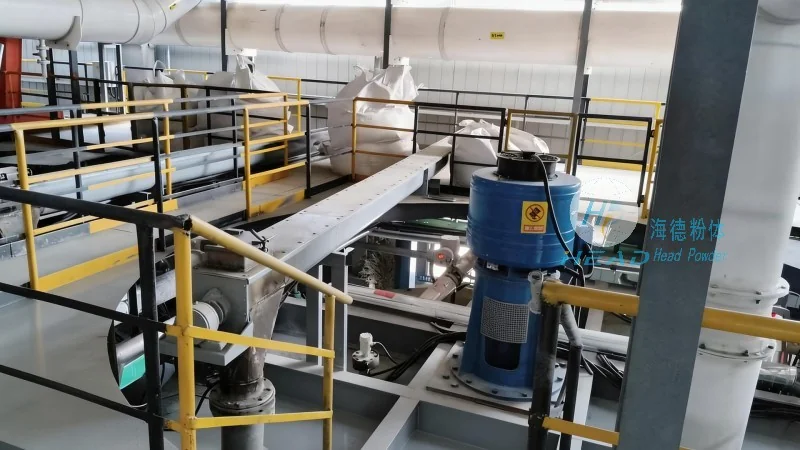
Overview of Intermittent Pneumatic Conveying Systems
Intermittent pneumatic conveying systems are designed to transport bulk materials in a discontinuous manner, typically using compressed air or other gases as the driving force. Unlike continuous systems, these systems operate in cycles, moving material in discrete batches. The core components of an intermittent system include a hopper for material storage, a conveying line (usually a pipe), a compressor to generate the air pressure, a control system for operation, and a discharge point for the material. The system is engineered to handle a wide range of materials, from fine powders to coarse granules, with varying flow rates and distances.
Key Components and Their Functions
Each component plays a vital role in the system's performance. The material hopper ensures a consistent feed of the bulk material, preventing blockages and maintaining a steady supply. The conveying line, often made of stainless steel or other corrosion-resistant materials, is designed to withstand the pressure and abrasive nature of the material being transported. The compressor generates the necessary air pressure, which is regulated by the control system to optimize energy consumption and material flow. The control system manages the start and stop of the conveying cycle, ensuring precise control over the material discharge. Finally, the discharge point allows the material to be released into the target container or process, completing the transport cycle.
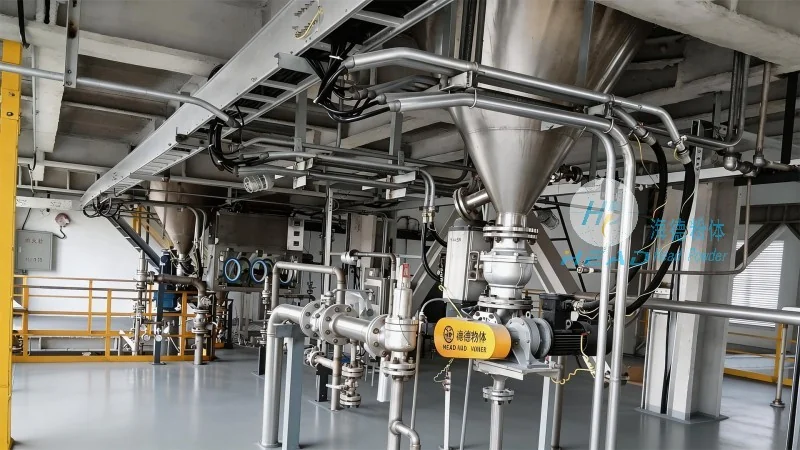
Operation Process: Step-by-Step Guide
The operation of an intermittent pneumatic conveying system follows a systematic sequence of steps. First, the material is loaded into the hopper, ensuring it is properly positioned and free from obstructions. The control system then initiates the conveying cycle by activating the compressor, which generates the air pressure needed to move the material. As the air pressure builds, the material is drawn from the hopper and carried through the conveying line by the air flow. The material travels in a slurry-like state, with the air providing the necessary momentum to overcome friction and gravity. Once the material reaches the discharge point, the control system signals the compressor to stop, and the material is released into the receiving container. The system then returns to the idle state, ready for the next cycle.
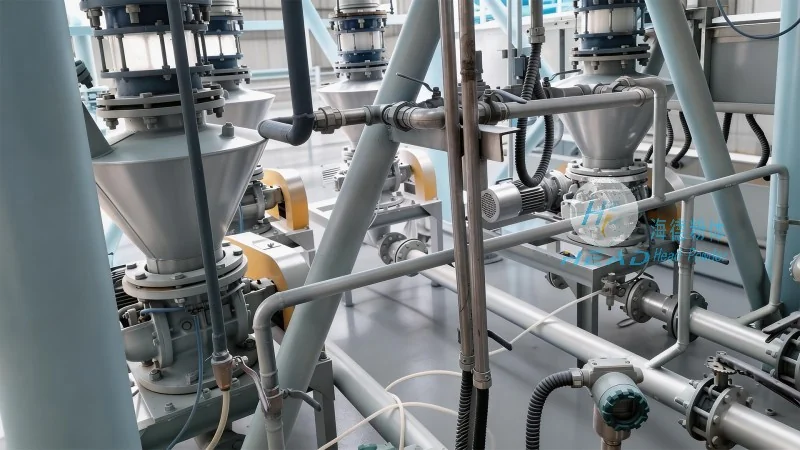
Working Principle: The Physics Behind the Process
The working principle of intermittent pneumatic conveying is based on the interaction between the material particles and the air flow. The system operates on the principle of fluidization, where the material is suspended in the air stream, allowing it to be transported as a fluid. The key factors influencing the conveying process include the air velocity, pressure, and the properties of the material (such as particle size, density, and moisture content). The air velocity must be sufficient to keep the material particles suspended and prevent them from settling or clogging the line. The pressure is regulated to maintain a stable flow, while the control system ensures that the material is transported in discrete batches without excessive pressure or energy loss.
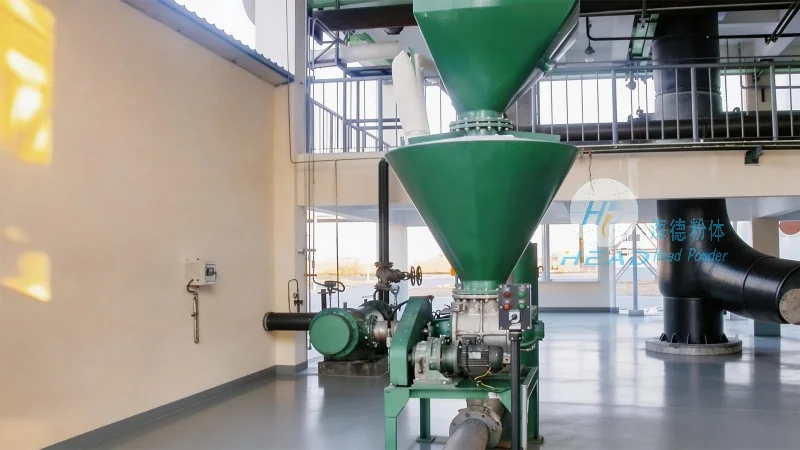
Advantages of Intermittent Pneumatic Conveying Systems
Intermittent pneumatic conveying systems offer several advantages over other material transport methods. They are highly flexible, allowing for easy adjustment of flow rates and distances. The system can handle a wide variety of materials, including those that are abrasive, corrosive, or sensitive to moisture. Additionally, the system is compact and can be installed in various industrial settings, making it suitable for both new and retrofit applications. The intermittent operation also reduces energy consumption compared to continuous systems, as the compressor only operates during the conveying cycle. Furthermore, the system provides better control over material handling, minimizing the risk of contamination and ensuring consistent product quality.
About Shandong HeadPowder Engineering Co., Ltd.
Shandong HeadPowder Engineering Co., Ltd., commonly known as headpowder, is a leading manufacturer and supplier of pneumatic conveying systems and related industrial equipment. With a strong focus on innovation and quality, the company has established itself as a trusted partner in the bulk material handling industry. Headpowder's products are designed to meet the specific needs of various industries, including pharmaceuticals, food processing, chemicals, and mining. The company's commitment to customer satisfaction and technical excellence has earned it a reputation for delivering reliable and efficient solutions. Headpowder's headquarters is located in Shandong, China, where the company operates its research and development facilities, manufacturing plants, and customer support centers.




