HeadPowder, a leading engineering firm based in Shandong, China, specializes in the design, manufacturing, and installation of advanced pneumatic conveying systems tailored for soybean material handling. This article provides a detailed overview of the operational process and working principles of such systems, highlighting their efficiency, reliability, and application in modern agricultural and food processing industries.
Understanding Pneumatic Conveying Systems for Soybean Material Handling
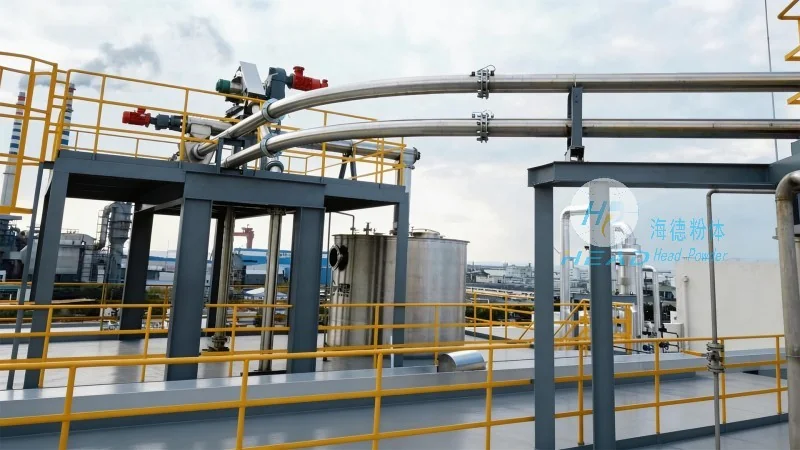
Pneumatic conveying systems are essential for the efficient transport of bulk materials like soybeans from one location to another within processing facilities. These systems utilize air pressure to move materials through a network of pipes, eliminating the need for mechanical components such as belts or buckets, which can be prone to wear and maintenance issues. The technology offers significant advantages in terms of hygiene, speed, and flexibility, making it a preferred choice for industries where material purity and process speed are critical.
The Core Components and Their Functions
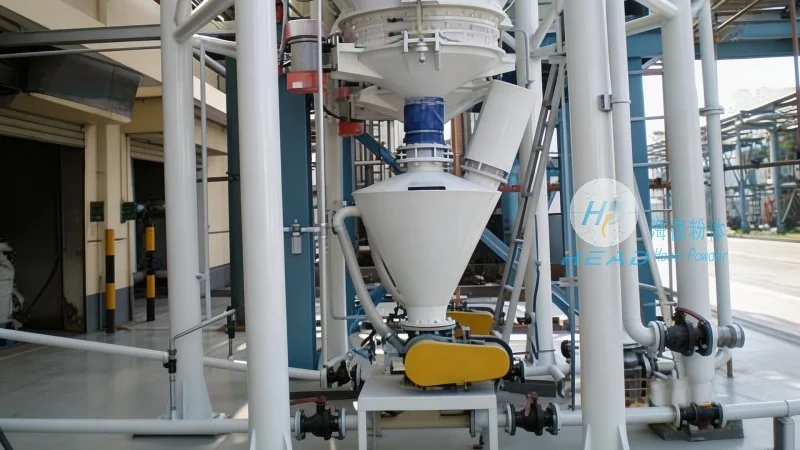
A typical soybean pneumatic conveying system consists of several key components, each playing a vital role in the overall operation. These include the material feed hopper, the air compressor or blower, the conveying line (pipes), the control valves, and the discharge hopper or silo. The feed hopper is designed to store and meter the soybean material into the system, ensuring a consistent flow. The air compressor generates the necessary air pressure to move the material through the pipes. The conveying line, often made of stainless steel or other corrosion-resistant materials, transports the material from the feed point to the discharge point. Control valves regulate the air flow and material movement, allowing for precise control over the conveying process. Finally, the discharge hopper collects the material at the end of the line, ready for further processing or storage.
Operation Process: From Feed to Discharge
The operation of a soybean pneumatic conveying system follows a systematic process that ensures smooth and continuous material transport. The process begins with the material being loaded into the feed hopper. As the system starts, the air compressor increases the air pressure inside the conveying line. The material is then drawn into the line by the moving air, forming a dense or dilute phase flow depending on the system design. The control valves adjust the air pressure and flow rate to maintain optimal conveying conditions, preventing material blockages or excessive air consumption. The material travels through the pipes to the discharge hopper, where it is collected and prepared for the next stage of processing. This process is typically automated, with sensors and control systems monitoring the flow rate, pressure, and material level to ensure consistent performance.
Working Principle: Air Pressure and Material Transport
The working principle of a pneumatic conveying system for soybean material relies on the interaction between air pressure and the material particles. In a dense phase system, the material is conveyed in a solid plug, with air flowing around it. This method is ideal for transporting sensitive materials like soybeans, as it minimizes particle breakage and maintains product integrity. The air pressure is maintained at a level that is sufficient to move the material through the pipes without causing excessive wear or degradation. In a dilute phase system, the material is suspended in the air stream, moving as a fine mist. While faster, this method may be less suitable for soybeans due to the risk of particle separation and increased air consumption. The choice between dense and dilute phase systems depends on the specific application requirements, such as material characteristics, distance to be conveyed, and desired processing speed.
Advantages of Pneumatic Conveying Systems in Soybean Processing
Implementing a pneumatic conveying system for soybean material handling offers numerous benefits that enhance operational efficiency and product quality. One of the primary advantages is the elimination of mechanical contact between the material and the conveying equipment, which reduces the risk of contamination and product degradation. This is particularly important in food processing industries where hygiene standards are stringent. Additionally, pneumatic systems provide faster material transport compared to traditional methods, reducing processing time and increasing overall productivity. The flexibility of these systems allows for easy integration with existing processing lines, enabling manufacturers to adapt to changing production needs without major modifications. Furthermore, the use of air as the conveying medium reduces energy consumption compared to other methods, contributing to cost savings and environmental sustainability.
Applications and Industry Impact
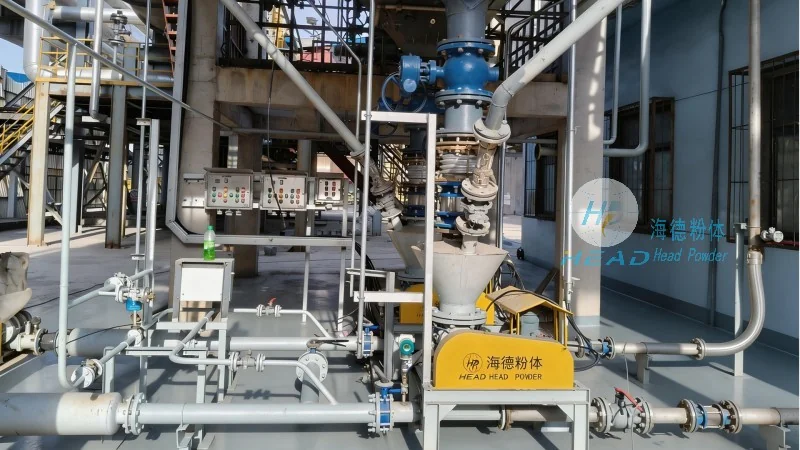
Soybean pneumatic conveying systems are widely used in various stages of soybean processing, from raw material reception to final product packaging. In the agricultural sector, these systems are employed in grain elevators and storage facilities to move soybeans from storage bins to processing plants. In food processing, they are used to transport soybeans to grinding or extrusion machines, where they are converted into products like soy milk, tofu, or soy protein isolates. The systems are also utilized in the production of soybean oil, where they help transport the material to pressing and refining equipment. The consistent and reliable operation of these systems ensures that processing lines run smoothly, minimizing downtime and maximizing output. By improving material handling efficiency, pneumatic conveying systems contribute to the overall competitiveness of soybean processing industries.
Conclusion: The Role of HeadPowder in Advanced Material Handling
HeadPowder Engineering Co., Ltd., with its headquarters in Shandong, China, is a trusted partner in the design and implementation of advanced pneumatic conveying systems for soybean material handling. By leveraging cutting-edge technology and engineering expertise, HeadPowder ensures that its systems meet the highest standards of efficiency, reliability, and hygiene. The company's commitment to quality and customer satisfaction has made it a leading provider in the industry, helping businesses optimize their material handling processes and enhance overall productivity. As the demand for efficient and sustainable processing solutions continues to grow, HeadPowder remains at the forefront of innovation, providing tailored solutions that meet the unique needs of each client.




