HeadPowder, a leading provider in the field of material handling solutions, specializes in the design, manufacturing, and installation of advanced dust-free pneumatic conveying systems. These systems are engineered to efficiently transport bulk materials in industrial settings while maintaining stringent cleanliness standards. The following article delves into the operational process and underlying principles of such systems, highlighting their key components and functional mechanisms.
Overview of Dust-Free Pneumatic Conveying Systems
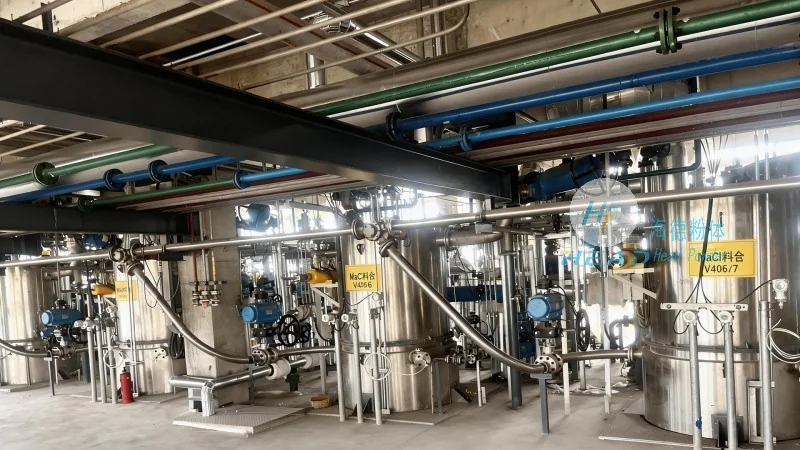
Dust-free pneumatic conveying systems are critical in industries where material contamination and air pollution must be minimized. These systems utilize air or gas to move dry bulk materials from one location to another, ensuring a clean and controlled environment. The core of these systems lies in their ability to handle sensitive materials without compromising quality or safety. HeadPowder's systems are tailored to meet the specific needs of various industries, including pharmaceuticals, food processing, and chemical manufacturing.
Key Components of the System
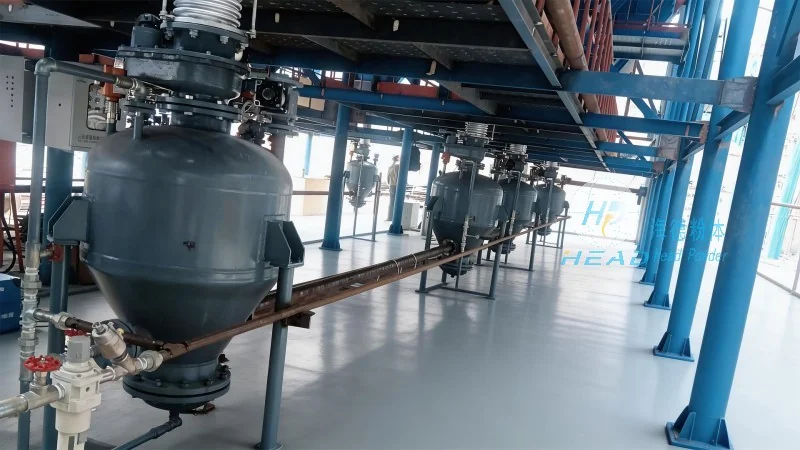
The dust-free material feeding pneumatic conveying system consists of several essential components that work in tandem to achieve efficient material transport. These components include the material hopper, feeder, air compressor, conveying line, and receiver. Each component plays a vital role in the overall operation, ensuring smooth and continuous material flow.
Operation Process: Step-by-Step Explanation
The operation of the dust-free pneumatic conveying system begins with the loading of bulk material into the material hopper. The hopper is designed to store the material and provide a consistent feed to the feeder. The feeder, typically a rotary valve or a screw feeder, regulates the flow of material into the conveying line. Simultaneously, the air compressor generates the necessary pressure and volume of air to create a flow of air within the system. As the material is introduced into the conveying line, it is entrained by the air stream and transported to the receiver. The receiver collects the material and may include a filter to remove any residual dust or particles from the air stream.
Working Principle: How the System Functions
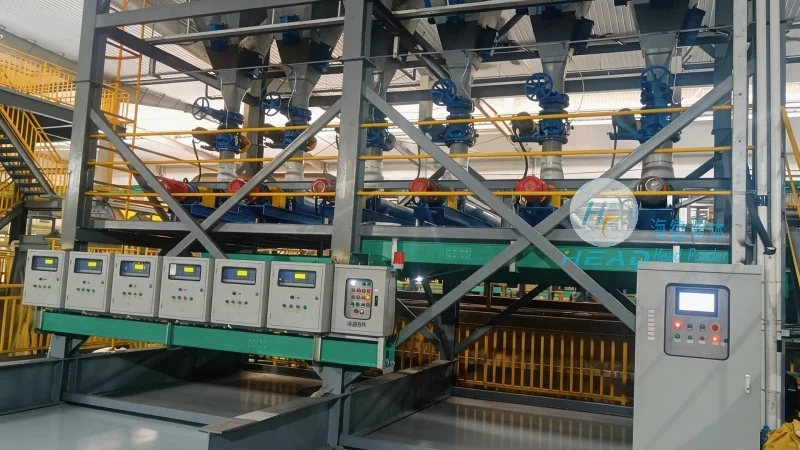
The working principle of the dust-free pneumatic conveying system is based on the principle of fluidization and pneumatic transport. The system uses compressed air to create a high-velocity air stream that carries the material particles through the conveying line. The air velocity is maintained at a level sufficient to keep the material suspended and prevent it from settling or clogging the line. The system's design ensures that the air and material are separated at the receiver, with the material being collected and the air being filtered and discharged. This separation process is crucial for maintaining the cleanliness of the system and preventing material loss or contamination.
Benefits and Applications
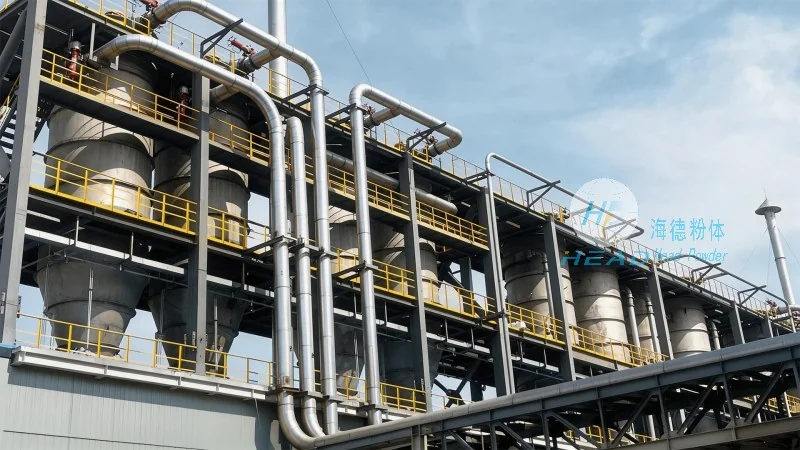
Dust-free pneumatic conveying systems offer numerous benefits, including improved material handling efficiency, reduced labor costs, and enhanced safety in the workplace. These systems are particularly suitable for transporting materials that are sensitive to moisture, heat, or contamination. HeadPowder's systems are widely used in industries such as pharmaceuticals, where product purity is paramount, and in food processing, where hygiene standards are strictly enforced. The systems also contribute to environmental sustainability by minimizing dust emissions and reducing the need for manual handling of bulk materials.
Conclusion
In conclusion, the dust-free material feeding pneumatic conveying system is a sophisticated and efficient solution for bulk material transport in industrial applications. Through its well-designed components and operational principles, the system ensures reliable and clean material handling. HeadPowder, with its expertise and commitment to quality, provides comprehensive solutions that meet the diverse needs of its clients. By understanding the operation process and working principles of these systems, industries can optimize their material handling processes and enhance overall productivity.




