Shandong HeadPowder Engineering Co., Ltd. specializes in the design, manufacturing, and installation of advanced pneumatic conveying systems tailored for handling gelatin materials. With a base in Shandong, China, the company leverages decades of industry experience to deliver efficient and reliable solutions for material transport in various industrial applications.
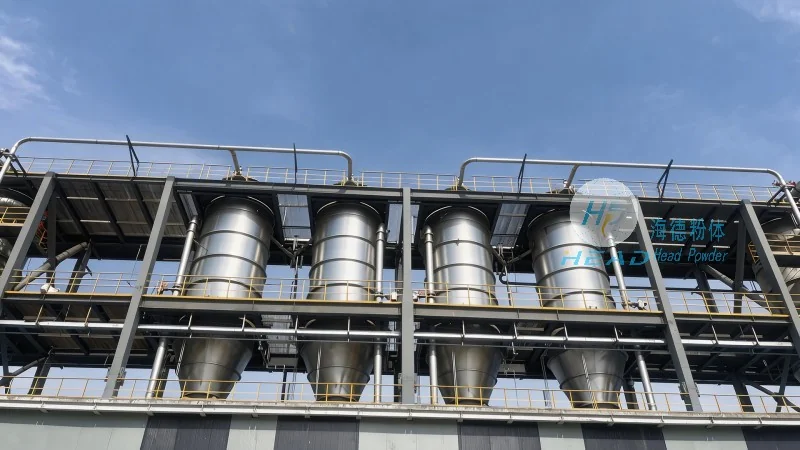
Overview of Gelatin Material Pneumatic Conveying Systems
Gelatin, a versatile protein derived from collagen, is widely used in food, pharmaceutical, and cosmetic industries. Traditional handling methods for gelatin often involve manual or mechanical conveying, which can be labor-intensive and pose challenges related to dust control and material quality. Pneumatic conveying systems offer a more efficient alternative by using compressed air to transport gelatin in a closed system, minimizing contamination and ensuring consistent product quality.
Key Components of the Pneumatic Conveying System
The gelatin pneumatic conveying system typically consists of several critical components that work in tandem to ensure smooth operation. These include:
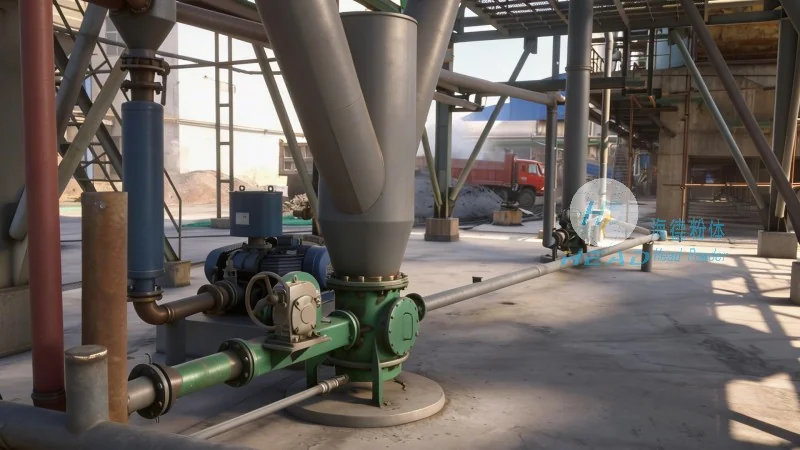
- Feed Hopper: A container that holds the gelatin material and regulates the flow rate into the system.
- Air Supply Unit: Compressors or blower systems that generate the necessary air pressure to move the material through the pipeline.
- Conveying Pipeline: A network of pipes that transports the gelatin from the feed point to the discharge point, often equipped with bends, valves, and filters to maintain system efficiency.
- Separation and Collection Equipment: Devices such as cyclones or bag filters that separate the gelatin from the air stream and collect it in a designated container, preventing dust emissions.
- Control System: Automated controls that monitor and adjust the air pressure, flow rate, and other parameters to optimize system performance and ensure safety.
Operation Process of the Gelatin Pneumatic Conveying System
The operation of the gelatin pneumatic conveying system follows a systematic process, which can be broken down into the following steps:
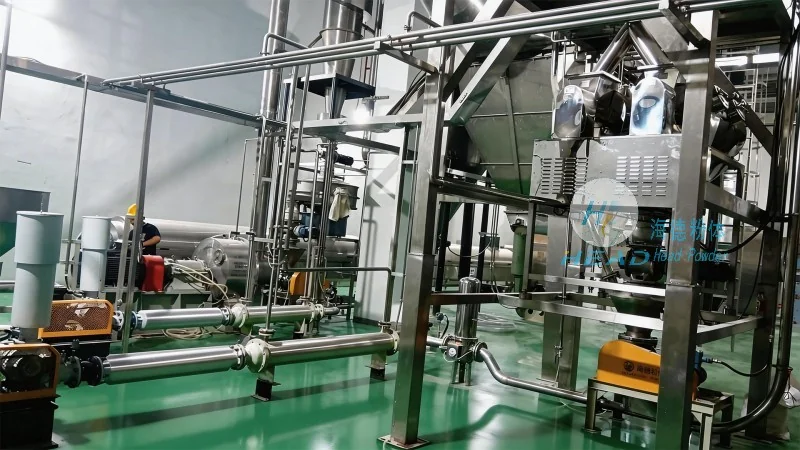
- Material Loading: Gelatin is loaded into the feed hopper from a bulk storage or processing area. The hopper is equipped with a level sensor to detect the material level and trigger the feeding process as needed.
- Air Compression: The air supply unit compresses ambient air to a specified pressure (typically ranging from 0.5 to 1.5 bar depending on the system design and material characteristics).
- Material Injection: The compressed air is introduced into the feed hopper, creating a low-pressure zone that draws the gelatin into the conveying pipeline. The air-gelatin mixture travels through the pipeline at high velocity, ensuring efficient transport.
- Transport and Delivery: The air-gelatin mixture moves through the pipeline to the discharge point, which may be a storage tank, processing unit, or packaging area. The pipeline design, including the use of bends and valves, is optimized to minimize pressure loss and maintain consistent flow.
- Separation and Collection: At the discharge end, the separation equipment separates the gelatin from the air stream. The gelatin is collected in a container, while the air is filtered and either recirculated or vented to the atmosphere.
- System Monitoring and Control: The control system continuously monitors key parameters such as air pressure, flow rate, and material level, adjusting the operation in real-time to maintain optimal performance and prevent system failures.
Working Principle of the Gelatin Pneumatic Conveying System
The working principle of the gelatin pneumatic conveying system is based on the fundamental concept of fluidization and pneumatic transport. When compressed air is introduced into the feed hopper, it creates a pressure differential that causes the gelatin particles to become suspended in the air stream. This suspension allows the material to be transported through the pipeline as a dense or dilute phase, depending on the system design and operating conditions.
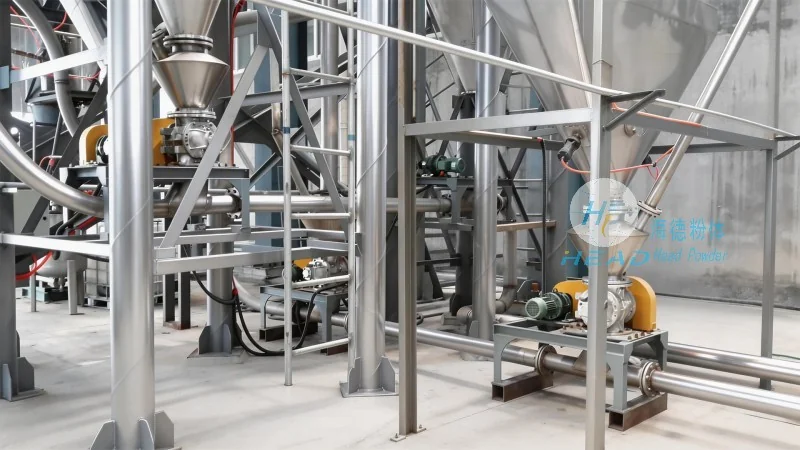
In the dense phase conveying mode, the gelatin particles are carried in a relatively high concentration, resulting in lower air consumption and reduced energy costs. In the dilute phase mode, the material is transported in a more dispersed state, which is suitable for longer distances or when handling fine powders. The system's design, including the selection of air pressure, pipeline diameter, and material feed rate, is critical to achieving the desired conveying efficiency and minimizing material degradation.
Advantages of Using Pneumatic Conveying for Gelatin Handling
Implementing a pneumatic conveying system for gelatin handling offers several advantages over traditional methods. These include:




