The system is designed and manufactured by Shandong HeadPowder Engineering Co., Ltd., a professional enterprise based in Shandong, China. The company specializes in the research, development, and production of pneumatic conveying systems tailored for various industrial applications, including the handling of ammonia fertilizer materials. This article provides an in-depth look at the operation process and working principle of such a system, highlighting its key components, operational stages, and practical applications.
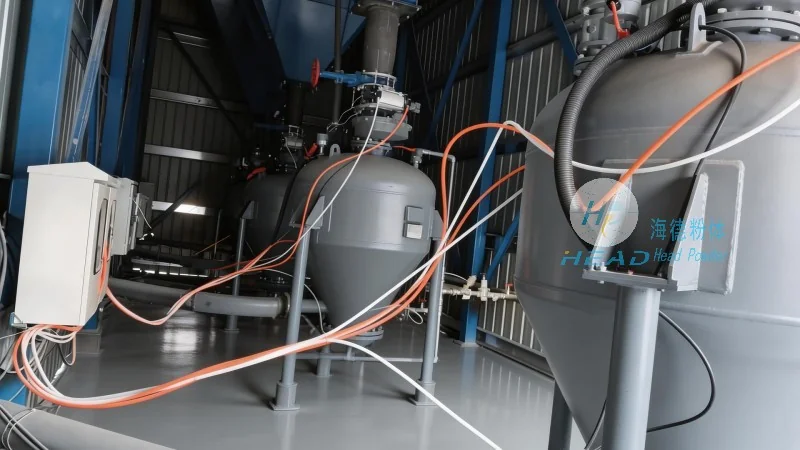
Key Components of the Pneumatic Conveying System
The ammonia fertilizer material pneumatic conveying system consists of several critical components that work in concert to ensure efficient material transport. These include a hopper or storage silo for material storage, a blower or compressor to generate the conveying air, a series of pipes and ducts for material transport, airlocks to control material flow, cyclones or filters for material separation, and a discharge system for delivering the material to its final destination. Each component is engineered to handle the specific properties of ammonia fertilizer, such as its potential moisture content, corrosive nature, and varying particle sizes.
Operation Process: Step-by-Step Overview
The operation process of the system typically begins with material loading. The ammonia fertilizer is fed into the hopper or storage silo, where it accumulates until the system is ready to start conveying. Once the hopper is filled, the blower or compressor is activated, generating high-pressure air that is introduced into the conveying line. The air flows through the pipes, creating a flow that lifts and transports the fertilizer particles from the source to the destination. The material is then discharged from the system at the receiving end, where it may be further processed or packaged.
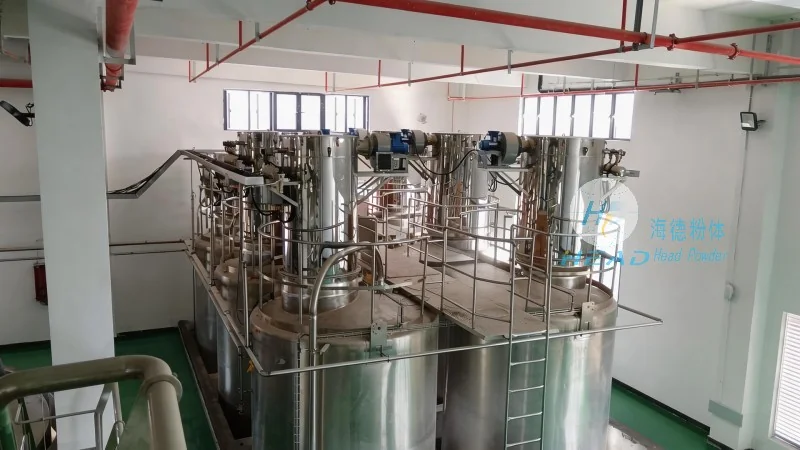
Working Principle: Fluid Dynamics and Particle Transport
The working principle of the pneumatic conveying system is based on the principles of fluid dynamics and particle transport. In positive pressure systems, a blower or compressor generates high-pressure air that is introduced into the conveying line. The air flows through the pipe, creating a flow that lifts and transports the fertilizer particles. The velocity of the air is critical; it must be sufficient to overcome the gravitational force acting on the particles and any frictional losses within the system. The system utilizes a positive pressure method, where the air pressure is maintained above atmospheric pressure throughout the conveying line. This approach ensures consistent material flow and prevents air leakage or backflow.
System Design Considerations for Ammonia Fertilizer
The design of the pneumatic conveying system for ammonia fertilizer takes into account several factors to ensure optimal performance and durability. The system is constructed using materials resistant to corrosion and wear, such as stainless steel or special alloys, to withstand the corrosive nature of ammonia fertilizer. The pipe diameter and length are carefully selected to minimize pressure drop and ensure efficient material transport. Additionally, the system includes adjustable speed controls and pressure monitoring to optimize performance and prevent system failures. The airlocks and cyclones are designed to handle the specific particle size distribution of the fertilizer, ensuring efficient separation of the material from the air.
Applications in Fertilizer Handling Operations
This pneumatic conveying system is widely used in fertilizer production facilities, storage terminals, and distribution centers. It enables the safe and efficient transport of ammonia fertilizer from storage silos to processing units, packaging lines, or loading docks. The system's ability to handle large volumes of material with minimal manual intervention makes it an essential component in modern fertilizer handling operations. It is particularly useful in scenarios where traditional conveyor systems may be impractical due to the material's properties or the need for enclosed transport to prevent dust emissions.
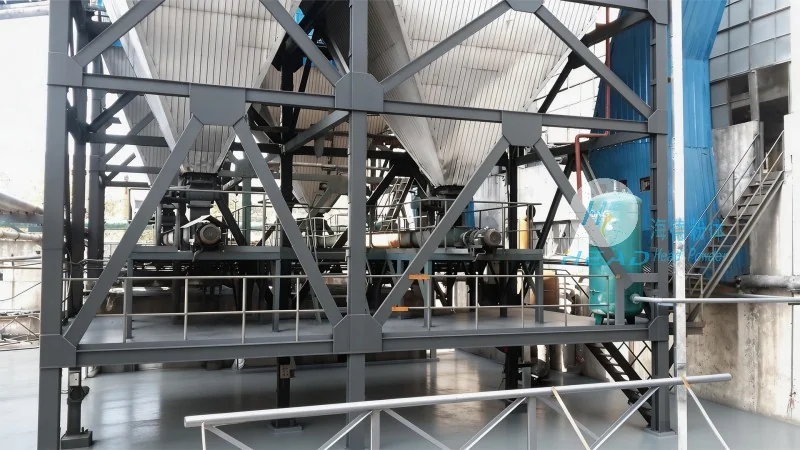
Maintenance and Operational Best Practices
Proper operation and maintenance are crucial for the reliable performance of the pneumatic conveying system. Regular checks of air pressure, filter condition, and material flow rates are recommended to identify and address any issues before they escalate. The system includes safety features such as pressure relief valves and emergency shut-off mechanisms to prevent accidents and protect personnel. Training for operators on the proper use of the system and troubleshooting common issues is also essential for optimal operation. Additionally, periodic cleaning of the system components, such as the hopper and pipes, is necessary to prevent material buildup and ensure consistent performance.
Conclusion: Advantages and Reliability
The ammonia fertilizer material pneumatic conveying system developed by Shandong HeadPowder Engineering Co., Ltd. represents a sophisticated solution for the efficient and safe handling of ammonia fertilizer. By integrating advanced engineering principles and robust construction, the system ensures reliable performance in demanding industrial environments. Its design and operation align with industry standards, providing customers with a dependable asset for their fertilizer handling needs. The system's ability to handle large volumes of material with minimal manual intervention, combined with its durability and safety features, makes it a preferred choice for many fertilizer producers and distributors.




