HeadPowder, a leading engineering company based in Shandong, China, specializes in the design, manufacturing, and installation of advanced pneumatic conveying systems for various industrial applications. This article provides a detailed overview of the operation process and working principle of a quicklime material pneumatic conveying system, highlighting the key components, operational steps, and technical aspects that ensure efficient and reliable material transport.
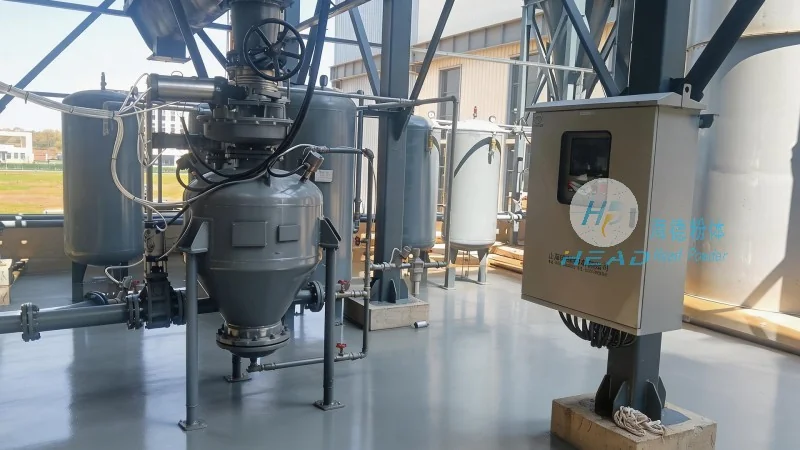
Introduction to Quicklime Pneumatic Conveying Systems
Quicklime, or calcium oxide (CaO), is a widely used industrial material in sectors such as steelmaking, chemical processing, and environmental remediation. Efficient and safe transportation of quicklime is crucial for maintaining production efficiency and minimizing operational risks. Pneumatic conveying systems offer a solution by using air or gas to transport bulk materials like quicklime through a network of pipes, eliminating the need for mechanical conveyors and reducing the risk of dust exposure and material degradation.
Key Components of the Pneumatic Conveying System
The quicklime pneumatic conveying system consists of several critical components that work in tandem to achieve effective material transport. These components include:
- Material Hopper: A storage container that holds the quicklime before it is fed into the system. The hopper is designed with a feeding mechanism to control the flow rate of the material into the conveying line.
- Feeder: Typically a rotary valve or a screw feeder that regulates the discharge of quicklime from the hopper into the conveying pipeline. The feeder ensures a consistent and controlled flow of material, preventing blockages and maintaining system stability.
- Pneumatic Conveying Pipe: A network of pipes that forms the main transport pathway for the quicklime. The pipe system is usually made of corrosion-resistant materials like stainless steel or special alloys to withstand the chemical properties of quicklime and prevent material degradation.
- Air Compressor: A high-pressure air compressor that generates the necessary airflow to move the quicklime particles through the pipes. The compressor is equipped with controls to adjust the air pressure and flow rate, optimizing the conveying efficiency.
- Filter and Dust Collector: A system that captures and removes any fine particles or dust from the exhaust air, ensuring compliance with environmental regulations and maintaining air quality in the operational area.
- Receiving Hopper: The final container where the quicklime is deposited after being conveyed through the system. The receiving hopper is designed to handle the incoming material and may include a discharge mechanism for further processing or storage.
Operation Process of the Quicklime Pneumatic Conveying System
The operation of the quicklime pneumatic conveying system follows a systematic sequence of steps to ensure smooth and continuous material transport. The process begins with the loading of quicklime into the material hopper. Once the hopper is filled, the feeder starts to discharge the material at a controlled rate. Simultaneously, the air compressor generates high-pressure air, which is introduced into the conveying pipe at the inlet of the system.
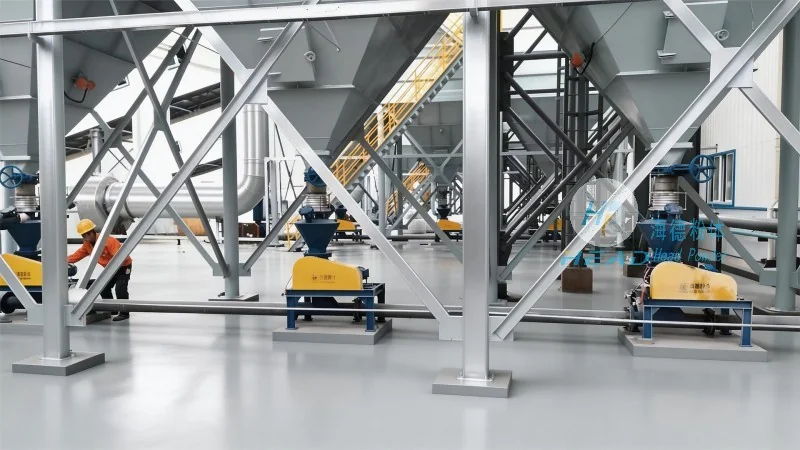
As the air flows through the pipe, it creates a low-pressure zone that draws the quicklime particles into the conveying stream. The combination of air velocity and particle size allows the quicklime to be suspended and transported through the pipe system. The conveying line may include bends, expansions, or other components that are designed to maintain the air flow and prevent material deposition or blockages.
Upon reaching the receiving hopper, the quicklime is deposited and collected. The exhaust air from the system passes through the filter and dust collector, where any fine particles are captured and the clean air is released back into the environment. The entire process is monitored and controlled by a system of sensors and controls that adjust the feeder speed, air pressure, and other parameters to maintain optimal performance.
Working Principle of the Pneumatic Conveying System
The working principle of the quicklime pneumatic conveying system is based on the fundamental concept of fluidization and particle suspension. When high-pressure air is introduced into the conveying pipe, it creates a turbulent flow that lifts and transports the quicklime particles. The key factors influencing the conveying efficiency include the air velocity, particle size, material density, and the length and diameter of the conveying pipe.
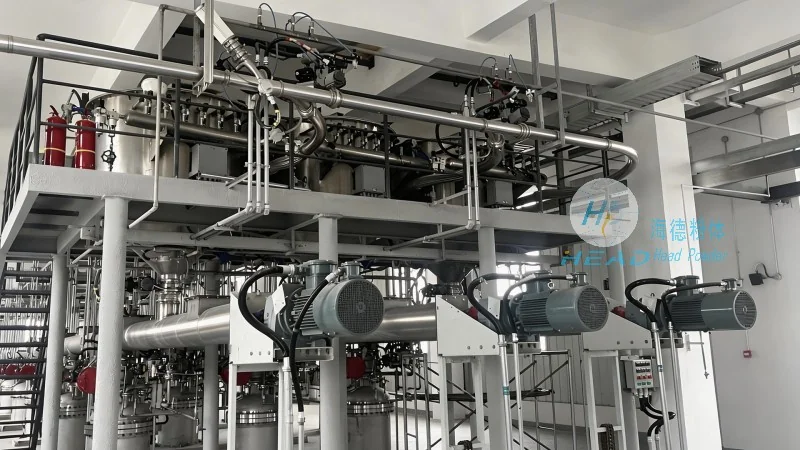
For quicklime, which is a fine, abrasive material, the system is designed to handle these characteristics effectively. The air compressor provides sufficient pressure to overcome the resistance in the pipe and maintain the material in a suspended state. The feeder ensures a consistent flow rate, preventing the formation of clumps or agglomerates that could cause blockages. The filter and dust collector are essential for maintaining air quality and complying with environmental standards.
Advantages of Quicklime Pneumatic Conveying Systems
Implementing a pneumatic conveying system for quicklime offers several advantages over traditional mechanical conveying methods. These include:
- Enhanced Safety: The enclosed system reduces the risk of dust exposure and material handling hazards, improving workplace safety.
- Improved Efficiency: The system allows for continuous and automated material transport, reducing downtime and increasing production throughput.
- Reduced Maintenance: With fewer moving parts compared to mechanical conveyors, the pneumatic system requires less maintenance and has lower operational costs.
- Flexibility: The pipe network can be easily reconfigured or expanded to accommodate changes in production requirements or facility layout.
- Environmental Compliance: The integrated filter and dust collector system ensures that emissions are minimized, helping the facility meet environmental regulations.
Conclusion
HeadPowder's quicklime material pneumatic conveying systems exemplify advanced engineering solutions for efficient and safe bulk material transport. By understanding the operation process and working principle of such systems, industrial facilities can optimize their material handling processes, enhance productivity, and ensure compliance with safety and environmental standards. With a strong presence in Shandong, China, HeadPowder continues to provide reliable and innovative solutions for the global industrial sector.




