Shandong HeadPowder Engineering Co., Ltd. specializes in providing advanced pneumatic conveying solutions for industrial applications, particularly in the production and handling of lysine materials. The company is headquartered in Shandong, China, and has established itself as a leading provider of efficient and reliable material handling systems tailored to the specific needs of the chemical and food processing industries.
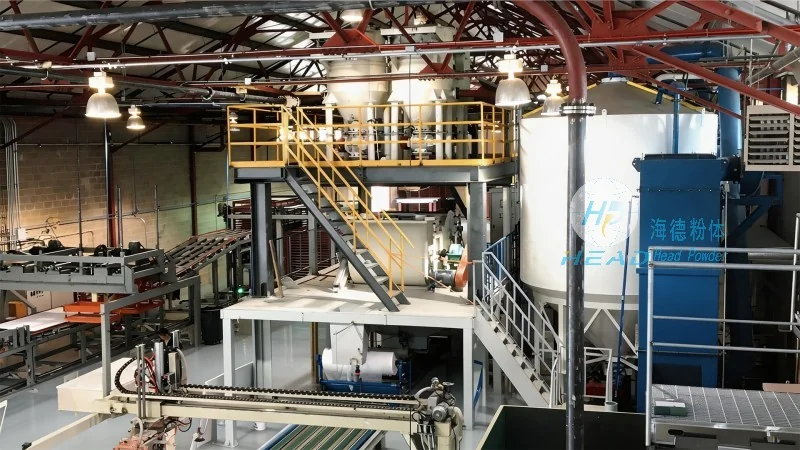
Overview of the Lysine Material Pneumatic Conveying System
The lysine material pneumatic conveying system is a sophisticated piece of equipment designed to transport lysine powder from the production line to storage or processing units. This system utilizes compressed air to move the material through a pipeline network, eliminating the need for mechanical components like belts or buckets that can cause contamination or wear. The system is engineered to handle the unique properties of lysine, such as its fine particle size and hygroscopic nature, ensuring that the material remains in optimal condition throughout the transport process.
Key Components and Their Functions
The pneumatic conveying system consists of several critical components that work in tandem to achieve efficient material transport. These include the hopper, air compressor, pipeline system, airlocks, cyclones, and filters. The hopper serves as the initial storage container for the lysine material, providing a controlled environment to prevent caking or moisture absorption. The air compressor generates the necessary pressure to create the air flow required for conveying the material. The pipeline system is designed with smooth, corrosion-resistant materials to minimize friction and ensure consistent air velocity. Airlocks are used to control the flow of material into the pipeline, preventing backflow and maintaining system pressure. Cyclones and filters are essential for separating the lysine particles from the air stream, ensuring that the material is delivered to the destination without contamination and that the air is cleaned before being discharged.
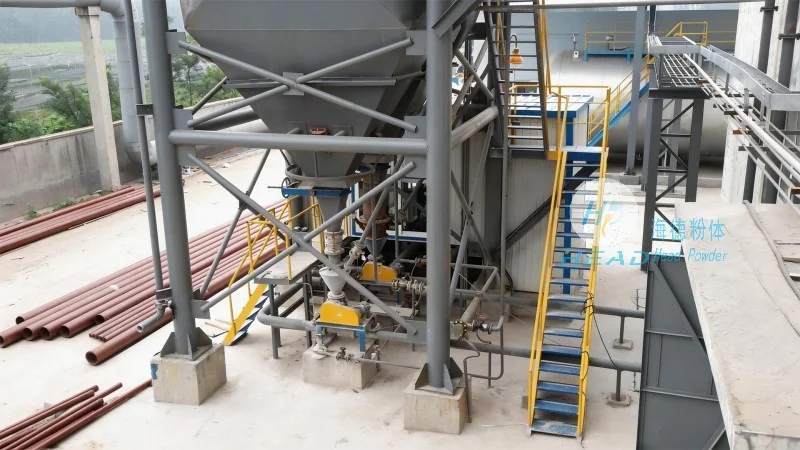
System Operation Process
The operation of the lysine material pneumatic conveying system begins with the loading of lysine powder into the hopper. The material is then fed into the system through an airlock, which controls the flow rate and prevents the material from entering the pipeline too quickly. The air compressor is activated, and compressed air is directed into the pipeline, creating a flow that lifts the lysine particles into the air stream. The material is carried through the pipeline to the receiving hopper or storage tank. The system includes sensors and controls that monitor the pressure, flow rate, and material level, ensuring that the operation is smooth and efficient. If any issues arise, such as a blockage or pressure drop, the system will automatically shut down to prevent damage to the equipment or loss of material.
Working Principle of the Pneumatic Conveying System
The working principle of the lysine material pneumatic conveying system is based on the principle of fluidization and air movement. The system uses compressed air to create a flow that suspends the lysine particles in the air stream, allowing them to be transported through the pipeline. The air velocity is carefully controlled to ensure that the particles are carried without causing excessive wear on the system components. The system operates on the principle of positive pressure, where the air is forced through the pipeline, carrying the material with it. The pressure is maintained throughout the system to ensure that the material is conveyed continuously and without interruption. The system also includes features such as air filtration and separation to maintain the purity of the lysine material and protect the equipment from damage.
Advantages of the Lysine Material Pneumatic Conveying System
The lysine material pneumatic conveying system offers several advantages over traditional mechanical conveying systems. These include reduced risk of contamination, as the material is not in contact with mechanical components. The system also provides better control over the flow rate and pressure, ensuring that the material is conveyed efficiently and without loss. Additionally, the system is more flexible and can be easily modified to accommodate changes in production volume or material properties. The use of compressed air also allows for the transport of material over long distances without the need for additional equipment or infrastructure.
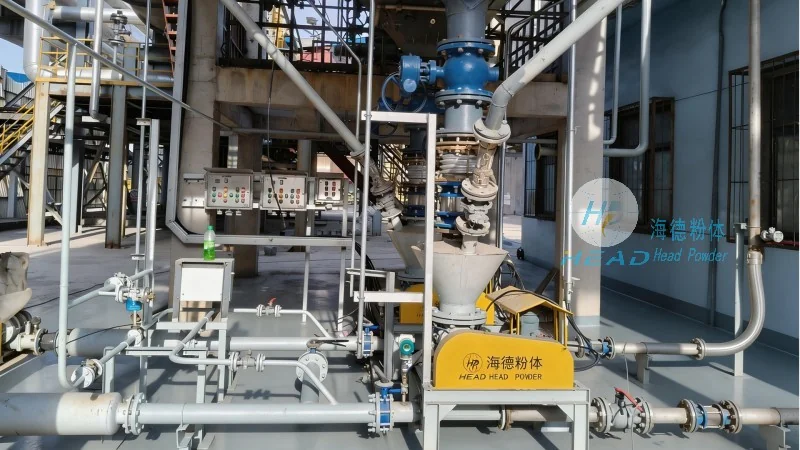
Applications and Industries
The lysine material pneumatic conveying system is widely used in the chemical and food processing industries, particularly in the production of lysine as a feed additive. The system is also used in other industries where fine powders need to be transported, such as pharmaceuticals, plastics, and ceramics. The system is designed to handle a wide range of material properties, including different particle sizes, densities, and moisture contents, making it a versatile solution for various industrial applications.
Maintenance and Safety Considerations
Maintenance of the lysine material pneumatic conveying system is crucial to ensure its long-term performance and reliability. Regular cleaning of the hopper, airlocks, and filters is necessary to prevent clogging and maintain system efficiency. The air compressor and pipeline system should be inspected regularly for signs of wear or damage. Safety considerations are also important, as the system operates at high pressures and can pose a risk of injury if not handled properly. Proper training and safety protocols should be followed when operating the system to ensure the safety of personnel and the integrity of the equipment.




