For industries dealing with nanocalcium carbonate, efficient and reliable bulk material handling is crucial to maintaining production efficiency and product quality. Pneumatic conveying systems offer a sophisticated solution for transporting these fine particles, ensuring minimal loss and consistent flow. This article explores the application of pneumatic conveying in the bulk handling of nanocalcium carbonate, highlighting key considerations and benefits.
Understanding Pneumatic Conveying Systems
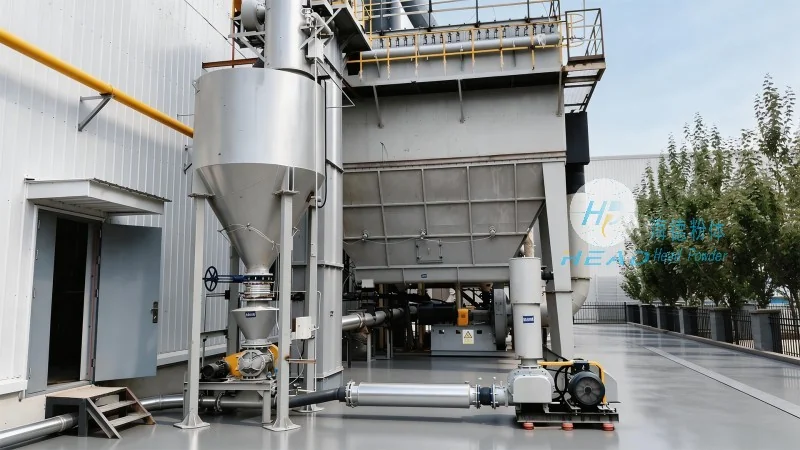
Pneumatic conveying utilizes air or gas to transport solid materials through a pipeline. It is particularly effective for handling fine powders like nanocalcium carbonate, which are prone to caking and segregation if not managed properly. The system typically consists of a blower, a hopper for material storage, and a pipeline network that directs the material to its destination. There are two main types of pneumatic conveying: pressure and vacuum systems. Pressure systems use compressed air to push material forward, while vacuum systems use suction to draw material through the line. Each type has its advantages, with pressure systems being more suitable for long-distance and high-volume transport, and vacuum systems ideal for short distances and sensitive materials.
Key Benefits of Pneumatic Conveying for Nanocalcium Carbonate
Implementing pneumatic conveying for nanocalcium carbonate offers several advantages. Firstly, it minimizes material degradation and contamination, as the material remains enclosed within the pipeline, preventing exposure to external elements. This is critical for maintaining the purity and quality of nanocalcium carbonate, which is often used in high-value applications such as coatings, plastics, and pharmaceuticals. Secondly, pneumatic conveying reduces labor costs and operational complexity compared to traditional methods like belt conveyors or bucket elevators. The automated system requires less manual intervention, leading to increased productivity and lower maintenance expenses. Additionally, it provides better control over material flow, allowing for precise dosing and regulation, which is essential for consistent product output. The system also offers flexibility in layout, enabling easy integration into existing production lines without major structural modifications.
Application in Bulk Handling Processes
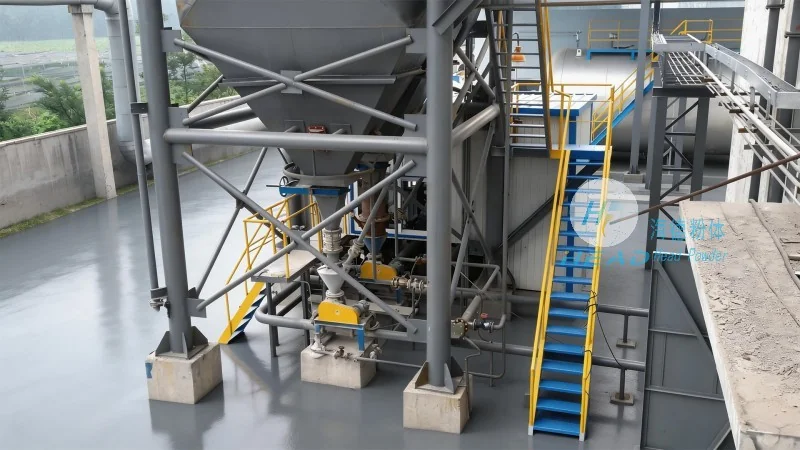
In the context of bulk handling, pneumatic conveying is integrated into various stages of the nanocalcium carbonate production and distribution process. From raw material storage and feeding to intermediate processing and final packaging, the system ensures seamless material transfer. For instance, in a manufacturing plant, nanocalcium carbonate is first stored in a bulk container. The pneumatic conveying system then draws the material from the container and transports it to a grinding or mixing unit. This continuous flow minimizes downtime and ensures a steady supply of material for processing. During the packaging stage, the system can also be used to fill containers or bags with the material, maintaining consistent weight and volume. The ability to handle fine particles without clogging or blockages is a significant advantage, as it prevents system downtime and reduces the need for frequent maintenance.
Technical Considerations for Optimal Performance
Successful implementation of pneumatic conveying for nanocalcium carbonate requires careful consideration of several technical factors. The first is the selection of appropriate air velocity and pressure. The air velocity must be high enough to prevent material settling but low enough to avoid excessive wear on the pipeline and components. The pressure level is determined by the distance and volume of material to be transported, with higher pressures needed for longer distances or larger quantities. Another critical factor is the material's properties, such as its density, moisture content, and flowability. Nanocalcium carbonate is a fine powder with a high surface area, which can lead to agglomeration if not properly conditioned. Pre-treatment steps, such as drying or adding anti-caking agents, may be necessary to improve its flow characteristics and prevent blockages. The design of the pipeline system, including the diameter, length, and bends, also impacts performance. Properly sized and routed pipelines minimize pressure drop and ensure smooth material flow. Regular maintenance, including cleaning and inspection of components, is essential to maintain system efficiency and prevent downtime.
Case Study: Implementation by Shandong HeadPowder Engineering Co., Ltd.
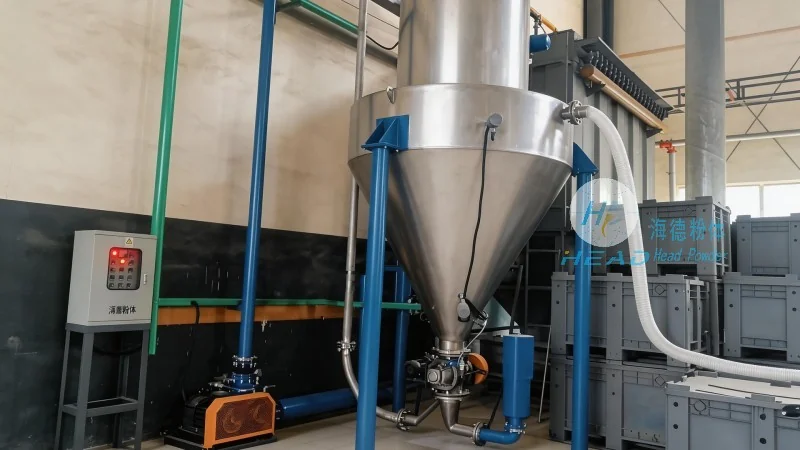
Shandong HeadPowder Engineering Co., Ltd., a leading provider of bulk material handling solutions, has successfully implemented pneumatic conveying systems for nanocalcium carbonate in several industrial applications. One notable project involved a client in the plastics industry who required a reliable system to transport nanocalcium carbonate from a storage silo to a compounding line. The system was designed with a pressure conveying configuration, using a high-efficiency blower and a network of stainless steel pipelines to ensure durability and resistance to corrosion. The implementation resulted in a significant reduction in material loss and improved production efficiency. The client reported a 20% increase in output and a 15% decrease in maintenance costs compared to their previous method. Another project involved a pharmaceutical company that needed to handle nanocalcium carbonate for a coating application. The system was configured with a vacuum conveying setup to minimize product contamination and ensure precise dosing. The system's flexibility allowed for easy integration into the existing production line, with minimal disruption to operations. These case studies demonstrate the effectiveness of pneumatic conveying in handling nanocalcium carbonate and the expertise of Shandong HeadPowder Engineering Co., Ltd. in designing and implementing such systems.
Conclusion
Pneumatic conveying is a highly effective method for bulk handling of nanocalcium carbonate, offering numerous benefits in terms of efficiency, quality, and cost. By utilizing air or gas to transport fine particles, the system minimizes degradation, contamination, and labor costs while providing precise control over material flow. The success of such systems depends on careful consideration of technical factors, including air velocity, pressure, material properties, and pipeline design. With the expertise of companies like Shandong HeadPowder Engineering Co., Ltd., industries can implement reliable pneumatic conveying solutions tailored to their specific needs. As the demand for nanocalcium carbonate continues to grow, the adoption of advanced bulk handling technologies like pneumatic conveying will play a crucial role in meeting production requirements and maintaining product quality.




