Bin pump material pneumatic conveying machines are advanced industrial equipment designed for efficient bulk material transport. This equipment is widely used in various industries such as chemical, food, and pharmaceutical manufacturing due to its ability to handle a wide range of materials with high efficiency and minimal contamination. The following sections will detail the operation process and working principle of this machine, providing a comprehensive understanding of its functionality and benefits.
Company Introduction
HeadPowder, a leading manufacturer in the field of material handling equipment, specializes in the design, production, and supply of high-quality bin pump systems. With a strong commitment to innovation and customer satisfaction, the company has established itself as a trusted partner for businesses seeking reliable pneumatic conveying solutions. HeadPowder's products are engineered to meet the stringent requirements of modern industrial applications, ensuring durability, efficiency, and safety in material transport operations.
Overview of Bin Pump Material Pneumatic Conveying Machine
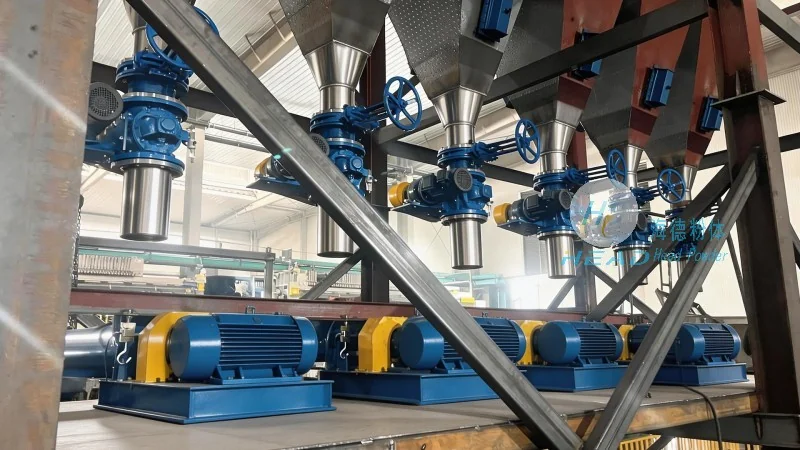
The bin pump material pneumatic conveying machine is a critical component in bulk material handling systems. It operates by using compressed air to transport dry or semi-dry materials from a storage bin to a processing or discharge point. The system typically consists of a hopper, a pump unit, a conveying line, and a control system, all working in harmony to achieve seamless material movement. This equipment is particularly advantageous for applications where traditional mechanical conveyors may not be suitable due to material characteristics or operational constraints.
Working Principle of the Bin Pump
The core of the bin pump material pneumatic conveying machine is the pump unit, which functions as a positive displacement device. The pump draws material from the hopper and mixes it with compressed air, creating a slurry-like mixture. This mixture is then forced through the conveying line under pressure, ensuring consistent and controlled material flow. The process involves several key steps: material feeding, air compression, mixture formation, and discharge. Each step is carefully controlled to maintain optimal performance and prevent material degradation or blockages.
Operation Process Step-by-Step
The operation of the bin pump material pneumatic conveying machine can be broken down into the following sequential steps:
1. **Material Loading**: The bulk material is fed into the storage hopper from a silo or storage tank. The hopper is designed to accommodate large volumes of material and ensures a consistent feed rate.
2. **Air Compression**: Compressed air is supplied to the pump unit, which is typically driven by an electric motor. The air pressure is regulated to match the material characteristics and the required conveying distance.
3. **Material Suction and Mixing**: The pump draws material from the hopper and mixes it with the compressed air. This mixing process is crucial as it creates a homogeneous mixture that can be easily transported through the pipeline.
4. **Conveying Through Pipeline**: The mixed material-air stream is then forced through the conveying line. The pipeline is usually made of flexible or rigid materials, depending on the application, and is equipped with appropriate fittings and valves to control the flow direction and pressure.
5. **Discharge and Drying**: At the discharge point, the material is separated from the air, often through a cyclone or filter system. The separated material is then collected in a receiving container, while the air is either recycled or vented to the atmosphere.
Key Components and Their Functions
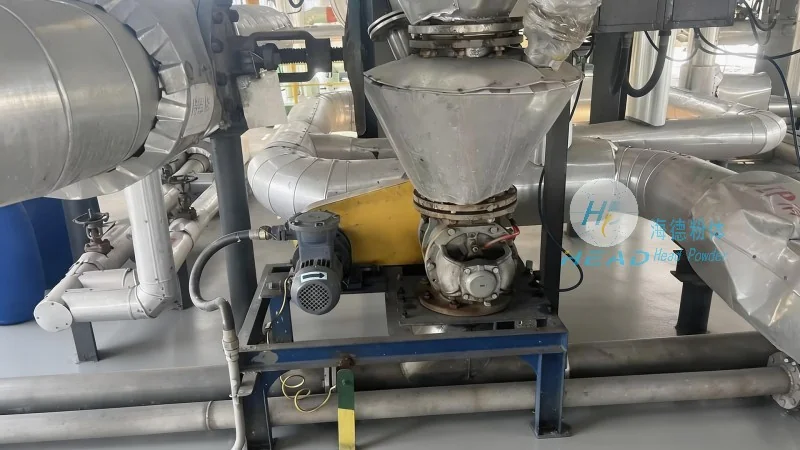
The bin pump material pneumatic conveying machine comprises several essential components, each playing a vital role in the overall operation:
1. **Hopper**: The hopper serves as the material storage and feeding unit. It is designed with a sloped bottom to facilitate material flow and is equipped with a feed gate or valve to control the discharge rate.
2. **Pump Unit**: The pump is the heart of the system, responsible for creating the pressure differential needed to transport the material. It can be a rotary lobe pump, a diaphragm pump, or a piston pump, depending on the material's properties and the required flow rate.
3. **Compressed Air System**: This system provides the necessary air pressure and volume to drive the pump and maintain the material-air mixture. It includes an air compressor, pressure regulator, and air filter to ensure clean and consistent air supply.
4. **Conveying Line**: The pipeline connects the pump to the discharge point and is designed to withstand the pressure and material flow. It may include bends, elbows, and expansion joints to accommodate changes in direction and elevation.
5. **Control System**: The control system monitors and regulates the operation of the machine, including air pressure, material flow rate, and pump speed. It ensures safe and efficient operation by detecting any abnormalities or blockages.
Advantages of Bin Pump Material Pneumatic Conveying
Bin pump material pneumatic conveying machines offer several advantages over traditional conveying methods. These include:
1. **Versatility**: The system can handle a wide range of materials, including powders, granules, and fine particles, without causing segregation or degradation.
2. **Low Maintenance**: Compared to mechanical conveyors, pneumatic systems have fewer moving parts, reducing the need for frequent maintenance and increasing operational reliability.
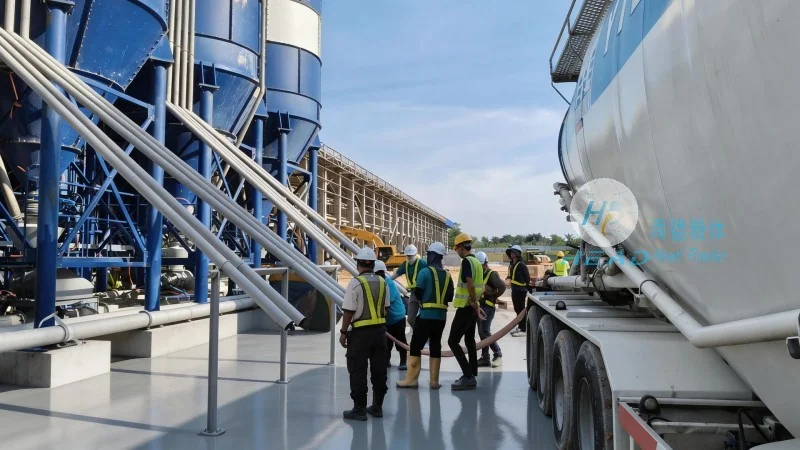
3. **Clean and Contamination-Free**: The enclosed system prevents dust and contamination, making it suitable for applications in food, pharmaceutical, and chemical industries where hygiene is critical.
4. **Energy Efficiency**: Modern bin pump systems are designed to be energy-efficient, using compressed air only when necessary and optimizing the flow rate to minimize energy consumption.
Applications and Industries
Bin pump material pneumatic conveying machines are widely used in various industries due to their adaptability and efficiency. Some common applications include:
1. **Chemical Industry**: Transporting chemicals, powders, and granules in manufacturing processes.
2. **Food and Beverage Industry**: Handling ingredients such as flour, sugar, and spices in food processing plants.
3. **Pharmaceutical Industry**: Conveying raw materials and finished products in pharmaceutical manufacturing, ensuring compliance with GMP (Good Manufacturing Practice) standards.
4. **Mining and Minerals Industry**: Transporting bulk materials like ores and minerals from storage to processing facilities.
5. **Plastics and Rubber Industry**: Handling raw materials and finished products in manufacturing plants.
Maintenance and Safety Considerations
Proper maintenance and adherence to safety guidelines are essential for the optimal performance and longevity of the bin pump material pneumatic conveying machine. Regular inspections of the pump, air system, and conveying line are recommended to identify and address any potential issues. Additionally, safety measures such as pressure relief valves, air filters, and proper grounding should be implemented to prevent accidents and ensure safe operation.
Conclusion
Bin pump material pneumatic conveying machines are sophisticated equipment that play a crucial role in modern industrial material handling. By understanding the operation process and working principle, users can appreciate the efficiency and versatility of these systems. With proper maintenance and operation, bin pumps can provide reliable and cost-effective solutions for bulk material transport in various industries. HeadPowder, as a leading manufacturer, continues to innovate and improve its products to meet the evolving needs of the market, ensuring that customers receive high-quality and durable equipment for their material handling requirements.




