When it comes to efficiently handling bulk materials during ship loading and unloading operations, pneumatic conveying systems have emerged as a reliable and efficient solution. These systems utilize air or gas to transport materials through a network of pipes, offering a flexible and often cost-effective alternative to traditional mechanical conveying methods. At Shandong HeadPowder Engineering Co., Ltd., based in Shandong, China, we specialize in designing and implementing such systems tailored to the unique needs of maritime operations.
Key Components and Functionality of Pneumatic Conveying Systems
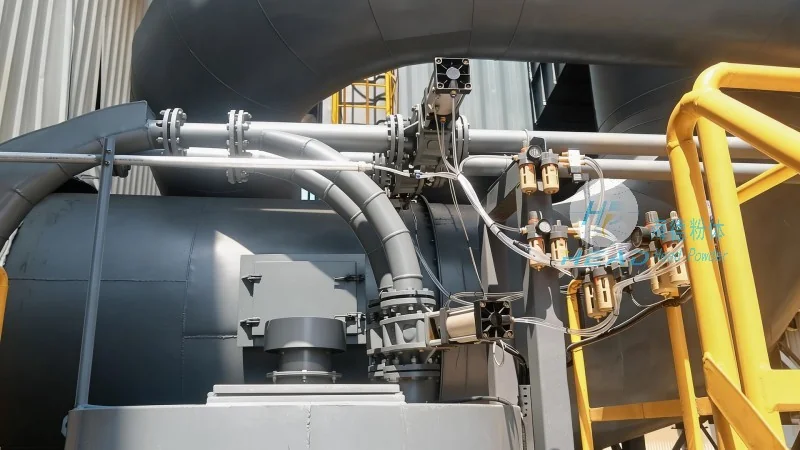
The core of a ship loading and unloading pneumatic conveying system consists of several critical components that work in tandem to ensure smooth material transport. The system typically includes a material feed hopper, a conveying line (composed of pipes), a blower or compressor to generate the necessary air pressure, and a receiver or discharge hopper at the destination. The material is introduced into the system, often in a dry or slightly moist state, and is then entrained by the moving air stream, traveling through the pipes to the receiving point. This process eliminates the need for physical contact between the material and the conveying equipment, reducing wear and tear and minimizing the risk of contamination.
Design Principles and Engineering Considerations
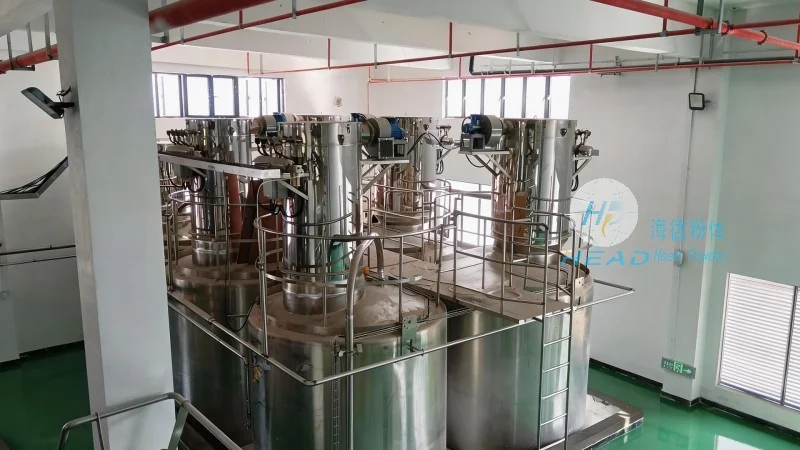
The design of a pneumatic conveying system for ship operations involves careful consideration of several key factors to ensure optimal performance and reliability. One of the primary design principles is the selection of the appropriate air velocity and pressure. The air velocity must be sufficient to entrain the material particles and maintain their suspension within the conveying line, while also minimizing energy consumption. Engineers at Shandong HeadPowder Engineering Co., Ltd. employ advanced computational fluid dynamics (CFD) and material flow analysis to determine the optimal air velocity and pressure for a given material and system configuration. Additionally, the system design must account for the material's physical properties, such as particle size, density, and moisture content, as these factors directly impact the conveying efficiency and system performance. The pipe diameter, length, and layout are also critical design elements, as they influence the pressure drop and overall system efficiency. Properly sized and routed pipes help maintain consistent air flow and prevent blockages or material buildup.
Advantages of Pneumatic Conveying Systems in Maritime Operations
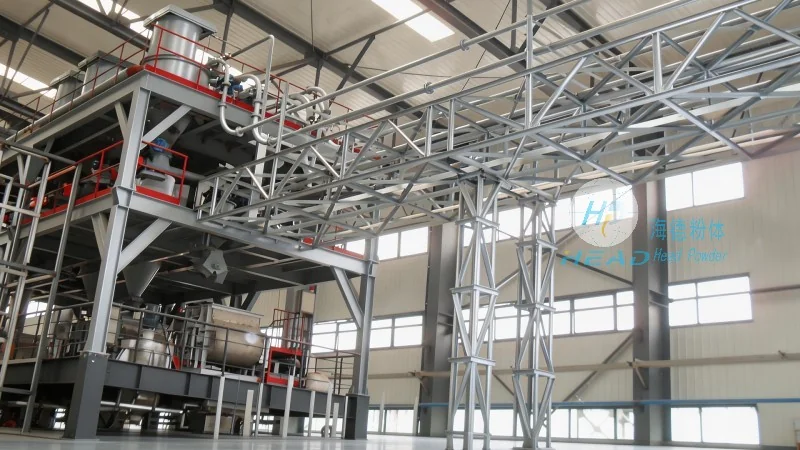
Compared to traditional mechanical conveying methods, pneumatic conveying systems offer several advantages that make them ideal for ship loading and unloading applications. One of the most significant benefits is the ability to handle a wide range of bulk materials, including powders, granules, and even fine particles, without the need for additional processing or handling. The system's flexibility allows for easy integration with existing infrastructure and can be adapted to accommodate changes in material types or operational requirements. Additionally, pneumatic conveying systems are generally more hygienic and cleaner, as they minimize direct contact with the material and reduce the risk of dust or particle contamination. This is particularly important in industries where material purity is critical, such as food processing or pharmaceuticals. Another advantage is the reduced maintenance requirements compared to mechanical systems, as there are fewer moving parts and less wear and tear on components. The system's ability to operate in a closed environment also helps to control dust emissions and improve workplace safety.
Customization and Application Scope
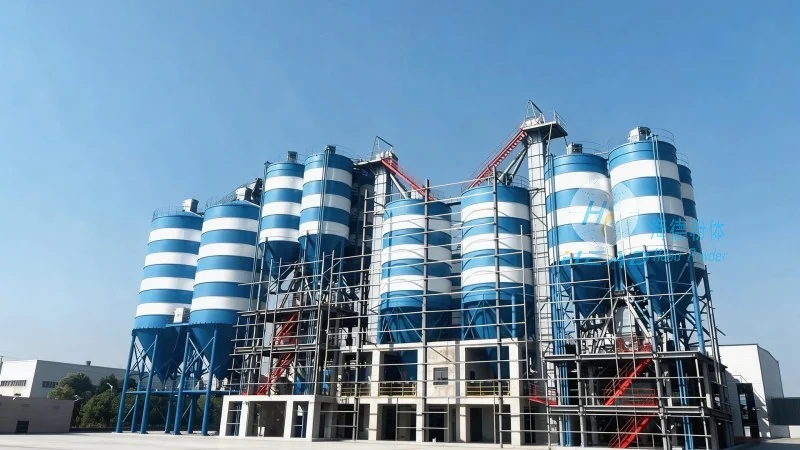
At Shandong HeadPowder Engineering Co., Ltd., we understand that each ship loading and unloading operation has unique requirements. Therefore, our approach to system design is highly customized to meet the specific needs of our clients. We work closely with customers to assess their material characteristics, operational parameters, and site constraints to develop a tailored solution. Our systems can be designed for both positive and negative pressure operation, depending on the material and application. Positive pressure systems, where air is blown into the conveying line, are commonly used for long-distance or high-velocity conveying, while negative pressure systems, where air is drawn from the line, are often preferred for shorter distances or applications where dust control is a priority. The system can also be integrated with additional features, such as dust collection and filtration systems, to enhance performance and compliance with environmental regulations. Our expertise in material handling and pneumatic conveying allows us to provide comprehensive solutions that address not only the conveying process but also the overall material handling workflow.




