In the food processing sector, particularly for businesses handling cereal products, efficient material handling is paramount. The cereal material pneumatic conveying machine serves as a critical solution, enabling the transport of bulk dry materials like cereals, grains, and similar products through a pipeline using air pressure. This equipment offers significant advantages over traditional mechanical conveying systems, including reduced contamination risks, lower maintenance demands, and the ability to maintain product integrity in a closed environment. This article delves into the operation process and working principle of such a machine, detailing how it enhances operational efficiency and product quality.
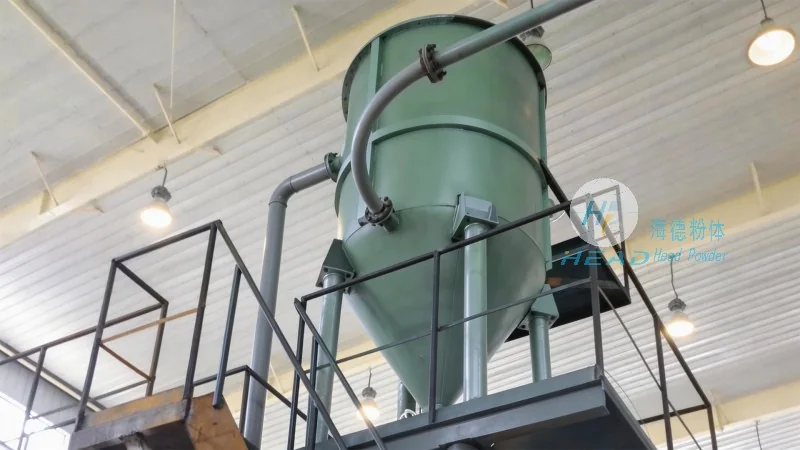
Overview of Cereal Material Pneumatic Conveying Systems
The cereal material pneumatic conveying machine, often referred to as a pneumatic conveyor, is a sophisticated system designed to move bulk materials. Its primary function is to transport dry, free-flowing materials through a network of pipes using air as the conveying medium. This method is especially valuable in the food industry, where maintaining product purity and preventing cross-contamination is essential. The system typically integrates several key components, each playing a vital role in the overall operation.
Core Components and Their Functions
Understanding the working principle of a cereal material pneumatic conveying machine begins with identifying its fundamental components. These include a hopper for material storage, a feeder to regulate flow rates, a pipeline system for material transport, a blower or air compressor to generate air pressure, and a receiver or discharge unit for material collection. The hopper holds the raw cereal material, while the feeder controls the amount released into the pipeline to ensure consistent flow. The blower creates the necessary air pressure, and the pipeline conveys the material to the discharge point. The receiver collects the material after air separation.
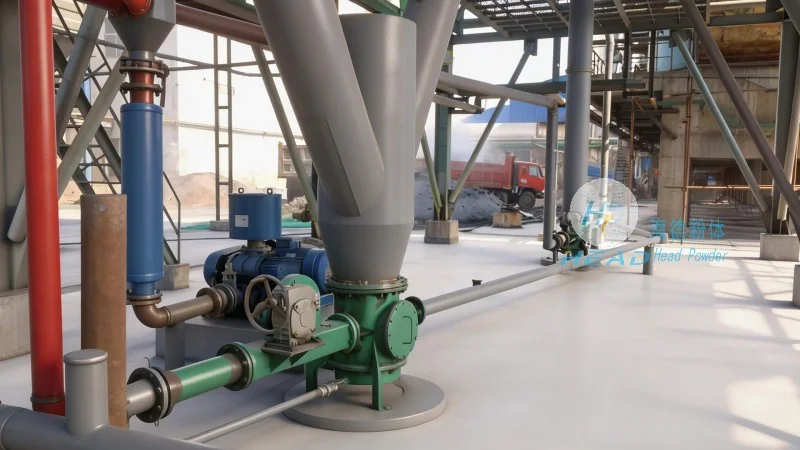
Step-by-Step Operation Process
The operation of a cereal material pneumatic conveying machine follows a systematic sequence. First, the cereal material is fed into the hopper from a storage silo or bin. The feeder then regulates the material flow into the pipeline, ensuring a steady rate. Simultaneously, the blower generates a high-pressure air stream that moves through the pipeline. As the material enters the pipeline, it is entrained by the air flow, forming a suspension that is transported to the discharge point. The air-material mixture then passes through a separator, where the air is separated from the material and either vented or recirculated, while the material is collected in the receiver. This process is continuous and can be adjusted to handle varying production volumes and material types.
Working Principle: Fluid Dynamics and Air Pressure
The working principle of the pneumatic conveying machine is based on fluid dynamics and pressure differentials. When the blower creates a high-pressure air stream, it establishes a pressure gradient within the pipeline. This pressure differential causes the cereal material to be drawn into the air stream, forming a slurry that is propelled forward. The system operates under either positive pressure (air pushes material) or negative pressure (vacuum pulls material), with positive pressure being more common for cereal materials due to its ability to handle diverse particle sizes and flow rates. The design of the pipeline, including bends, valves, and other components, is critical to maintaining flow and preventing blockages.
Advantages for Food Processing Facilities
Implementing a cereal material pneumatic conveying machine offers numerous benefits for food processing businesses. These include improved product hygiene by keeping materials enclosed and protected from contaminants, reduced labor costs through automated handling, and enhanced operational flexibility to accommodate different cereal products or production volumes. The closed system design also minimizes dust emissions, contributing to a safer and more environmentally friendly workplace. For companies like Shandong HeadPowder Engineering Co., Ltd., which specializes in engineering solutions for the food industry, this equipment is a key component of their customized solutions, ensuring clients achieve optimal material handling efficiency while maintaining high standards of product quality and safety.
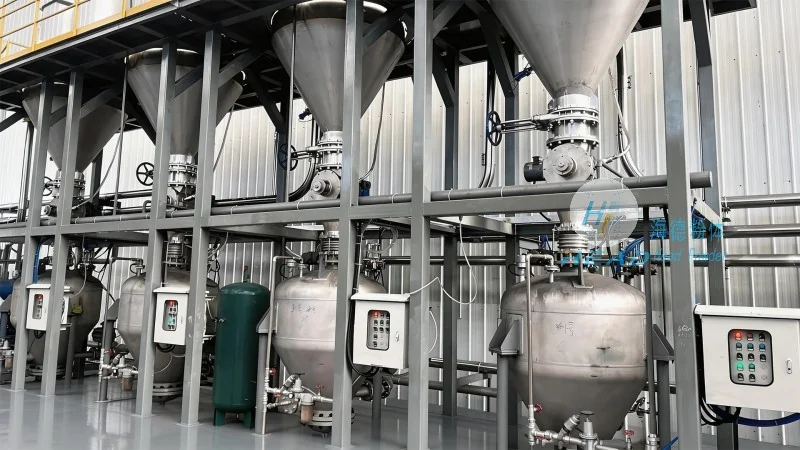
Application in Cereal and Grain Processing
For facilities processing cereals and grains, the pneumatic conveying machine is indispensable. It enables seamless integration into production lines, from raw material intake to final product packaging. The system’s ability to handle different grain types, such as wheat, oats, or corn, makes it versatile for various applications. By providing reliable and efficient material transport, the machine supports consistent production output and reduces downtime associated with manual handling or mechanical blockages. The engineering expertise of companies like Shandong HeadPowder Engineering Co., Ltd. ensures that these systems are tailored to meet specific client needs, optimizing performance and longevity.
Conclusion
In summary, the operation process and working principle of a cereal material pneumatic conveying machine are integral to modern food processing operations. By leveraging air pressure and fluid dynamics, this equipment efficiently transports bulk cereal materials while maintaining product quality and operational efficiency. The benefits, including enhanced hygiene, reduced maintenance, and flexible operation, make it a valuable asset for any facility in the cereal and grain processing industry. For businesses seeking reliable material handling solutions, understanding and implementing such systems, as offered by companies like Shandong HeadPowder Engineering Co., Ltd., is essential for achieving optimal production outcomes and maintaining industry standards.




