For industrial operations dealing with sugar, efficient and reliable material handling is crucial. Pneumatic conveying systems offer a sophisticated solution that combines functionality with minimal maintenance requirements. This article explores the operation process and working principles of a sugar material pneumatic conveying machine, highlighting how such equipment enhances productivity and safety in sugar processing facilities.
Company Overview: Shandong HeadPowder Engineering Co., Ltd.
HeadPowder, a leading manufacturer based in Shandong, China, specializes in engineering solutions for material handling and processing. With a focus on innovation and quality, the company provides customized pneumatic conveying systems tailored to the unique needs of the sugar industry. Their expertise ensures that equipment is designed to handle the specific challenges of sugar material, such as moisture content, particle size, and flow characteristics.
Key Components of a Sugar Material Pneumatic Conveying System
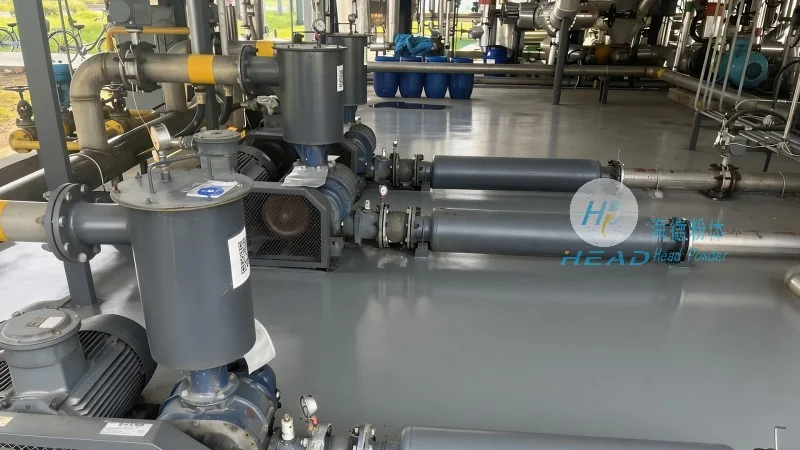
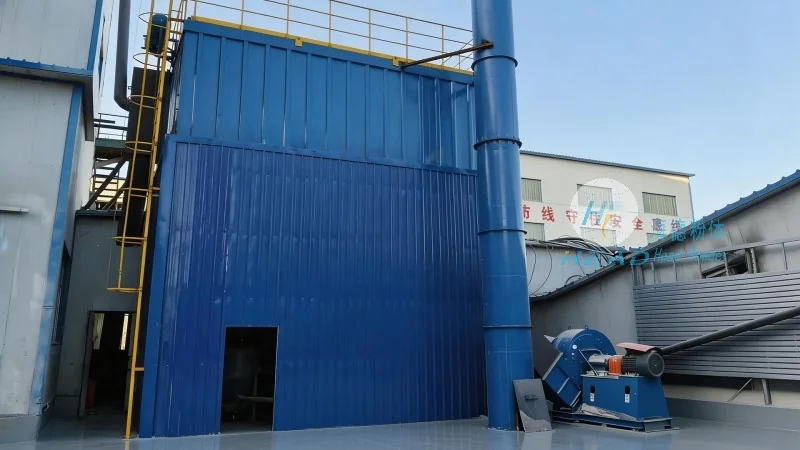
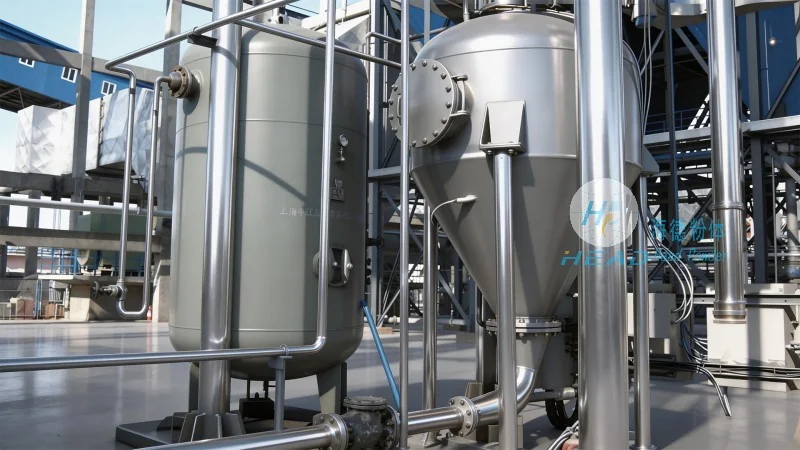
The pneumatic conveying machine for sugar material typically consists of several core components that work in harmony to transport the material. These include a hopper for material storage, a feeder to control the flow rate, a conveying line (often with bends and filters), a dust collector to manage air and particulate matter, and a discharge outlet for the material. Each component plays a vital role in ensuring smooth and efficient operation.
The Working Principle: How the System Transports Sugar
The operation of a sugar material pneumatic conveying system relies on the principle of air movement to transport the material. The process begins with the material being fed into the hopper. From there, a feeder regulates the flow, ensuring a consistent rate of material introduction. Simultaneously, a blower or compressor generates the necessary air pressure to create a flow within the conveying line. As the air moves through the system, it carries the sugar particles along, overcoming gravitational forces and moving the material from the inlet to the discharge point.
Operation Process: Step-by-Step Execution
The operation process of the sugar material pneumatic conveying machine involves several sequential steps that ensure optimal performance. First, the system is prepared by checking the air supply and ensuring all components are properly aligned. Next, the hopper is filled with sugar material, and the feeder is activated to start the material flow. The blower then initiates the air flow, creating the conveying action. As the material travels through the line, it may encounter bends or filters that help maintain the air quality and prevent blockages. Finally, the material is discharged at the receiving end, completing the cycle. The system can be controlled manually or automatically, depending on the operational requirements of the facility.
Advantages of Using Pneumatic Conveying for Sugar Handling
Implementing a pneumatic conveying system for sugar material offers numerous advantages over traditional methods. These include reduced labor costs due to automated operation, improved safety by minimizing manual handling of bulk material, and enhanced hygiene standards as the system is enclosed and dust-free. Additionally, the equipment is designed to handle varying particle sizes and moisture levels, making it versatile for different sugar products. The low maintenance requirements and energy efficiency further contribute to its cost-effectiveness in long-term operations.
Conclusion: Enhancing Efficiency in Sugar Processing
For sugar processing facilities, the pneumatic conveying machine from Shandong HeadPowder Engineering Co., Ltd. represents a reliable and efficient solution for material handling. By understanding the operation process and working principles, operators can optimize the system for maximum productivity and minimal downtime. The company's commitment to quality and customization ensures that each system is tailored to meet the specific needs of the sugar industry, providing a sustainable and effective approach to material transport.




