Efficient material handling is a critical factor in the fertilizer industry, especially when dealing with granular products. Pneumatic conveying systems offer a flexible and effective method to transport these materials over varying distances and through different environments. Shandong HeadPowder Engineering Co., Ltd., a leading provider in this field, specializes in designing and implementing advanced pneumatic conveying solutions tailored to the unique needs of agricultural and industrial clients. This article outlines several key approaches to pneumatic conveying of granular fertilizers, emphasizing the importance of selecting the right system for optimal performance and reliability.
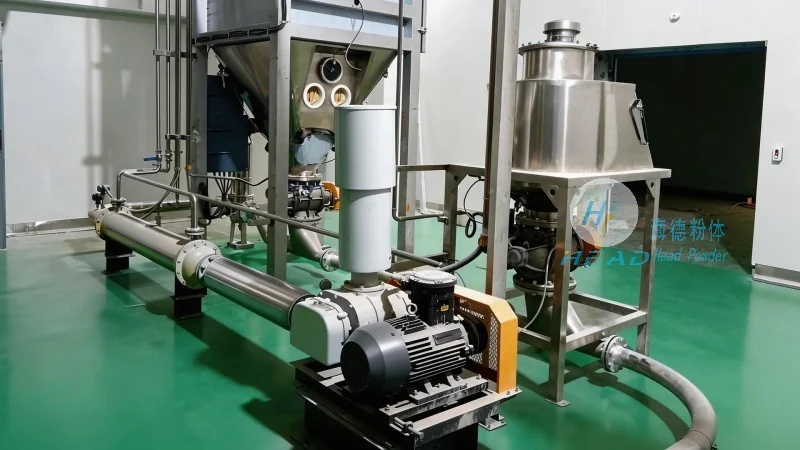
Understanding Pneumatic Conveying Systems for Granular Fertilizers
Pneumatic conveying involves the use of air or gas to move bulk materials like granular fertilizers through a pipeline system. The primary advantage of this method is its ability to transport materials without the need for mechanical components such as belts or buckets, reducing maintenance and operational costs. There are two main types of pneumatic conveying: dilute phase and dense phase, each with distinct characteristics and applications. Understanding these differences is essential for selecting the most suitable system for fertilizer handling.
Solution 1: Dilute Phase Pneumatic Conveying
Dilute phase pneumatic conveying is a high-velocity system where the material is suspended in a stream of air. This method is ideal for short to medium distances and applications where the material is relatively light and free-flowing. The system operates at velocities typically between 20 to 100 meters per second, ensuring efficient transport while minimizing pressure drops. For granular fertilizers, this approach is particularly effective for moving materials from storage silos to processing units or packaging lines. The dilute phase system is known for its simplicity and low capital investment, making it a popular choice for many fertilizer manufacturers.
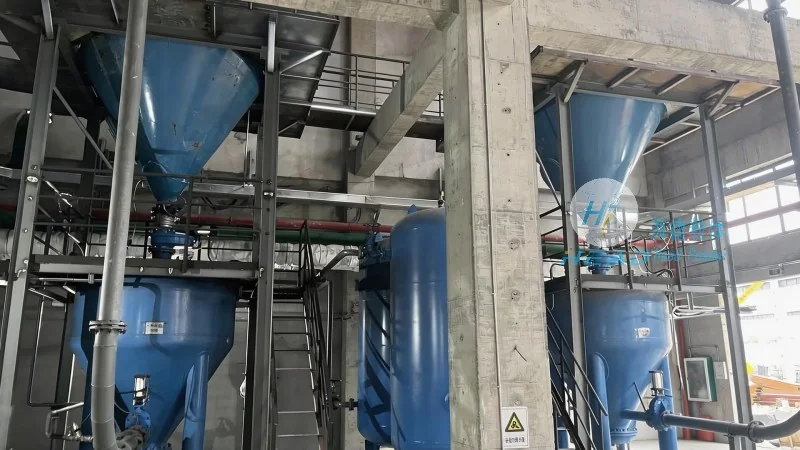
Solution 2: Dense Phase Pneumatic Conveying
Dense phase pneumatic conveying, also known as low-velocity conveying, uses lower air velocities to move material in a more concentrated form. In this system, the material is carried in a dense slug or plug, which reduces the risk of material degradation and equipment wear. This method is suitable for longer distances and for handling materials that are more abrasive or have higher moisture content. Dense phase conveying is particularly beneficial for transporting granular fertilizers that require gentle handling to preserve their quality and prevent caking. The system operates at lower velocities, typically 5 to 15 meters per second, and uses higher air pressure to achieve the desired transport efficiency.
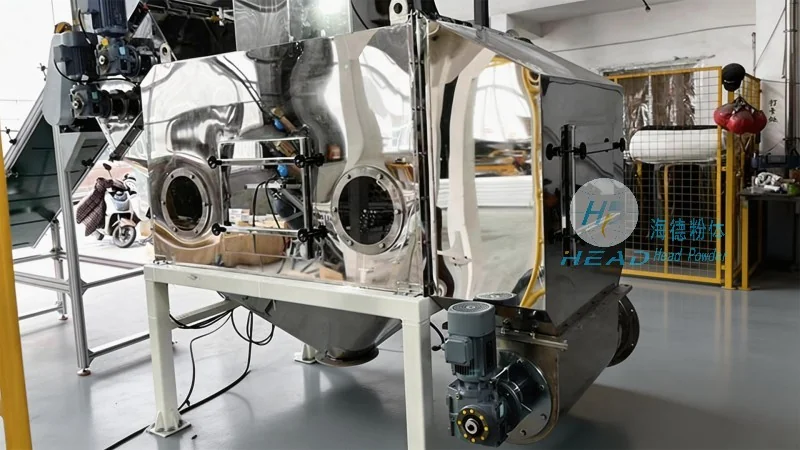
Solution 3: Hybrid Pneumatic Conveying Systems
Hybrid pneumatic conveying systems combine elements of both dilute and dense phase technologies to offer a flexible solution for diverse fertilizer handling needs. These systems are designed to adapt to varying material characteristics and operational requirements. For example, a hybrid system might use a dilute phase approach for short sections of the pipeline and switch to a dense phase for longer segments or when handling more challenging materials. This flexibility allows manufacturers to optimize the conveying process, reducing energy consumption and improving overall efficiency. Hybrid systems are particularly useful in complex layouts where multiple transfer points and varying distances are involved.
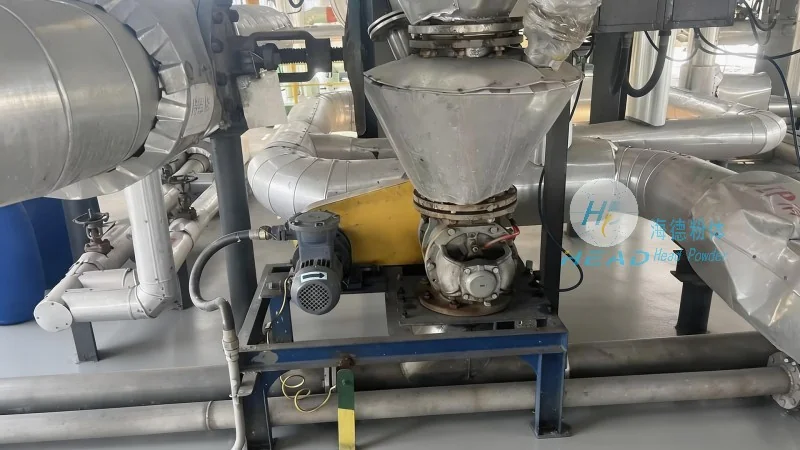
Key Considerations for Selecting the Right Pneumatic Conveying Solution
When choosing a pneumatic conveying system for granular fertilizers, several factors must be considered to ensure optimal performance and cost-effectiveness. The first consideration is the distance and layout of the conveying line. Short distances may benefit from a dilute phase system, while longer distances or those with multiple turns may require a dense phase or hybrid approach. The material characteristics, such as particle size, density, and flowability, also play a crucial role. Materials with high abrasiveness or those prone to caking may necessitate a dense phase system to minimize wear and maintain quality. Additionally, the required throughput and operational speed are important factors. High throughput applications may demand more robust systems with higher air volumes, while lower throughput needs can be accommodated with more compact solutions. Finally, the budget and maintenance requirements should be evaluated. While dilute phase systems may have lower initial costs, dense phase systems may offer better long-term performance and lower maintenance costs due to reduced equipment wear.
About Shandong HeadPowder Engineering Co., Ltd.
Shandong HeadPowder Engineering Co., Ltd. is a reputable company based in Shandong, China, specializing in the design, manufacturing, and installation of pneumatic conveying systems for various industries, including agriculture and chemical processing. With years of experience in the field, the company has developed a deep understanding of the unique challenges associated with handling granular fertilizers. Their team of engineers and technicians work closely with clients to assess their specific needs and provide customized solutions that meet both operational and budgetary requirements. The company's commitment to quality and innovation has made it a trusted partner for many fertilizer manufacturers seeking reliable and efficient material handling solutions. By leveraging advanced technology and expert knowledge, Shandong HeadPowder Engineering Co., Ltd. continues to deliver high-performance pneumatic conveying systems that enhance productivity and reduce operational costs for its clients.




