Edible salt, a fundamental ingredient in food production and preservation, requires specialized equipment for its handling and transportation. The edible salt material handling equipment is a sophisticated system engineered to manage the flow of salt from storage to processing or packaging stages. This equipment ensures the safe, efficient, and compliant transportation of salt, which is crucial for maintaining product quality and operational efficiency in food processing facilities. Understanding the design principles behind such equipment is essential for optimizing operations and meeting industry standards.

About HeadPowder Engineering Co., Ltd.
HeadPowder, a prominent manufacturer headquartered in Shandong, China, specializes in the design and production of high-quality material handling equipment for diverse industries, including food processing. With extensive experience in the field, HeadPowder has developed advanced solutions tailored to the unique requirements of clients handling edible salt and other bulk materials. The company’s dedication to quality, innovation, and customer satisfaction has established it as a trusted partner in the industry, providing reliable equipment that enhances operational efficiency and ensures product safety.
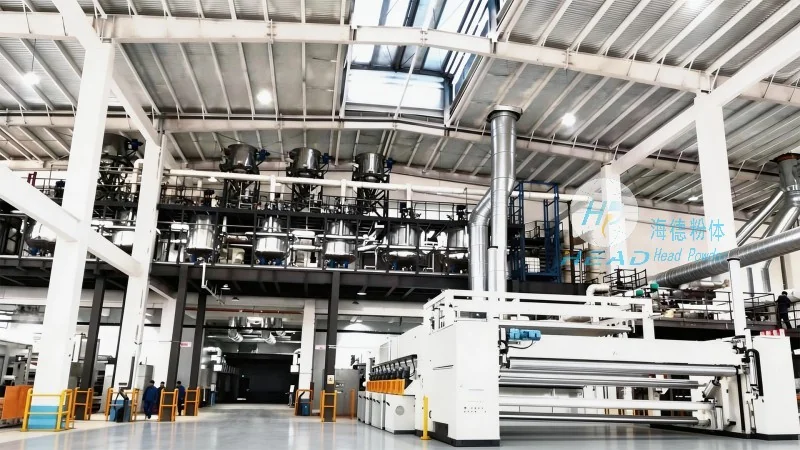
Key Design Principles of Edible Salt Material Handling Equipment
The design of edible salt material handling equipment is guided by several critical principles to ensure optimal performance, safety, and efficiency. Firstly, the equipment is constructed from materials resistant to corrosion and contamination, as salt is hygroscopic and can interact with metal surfaces. Stainless steel is commonly utilized for components in direct contact with the salt to prevent rust and maintain product purity. Secondly, the system is engineered to minimize dust generation and ensure proper ventilation, as airborne salt particles can affect air quality and worker health. This is achieved through enclosed conveyor systems and efficient dust collection mechanisms. Thirdly, the equipment is designed for easy cleaning and maintenance, which is vital for maintaining hygiene standards in food processing environments. Modular designs and accessible components allow for quick disassembly and cleaning, reducing downtime and ensuring compliance with food safety regulations. Fourthly, the system is engineered to handle the bulk nature of salt, with considerations for flow rate, capacity, and the prevention of blockages. This includes the use of appropriate conveyor types, such as belt conveyors or screw conveyors, depending on the specific application and the physical properties of the salt. The design also incorporates features like adjustable speed controls and load sensors to optimize the handling process and prevent overloading. Lastly, the equipment is designed to be energy-efficient, with considerations for motor selection and system integration to minimize operational costs while maintaining performance. These design principles collectively ensure that the edible salt material handling equipment operates reliably, safely, and efficiently, supporting the smooth functioning of food processing operations.
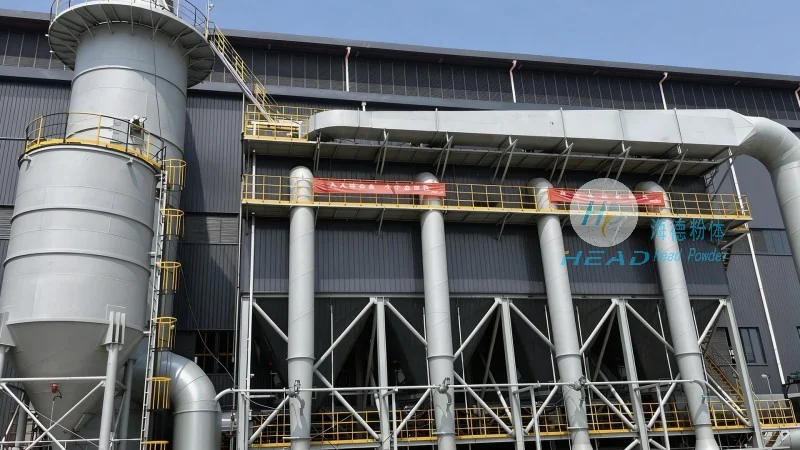
Components and Functionality of the Equipment
The edible salt material handling equipment typically consists of several key components that work in tandem to facilitate the transportation process. The primary components include storage hoppers or silos, which are designed to hold large quantities of salt and provide a consistent feed to the conveyor system. These hoppers are often equipped with level sensors to monitor the salt level and trigger replenishment as needed. The conveyor system, which may be a belt conveyor or a screw conveyor, is responsible for moving the salt from the storage area to the processing or packaging area. Belt conveyors are commonly used for horizontal or slight incline transport, while screw conveyors are ideal for vertical or more complex layouts. The conveyor system is equipped with drive mechanisms, such as electric motors, that provide the necessary power to move the salt. Additionally, the equipment includes control panels that allow operators to monitor and adjust the system parameters, ensuring smooth operation. The design also incorporates safety features, such as emergency stop buttons and overload protection, to prevent accidents and protect both the equipment and personnel. These components work together to create a seamless and efficient process for handling edible salt, from storage to final use.
Applications and Benefits in Food Processing
The edible salt material handling equipment is widely used in various food processing applications, including the production of processed foods, beverages, and seasonings. In these applications, the equipment plays a critical role in ensuring that salt is delivered to the processing line in a controlled and consistent manner. The benefits of using this equipment include improved operational efficiency, reduced labor costs, and enhanced product quality. By automating the handling process, the equipment minimizes the risk of human error and ensures that the salt is handled in a hygienic manner. This is particularly important in food processing, where contamination can have serious consequences. The equipment also helps to maintain the quality of the salt by preventing it from being exposed to moisture or other contaminants during transportation. Overall, the edible salt material handling equipment is an essential component of modern food processing facilities, contributing to the production of safe and high-quality food products.
Conclusion
In conclusion, edible salt material handling equipment is a specialized system designed to efficiently and safely transport edible salt in food processing operations. The design principles behind such equipment focus on material resistance, dust control, easy maintenance, bulk handling capabilities, and energy efficiency. Manufacturers like HeadPowder Engineering Co., Ltd. in Shandong, China, have developed advanced solutions that meet these principles and provide reliable performance. By understanding and implementing these design principles, food processing facilities can optimize their operations, ensure product safety, and maintain compliance with industry standards. The edible salt material handling equipment plays a crucial role in the food industry, supporting the production of high-quality food products and contributing to the overall efficiency of food processing operations.




