Calcium oxide, commonly known as quicklime, is a widely used industrial material in various sectors such as construction, steel production, and chemical manufacturing. The efficient and safe transportation of calcium oxide powder is crucial for industrial operations, and pneumatic conveying systems have emerged as a preferred solution. This article explores the principles underlying calcium oxide powder pneumatic conveying equipment and highlights the key characteristics of its working scenes, providing insights into how these systems enhance operational efficiency and safety in industrial applications.
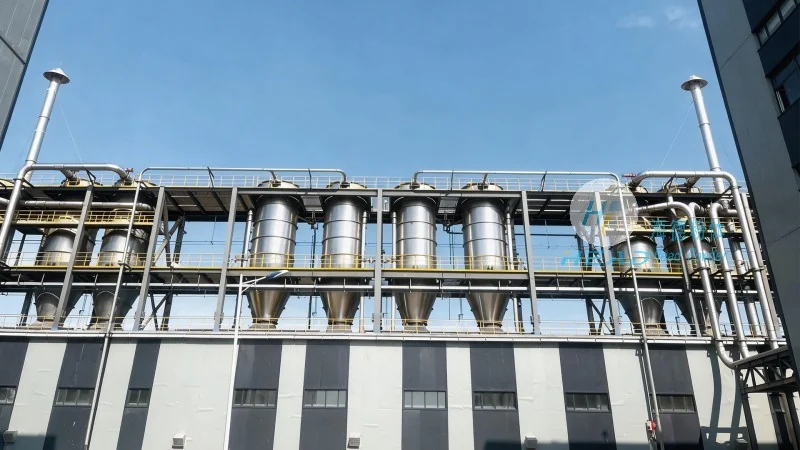
Introduction to Calcium Oxide Powder Pneumatic Conveying
HeadPowder, a leading manufacturer based in Shandong, China, specializes in the design and production of advanced pneumatic conveying equipment tailored for calcium oxide powder. The company's expertise lies in understanding the unique properties of calcium oxide, including its reactivity, dustiness, and flow characteristics, which are critical factors in the selection and optimization of conveying systems. Pneumatic conveying, as a non-contact method of material transport, offers several advantages over traditional mechanical systems, such as reduced wear and tear, lower maintenance costs, and enhanced safety by eliminating the need for manual handling of powders.
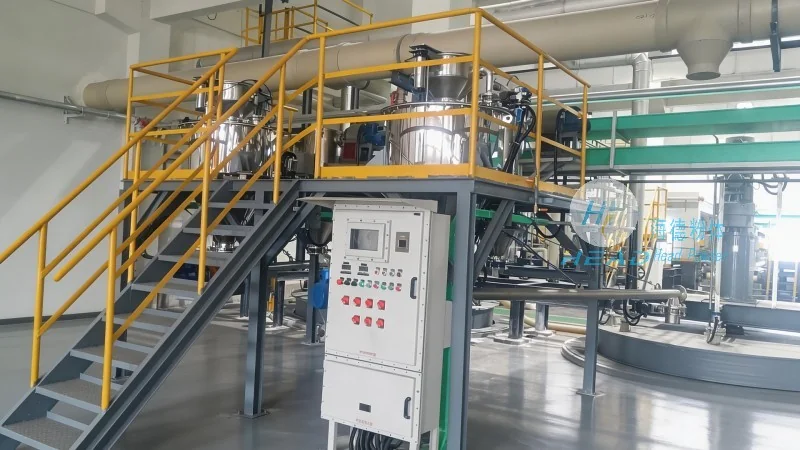
The Core Principle of Pneumatic Conveying Systems
The fundamental principle of pneumatic conveying involves the use of a gas stream, typically air or a mixture of air and other gases, to transport solid particles through a pipeline. In the case of calcium oxide powder, the system operates by creating a pressure differential between the material feed point and the discharge point. A blower or compressor generates the necessary air pressure, which draws the powder particles into the pipeline. The powder is then carried along by the moving air, forming a suspension that travels through the conveying line. The design of the system, including the type of air nozzle, pipeline diameter, and velocity, is critical to ensure efficient and stable transport. For calcium oxide powder, which is prone to agglomeration and dust generation, specialized components like rotary valves, airlocks, and dust collectors are incorporated to maintain consistent flow and prevent material degradation.
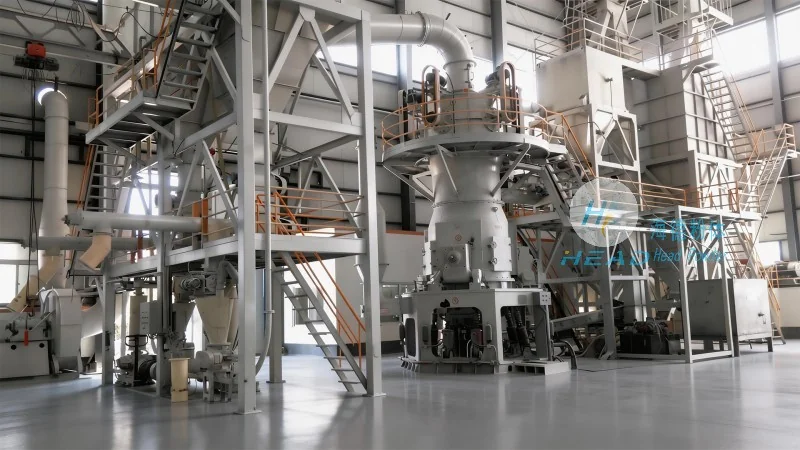
Key Working Scene Characteristics of Calcium Oxide Powder Pneumatic Conveying
The working scene characteristics of calcium oxide powder pneumatic conveying systems are influenced by several factors, including the application environment, material handling requirements, and operational conditions. These characteristics are essential for optimizing the system's performance and ensuring compliance with safety and regulatory standards. One of the primary characteristics is the need for a controlled environment to manage dust emissions. Calcium oxide is a fine powder that can generate significant dust during handling, which poses health risks and environmental concerns. Therefore, the system design incorporates dust collection and filtration systems to capture and neutralize airborne particles, ensuring a safe working atmosphere. Additionally, the system must be capable of handling varying flow rates and material loads, as industrial processes often require flexible and scalable conveying solutions. The working scene may also involve integration with other industrial equipment, such as storage silos, mixers, and processing units, necessitating seamless coordination and control systems.
Advantages and Applications in Industrial Settings
Calcium oxide powder pneumatic conveying equipment offers numerous advantages in industrial settings, making it a preferred choice for companies dealing with calcium oxide. The primary benefits include improved material handling efficiency, reduced labor costs, and enhanced safety. By eliminating manual handling, the system minimizes the risk of dust exposure and accidents, thereby improving workplace safety. Additionally, the non-contact nature of pneumatic conveying reduces material degradation and contamination, ensuring the quality of the calcium oxide powder is maintained throughout the transport process. The system's flexibility allows for easy integration into existing industrial setups, making it suitable for both new installations and retrofitting in existing facilities. Applications of these systems are widespread, including the transport of calcium oxide from storage silos to processing units in steel plants, the delivery of quicklime to construction sites for concrete production, and the transfer of powder to chemical reactors in pharmaceutical manufacturing. The versatility of the system makes it adaptable to various industrial requirements, from small-scale operations to large-scale production facilities.
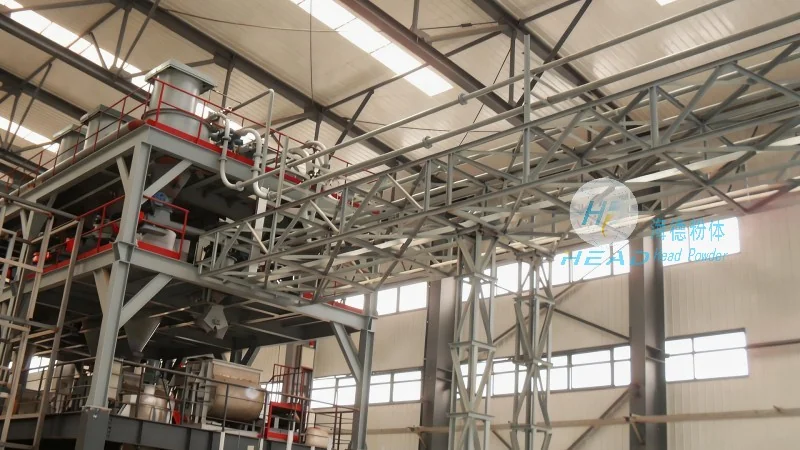
Conclusion and Future Outlook
In conclusion, calcium oxide powder pneumatic conveying equipment, as developed by companies like Shandong HeadPowder Engineering Co., Ltd., represents a sophisticated solution for the efficient and safe transport of calcium oxide powder in industrial applications. The principles of pneumatic conveying, combined with specialized design considerations for calcium oxide's properties, ensure optimal performance and reliability. The working scene characteristics, including dust control, material handling flexibility, and integration with other equipment, are crucial for maximizing the benefits of these systems. As industrial demands for efficient material transport continue to grow, the role of pneumatic conveying systems in calcium oxide handling is likely to expand, driven by advancements in technology and increasing emphasis on safety and operational efficiency. The expertise of manufacturers like HeadPowder in designing tailored solutions will remain vital in meeting the evolving needs of the industry.




