Sub-zinc oxide, a critical intermediate in the zinc production process, necessitates efficient and reliable material handling solutions to ensure seamless industrial operations. The pneumatic conveying equipment engineered for sub-zinc oxide transport plays a pivotal role in modern metallurgical plants, offering a cost-effective and safe method for moving this specific material. This article explores the fundamental principles behind such equipment and examines the typical working scenarios where it is most effectively applied.
Core Principles of Pneumatic Conveying for Sub-Zinc Oxide
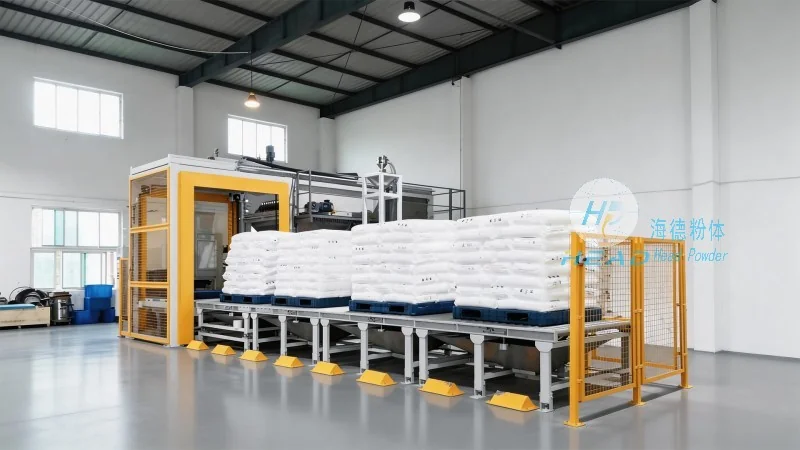
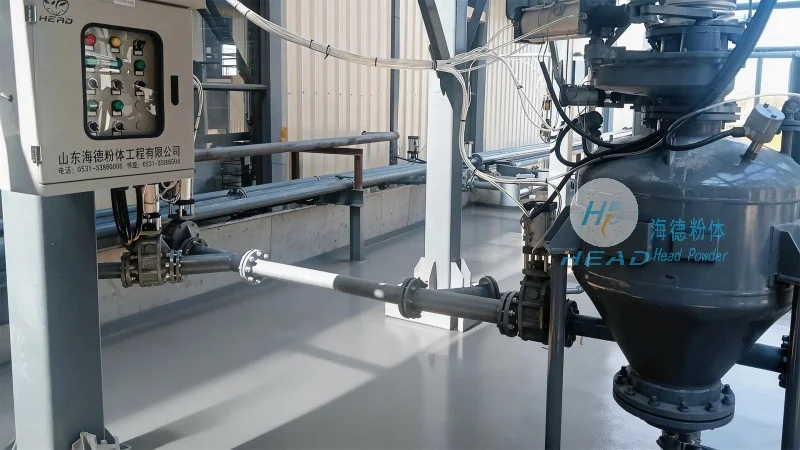
The operation of sub-zinc oxide pneumatic conveying systems is based on the principle of utilizing air or gas as the conveying medium to transport solid particles. Unlike traditional mechanical conveying methods, which rely on belts, buckets, or screws, pneumatic systems employ pressure differentials to move materials through pipelines. For sub-zinc oxide, often in a fine powder or granular form, this method is particularly advantageous due to the material's sensitivity to moisture and the need for minimal contamination. The system typically comprises a feeding hopper, a rotary valve or feeder, a conveying pipeline, a receiver, and a dust collection system. The feeding hopper holds the sub-zinc oxide, while the rotary valve controls the flow rate, ensuring consistent feed into the pipeline. As air is introduced, it creates a low-pressure zone that draws the sub-zinc oxide particles into the stream, forming a dense phase or dilute phase flow based on system design. The choice between dense phase and dilute phase conveying is critical for sub-zinc oxide, as it impacts material velocity, pressure drop, and overall efficiency. Dense phase conveying involves higher air-to-material ratios, resulting in slower velocities and lower pressure drops, beneficial for fine powders prone to segregation or agglomeration. Dilute phase conveying uses lower air-to-material ratios, enabling higher velocities and greater throughput, suitable for larger particles or space constraints. The selection depends on particle size distribution, moisture content, and conveying distance. Pipeline design, including diameter and length, is optimized to minimize pressure losses and ensure material reaches the receiver without degradation. The receiver, where sub-zinc oxide is deposited, includes a dust collection system to capture fine particles, maintaining environmental compliance and product quality. The entire system is controlled by a programmable logic controller (PLC), monitoring pressure, flow rates, and temperature to ensure stable operation and prevent equipment damage or material loss.
Key Working Scene Characteristics
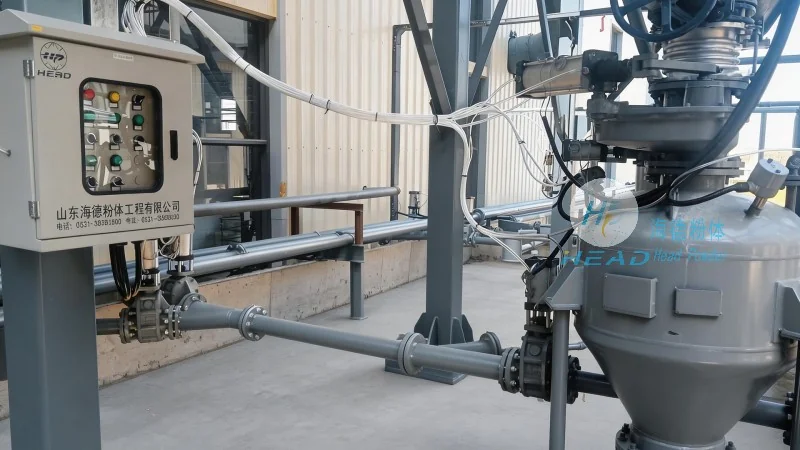
The application of sub-zinc oxide pneumatic conveying equipment is defined by specific working scenarios that highlight its advantages over other material handling methods. A primary scenario is in zinc smelting and refining plants, where sub-zinc oxide is produced as a byproduct and must be transported to storage or further processing units. In such industrial settings, the equipment must handle large volumes with minimal downtime, as interruptions impact production schedules. The system's continuous operation, with low maintenance needs, makes it ideal for 24/7 metallurgical plant operations. Another key scenario is in the chemical processing industry, where sub-zinc oxide serves as a precursor for zinc-based compounds. Here, the equipment must ensure material is conveyed without contamination, as trace impurities affect final product quality. Use of stainless steel or corrosion-resistant materials in pipelines and components is crucial for product purity. The equipment is often integrated with other processing units, forming a seamless production line. This integration allows real-time monitoring of material flow, enabling dynamic parameter adjustments based on production demands. The working scene also involves flexibility in conveying distances, as sub-zinc oxide may need to be transported from plant parts or to off-site storage. Modular design of pneumatic systems allows easy expansion or reconfiguration, adapting to changing production needs. Additionally, the system's adaptability to varying material properties, such as particle size or moisture changes, is a significant advantage. This ensures efficient operation even when material characteristics evolve over time, common in industrial processes. The working scene also considers safety and environmental factors. Pneumatic systems are safer than mechanical ones, eliminating moving parts that cause accidents. The dust collection system not only complies with environmental regulations but also protects material from contamination, enhancing quality for downstream applications. Overall, working scene characteristics of sub-zinc oxide pneumatic conveying equipment are defined by efficiency, reliability, and adaptability, making it a preferred choice in modern industrial applications.
Technical Advantages and Considerations
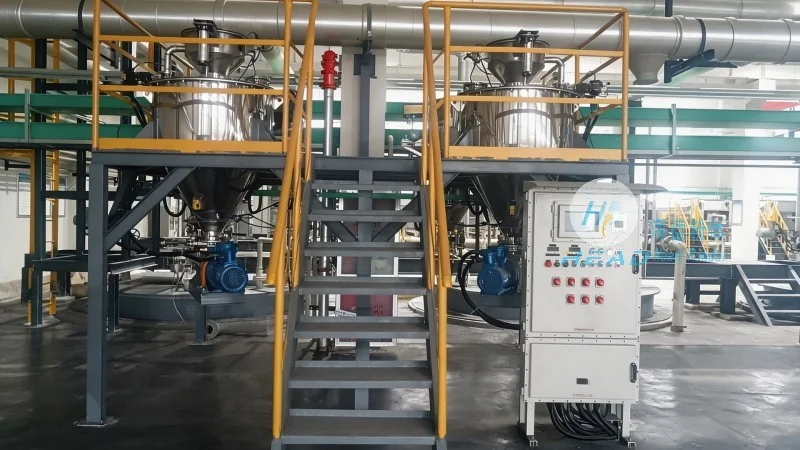
When evaluating sub-zinc oxide pneumatic conveying equipment, several technical advantages and considerations must be addressed. A primary advantage is the system's ability to handle fine powders without segregation or agglomeration. This is achieved through feeding hopper design and air flow control, ensuring uniform material conveyance. The system also offers high throughput, transporting large volumes rapidly, beneficial in high-production environments. Another advantage is lower maintenance compared to mechanical systems, as no moving parts contact the material, reducing wear and tear, and lowering costs and extending lifespan. The system's compact design is another advantage, occupying less space than traditional conveyors, suitable for plants with limited floor space. However, challenges include pipeline pressure drop, which increases energy consumption and reduces efficiency. This is mitigated by careful pipeline diameter and length design to minimize losses. Use of smooth, corrosion-resistant materials for pipelines and components prevents blockages and ensures consistent flow. Another consideration is proper dust collection and filtration for environmental compliance and product quality. The system must have high-efficiency filters to capture fine particles, preventing environmental release. Additionally, the control system must be robust and reliable, as malfunctions cause material loss or equipment damage. Use of PLCs and sensors allows real-time monitoring and automatic adjustments, enhancing performance and reducing downtime. Technical advantages of sub-zinc oxide pneumatic conveying equipment, when properly designed and maintained, make it a cost-effective and efficient solution for material handling in various industrial applications. The system's ability to handle fine powders, high throughput, low maintenance, and adaptability positions it as a preferred choice for modern metallurgical and chemical plants.




