Aluminum foil powder conveying systems are specialized equipment designed to handle the unique challenges of transporting aluminum foil powders. These systems are critical in industrial applications where efficient and reliable material handling is essential. The design and operation of such systems are tailored to address the specific properties of aluminum foil powders, including their fine particle size, potential for static charge accumulation, and sensitivity to moisture and contamination.
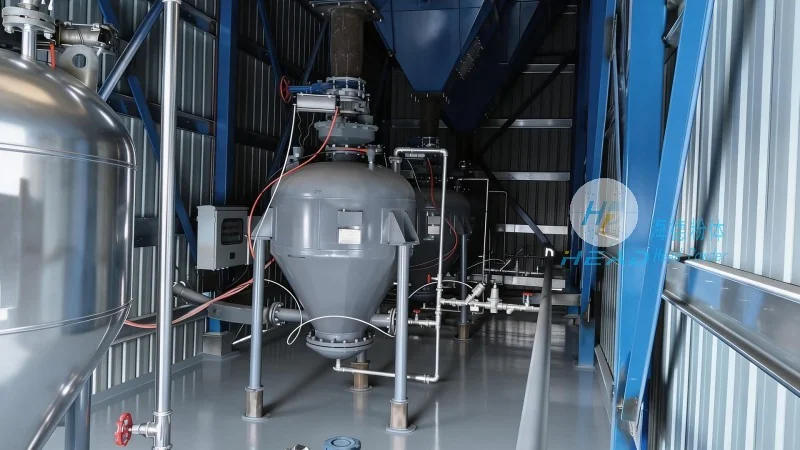
Key Components and Structural Design
The core components of an aluminum foil powder conveying system typically include a hopper for material storage, a feeder mechanism to control the flow rate, a conveying tube or duct, and a discharge unit. The hopper is often equipped with a lining to prevent material buildup and ensure smooth discharge. The feeder, such as a rotary valve or a screw feeder, regulates the amount of powder entering the conveying line, preventing overloading and maintaining consistent flow. The conveying tube is usually made of materials that are compatible with aluminum foil powders, such as stainless steel or specialized polymers, to avoid chemical reactions or contamination. The discharge unit may include a filter or a dust collection system to ensure that the material is delivered in a clean and controlled manner.
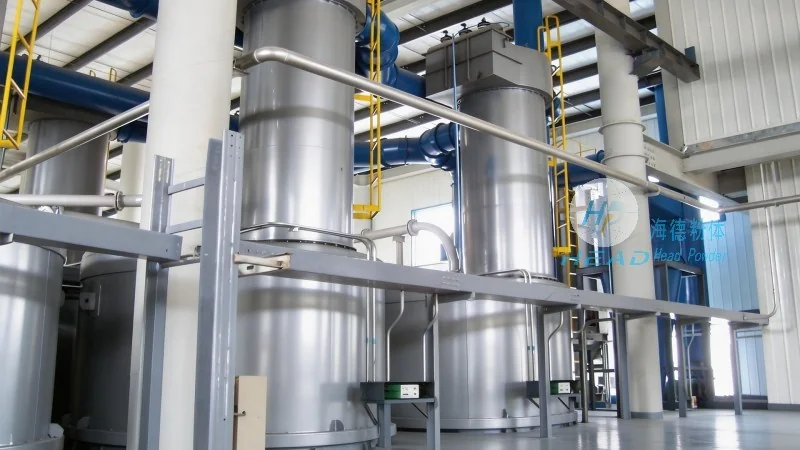
Operating Principle and Flow Dynamics
The operation of aluminum foil powder conveying systems relies on the principles of pneumatic or mechanical conveying. In pneumatic systems, compressed air is used to create a flow that moves the powder through the conveying tube. The air velocity and pressure are carefully controlled to ensure that the powder particles are carried without causing excessive wear or degradation. Mechanical systems, on the other hand, use rotating components like screws or belts to move the powder along the conveying path. Both methods aim to maintain a consistent flow rate and prevent blockages or clogging, which can be common issues with fine powders like aluminum foil.
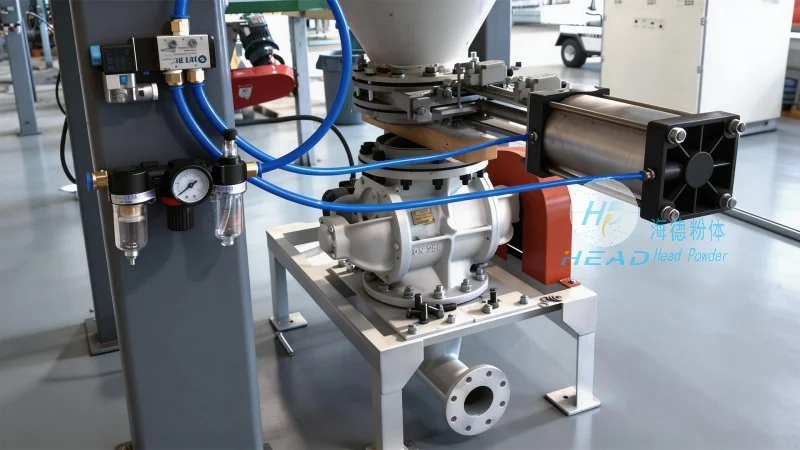
Advantages and Applications
Aluminum foil powder conveying systems offer several advantages in industrial settings. They provide a clean and hygienic method of transporting materials, which is particularly important in food processing or pharmaceutical industries where contamination control is paramount. The systems also offer high efficiency and reliability, with minimal downtime due to their robust design. Additionally, they can handle a wide range of powder characteristics, making them versatile for various applications. Common applications include the transport of aluminum foil powders in chemical manufacturing, metal processing, and material handling in research and development facilities.
Maintenance and Operational Considerations
Proper maintenance is crucial for the longevity and efficiency of aluminum foil powder conveying systems. Regular cleaning of the hopper, feeder, and conveying tube is necessary to prevent material buildup and ensure smooth operation. The system should also be checked for any signs of wear or damage, such as leaks or corrosion, which can affect performance. Operational considerations include monitoring the flow rate and pressure to ensure optimal performance and preventing overloading or underloading of the system. Proper training of operators is also essential to ensure that the system is used correctly and safely.
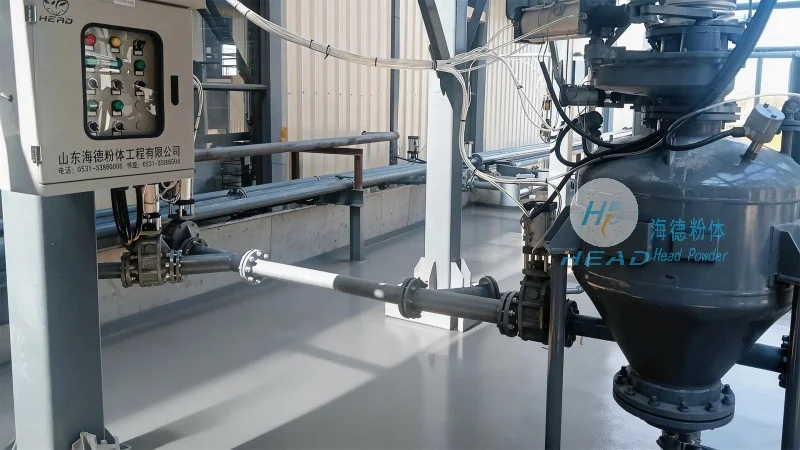
About Shandong HeadPowder Engineering Co., Ltd.
Shandong HeadPowder Engineering Co., Ltd., operating under the brand name headpowder, specializes in the design and manufacturing of advanced powder handling equipment. With a focus on innovation and quality, the company provides customized solutions for various industrial applications. Headpowder's expertise in aluminum foil powder conveying systems ensures that clients receive reliable and efficient equipment tailored to their specific needs. The company's commitment to customer satisfaction and technical excellence has made it a trusted partner in the industry.




