Introduction to Dust and Powder Conveying: Structure and Principle Explanation
Release time:2026-09-22 02:01:42
name of the company:Shandong Headpowder Engineering Co., Ltd.
telephone:156-6277-7102
contacts:Zhang manager
Efficient handling of dust and powder materials is a critical aspect of industrial operations across various sectors. The ability to transport these fine particulate materials safely and effectively is essential for maintaining productivity, ensuring compliance with safety regulations, and optimizing process efficiency. This overview provides a detailed introduction to dust and powder conveying systems, focusing on their structural components and operational principles.
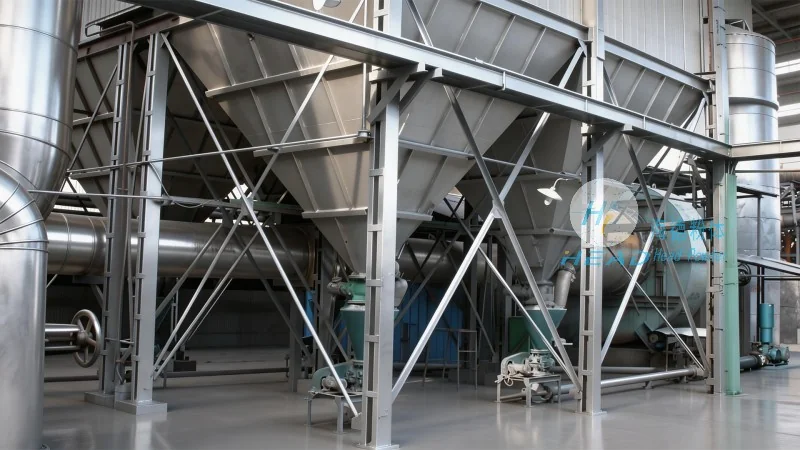
Key Structural Components of Conveying Systems
Conveying systems for dust and powders typically consist of several core components that work in tandem to achieve reliable material transport. The primary elements include the feed hopper, which serves as the initial collection point for the material, ensuring a consistent flow into the system. A critical component is the conveyor itself, which may be pneumatic or mechanical, depending on the material properties and operational requirements. Pneumatic conveying systems utilize air pressure to move particles through pipelines, while mechanical systems employ screws, belts, or buckets to transport materials. Additionally, the system includes control valves and regulators that manage air pressure and flow rates, ensuring precise control over the conveying process. A dust filter or cyclone separator is often integrated to capture and recycle fine particles, preventing environmental contamination and maintaining system efficiency.
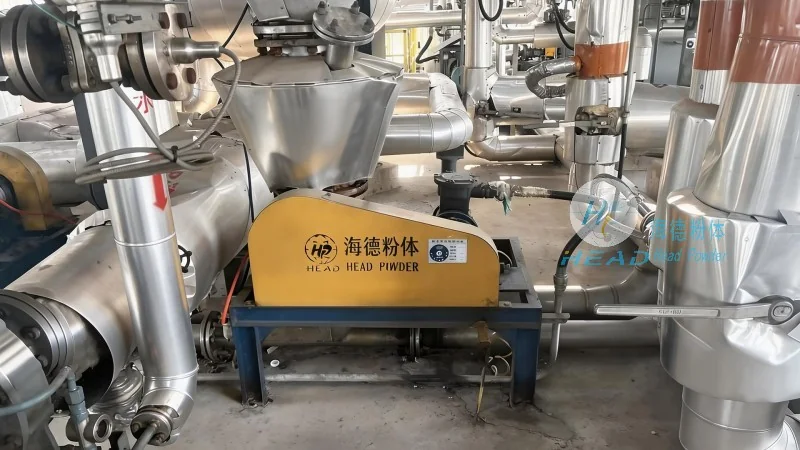
Operational Principles of Dust and Powder Conveying
The fundamental principle of dust and powder conveying revolves around the movement of particles through a controlled environment. In pneumatic systems, the material is suspended in a stream of air, which transports it from the source to the destination. The air velocity must be sufficient to overcome the gravitational forces acting on the particles, ensuring they remain in suspension. Mechanical systems, such as screw conveyors, rely on the rotational motion of a screw to push particles forward, leveraging friction and gravity to facilitate transport. The design of the conveyor geometry, including the pitch and diameter of screws or the angle of incline, is crucial for optimizing material flow and preventing blockages. Proper maintenance of these components, including regular cleaning and inspection, is essential to maintain system performance and longevity.
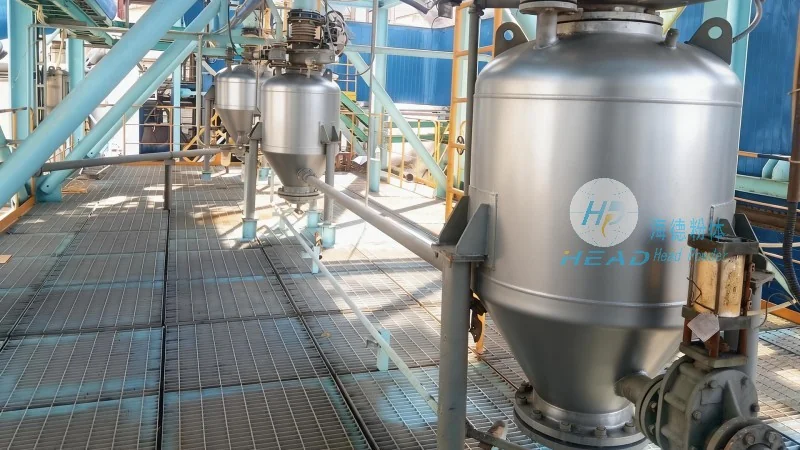
About Shandong HeadPowder Engineering Co., Ltd.
Shandong HeadPowder Engineering Co., Ltd., commonly known as HeadPowder, is a leading provider of specialized equipment and solutions for dust and powder handling. With a focus on innovation and customer-centric design, the company has established itself as a trusted partner in the industry. HeadPowder’s expertise lies in the development and manufacturing of high-quality conveying systems tailored to the unique needs of various applications, including food processing, pharmaceuticals, and chemical manufacturing. The company’s commitment to quality and reliability is reflected in its adherence to international standards and rigorous testing protocols. HeadPowder’s facilities are located in Shandong, China, where the company leverages local resources and expertise to deliver cutting-edge solutions to global markets.




