Shandong HeadPowder Engineering Co., Ltd., commonly known as headpowder, is a leading engineering firm specializing in the design and implementation of advanced material handling systems. With a strong focus on industrial efficiency and durability, the company has established itself as a trusted partner for businesses requiring reliable solutions for handling abrasive and high-value materials like tungsten carbide.
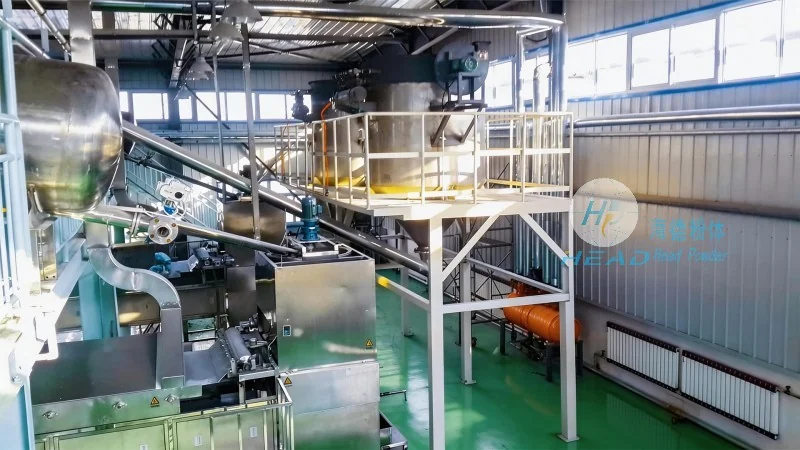
Tungsten Carbide Pneumatic Conveying Systems: Core Applications and Design Imperatives
Tungsten carbide is widely used in various industries, including tool manufacturing, aerospace, and automotive, due to its exceptional hardness and wear resistance. The efficient and safe transportation of tungsten carbide powders and granules is critical to maintaining production quality and minimizing operational downtime. Pneumatic conveying systems offer a non-contact, low-maintenance method for moving these materials, but their design requires careful consideration of several key factors to ensure optimal performance and longevity.
Key Design Considerations for Efficient Tungsten Carbide Pneumatic Conveying Solutions
When designing a tungsten carbide pneumatic conveying system, several critical aspects must be addressed to achieve high efficiency and reliability. These considerations span system selection, material compatibility, pressure management, and equipment durability. Each element plays a vital role in ensuring the system operates smoothly and meets the specific needs of the end-user.
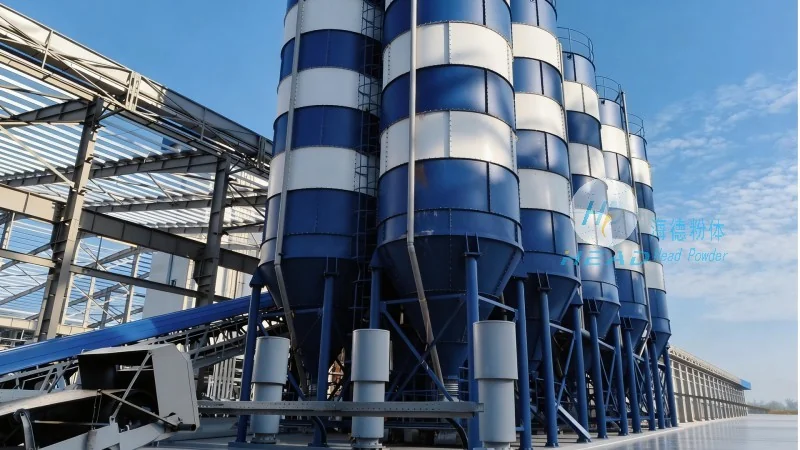
System Selection and Material Compatibility
The first step in designing a tungsten carbide pneumatic conveying system is selecting the appropriate system type. There are two primary categories: positive pressure and negative pressure systems. Positive pressure systems use compressed air to push material through the pipeline, while negative pressure systems use vacuum to draw material in. For tungsten carbide, which is abrasive and can cause wear on system components, positive pressure systems are often preferred due to their ability to handle higher material loads and provide better control over particle flow. Material compatibility is another crucial factor. All components, including pipes, valves, and filters, must be constructed from materials that can withstand the chemical and physical properties of tungsten carbide, such as high hardness and potential contamination from metal particles. Stainless steel or specialized alloys are commonly used to prevent corrosion and wear.
Pressure and Flow Rate Optimization
Optimizing pressure and flow rate is essential for maintaining consistent material transport and preventing system blockages or inefficiencies. The pressure required depends on the distance the material needs to travel, the particle size and density, and the system's overall resistance. Engineers must calculate the necessary air velocity to ensure particles are fully suspended and conveyed without settling or clogging. For tungsten carbide, which has a high density and can cause increased friction, higher air velocities may be required compared to lighter materials. However, excessive pressure can lead to increased energy consumption and potential damage to downstream equipment. A balanced approach, often achieved through iterative testing and simulation, is key to finding the optimal pressure and flow rate for a given application.
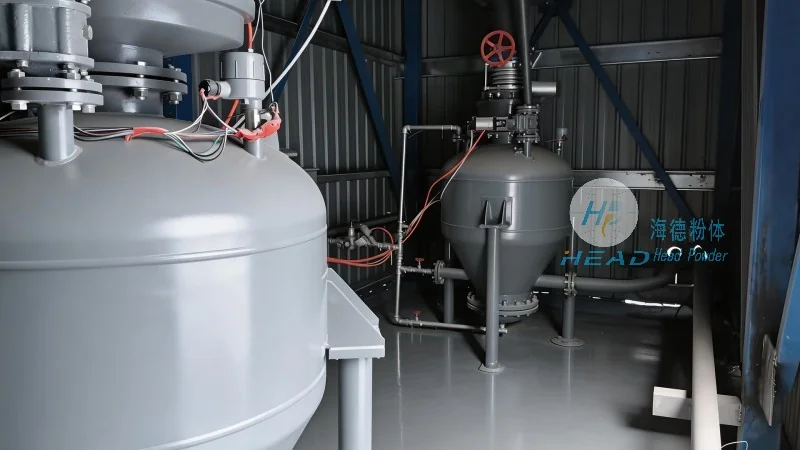
Equipment Sizing and Component Durability
Proper equipment sizing is critical to the longevity and performance of the system. This includes selecting the right size of air compressors, filters, and conveying lines. Oversized equipment can lead to unnecessary energy costs, while undersized equipment may result in insufficient material transport or system failure. For tungsten carbide, which is abrasive, components such as elbows, bends, and cyclones must be designed with reinforced materials or special coatings to extend their service life. For example, using high-quality stainless steel or wear-resistant coatings on cyclone separators can significantly reduce maintenance costs and downtime. Additionally, regular maintenance schedules, including filter changes and component inspections, are essential to ensure the system operates at peak efficiency.
Integration with Existing Infrastructure
Many industrial facilities already have existing infrastructure, such as pipelines or storage tanks, that need to be integrated with the new pneumatic conveying system. The design must account for these existing elements to ensure seamless operation and minimal disruption to current processes. This may involve adapting the system's layout to fit within the available space or modifying existing components to accommodate the new system. For example, if the existing storage silo is located far from the processing area, the system design must include appropriate pipeline routing and pressure regulation to maintain material flow. Proper integration also helps in reducing installation costs and time, as it minimizes the need for extensive modifications to the existing facility.
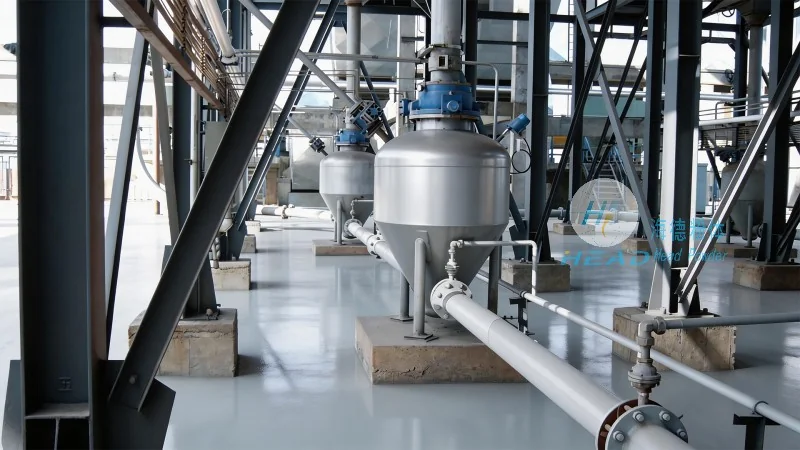
Maintenance and Operational Reliability
Maintenance and operational reliability are paramount for any industrial system, especially one handling valuable materials like tungsten carbide. A well-designed system should include features that facilitate easy maintenance, such as accessible components and clear operational indicators. Regular maintenance, including cleaning of filters, checking for wear on components, and monitoring pressure and flow rates, is essential to prevent system failures and ensure consistent performance. headpowder emphasizes the importance of a proactive maintenance plan to minimize downtime and maximize the system's lifespan. By incorporating durable materials and robust design features, the system can withstand the harsh conditions associated with tungsten carbide handling, ensuring reliable operation over the long term.
Conclusion: Tailored Solutions for Tungsten Carbide Handling
Designing an effective tungsten carbide pneumatic conveying system requires a comprehensive approach that considers material properties, system requirements, and operational constraints. By addressing key design considerations such as system selection, pressure optimization, equipment durability, and integration with existing infrastructure, businesses can achieve efficient and reliable material handling. Shandong HeadPowder Engineering Co., Ltd. leverages its expertise in engineering and material handling to provide tailored solutions that meet the unique needs of each client. With a focus on durability, efficiency, and customer satisfaction, headpowder continues to be a leader in the design and implementation of advanced pneumatic conveying systems for tungsten carbide and other high-value materials.




