For industrial applications requiring efficient and reliable material handling, the design of a potassium carbonate pneumatic conveying system is a critical step. This article outlines key design considerations to ensure optimal performance, safety, and longevity of the system, presented by Shandong HeadPowder Engineering Co., Ltd., a leading provider in the field, based in Shandong, China.
Understanding the Core Requirements of Potassium Carbonate Handling
Potassium carbonate, commonly used in chemical manufacturing, food processing, and pharmaceutical industries, presents unique challenges during material transport. Its physical properties, such as particle size, moisture content, and flowability, directly impact the selection of pneumatic conveying technology. A well-designed system must account for these variables to prevent blockages, ensure consistent flow rates, and maintain product integrity.
System Components and Their Functional Roles
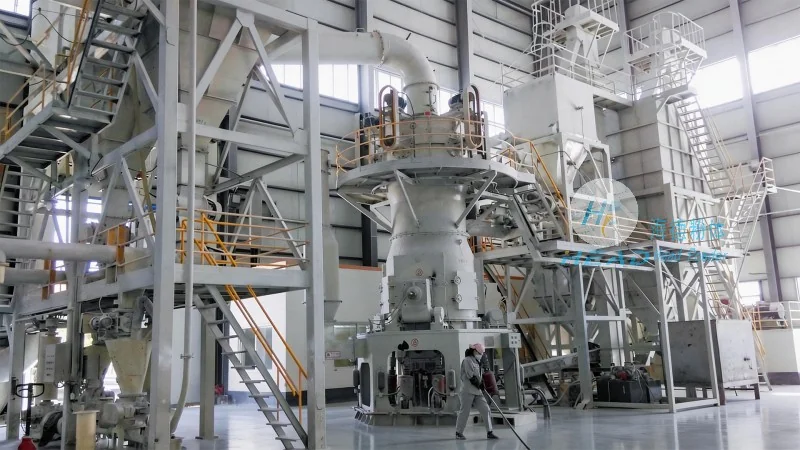
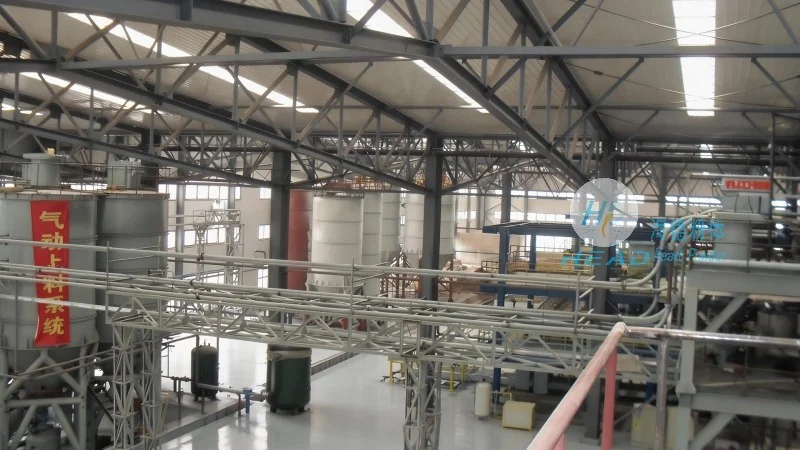
The pneumatic conveying system for potassium carbonate typically comprises several essential components, each playing a vital role in the overall operation. These include the material feed hopper, which stores and feeds the bulk material; the air supply system, responsible for generating the necessary pressure and airflow; the conveying line, which transports the material from the source to the destination; and the receiver, where the material is deposited. Each component must be carefully selected and integrated to ensure seamless operation.
Key Design Considerations for Efficient Conveying
Several factors must be considered during the design phase to achieve efficient and reliable operation. First, the selection of the conveying method—whether dense phase or dilute phase—is crucial. Dense phase conveying is often preferred for potassium carbonate due to its ability to handle fine powders and minimize product degradation. This method involves low air velocity and high material concentration, reducing the risk of particle attrition and caking. Second, the system's pressure and flow rate must be optimized to match the material's characteristics and the distance between the feed and discharge points. Proper sizing of the air compressor and conveying line diameter is essential to avoid excessive energy consumption or pressure drops. Third, the inclusion of a dust collection system is vital for maintaining air quality and complying with environmental regulations. This system captures any airborne particles, preventing contamination and ensuring a clean working environment.
Material Handling Safety and Compliance
Ensuring the safety of personnel and compliance with industry standards is a top priority in the design of any material handling system. For potassium carbonate, which may be used in sensitive applications, the system must be designed to prevent dust explosions. This involves implementing explosion-proof components, such as spark arrestors and pressure relief valves, and maintaining proper ventilation. Additionally, the system should incorporate safety features like emergency shut-off valves and overload protection to prevent accidents during operation. Compliance with local regulations, including those related to occupational health and safety, is also essential to ensure the system meets all legal requirements.
Longevity and Maintenance Considerations
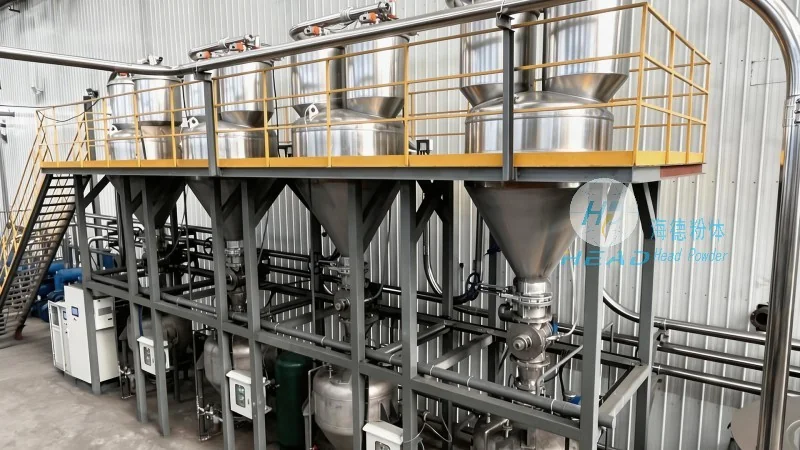
A well-designed pneumatic conveying system not only performs efficiently but also requires minimal maintenance to ensure long-term reliability. Materials used in the construction of the system, such as stainless steel or corrosion-resistant alloys, are recommended to withstand the chemical properties of potassium carbonate and prevent degradation over time. Regular maintenance, including cleaning of the conveying line, inspection of components, and replacement of worn parts, is crucial to maintain system performance. A preventive maintenance schedule should be established to identify and address potential issues before they lead to system failures. By prioritizing maintenance, the system's lifespan can be extended, reducing downtime and operational costs.
Customization and Scalability for Diverse Applications
Shandong HeadPowder Engineering Co., Ltd. specializes in providing customized pneumatic conveying solutions tailored to the specific needs of each client. Whether the application involves small-scale laboratory operations or large-scale industrial production, the system can be scaled to meet the requirements. The company's expertise in material handling allows for the integration of additional features, such as automated feeding systems or material weighing scales, to enhance operational efficiency. Customization also includes the selection of appropriate materials of construction, ensuring compatibility with the specific properties of potassium carbonate. This flexibility allows clients to optimize their material handling processes while maintaining cost-effectiveness.




