HeadPowder Engineering, a leading provider of pneumatic conveying solutions, specializes in the design and implementation of systems tailored for the safe and efficient handling of styrene. With a strong focus on engineering excellence and adherence to industry best practices, the company delivers customized solutions that meet the unique demands of styrene processing and material transport. Based in Shandong, China, HeadPowder Engineering leverages decades of experience to address the challenges associated with pneumatic conveying of this volatile and hazardous material.
Key Design Considerations for Styrene Pneumatic Conveying Systems
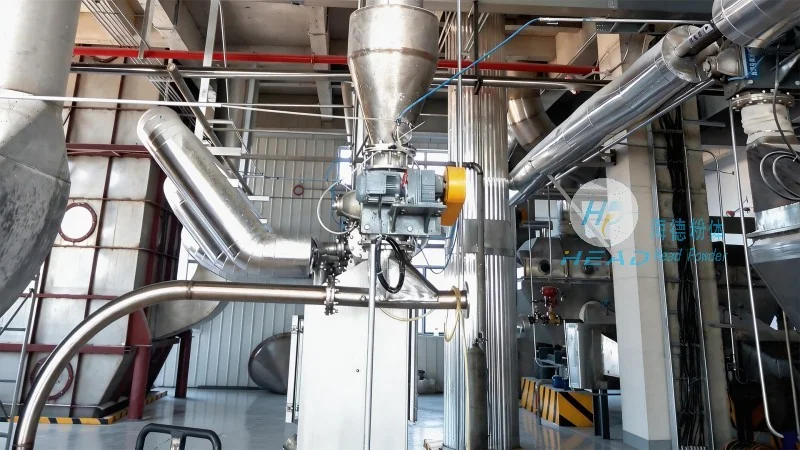
When designing a styrene pneumatic conveying system, several critical factors must be considered to ensure optimal performance, safety, and reliability. The first and foremost is the material's physical and chemical properties. Styrene is a flammable liquid with a low flash point, making it highly sensitive to ignition sources. Therefore, the system design must incorporate robust explosion-proof components and effective static discharge measures to prevent accidents. This includes the use of explosion-proof motors, proper grounding of equipment, and the installation of flame arrestors in the conveying lines.
Another crucial aspect is the system layout and component integration. The design must account for the required conveying distance, elevation changes, and the volume of material to be handled. The selection of the appropriate air velocity and pressure is vital to maintain consistent flow and prevent material degradation or blockages. For instance, the use of positive pressure systems is common for styrene, as they provide better control over the material's movement and reduce the risk of dust accumulation or product contamination.
System Layout and Component Integration
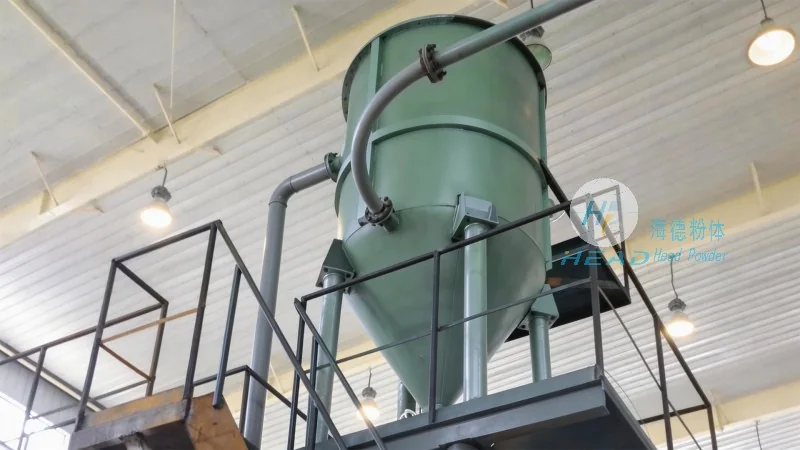
The layout of a styrene pneumatic conveying system involves careful planning of the conveying lines, air source, and receiving equipment. The system typically consists of a blower or compressor, a hopper for material storage, a feeder to control the material flow, and a receiver to collect the conveyed material. The design must ensure that the air and material are mixed efficiently to achieve a stable suspension, which is essential for preventing material buildup and ensuring smooth transport. Additionally, the system should include filtration and separation components to remove any fines or contaminants from the air stream, protecting downstream equipment and maintaining product purity.
Material Handling Efficiency and Safety Measures
Efficiency in material handling is achieved through optimized air flow rates and system pressure. The velocity of the air in the conveying line is a key parameter, as it must be high enough to keep the material in suspension but low enough to avoid excessive wear on the equipment and to prevent product degradation. The system design also considers the impact of temperature and humidity on the material's properties, as these factors can affect its viscosity and flow characteristics. Safety measures are integrated throughout the system, including emergency shut-off valves, pressure relief devices, and monitoring systems that alert operators to any anomalies in the process.
Customization and Scalability for Diverse Applications
HeadPowder Engineering offers customized solutions that can be scaled to meet the specific needs of different applications, from small-scale laboratory setups to large industrial production lines. The systems can be designed for short-distance transport within a facility or for long-distance conveying between different locations. The company works closely with clients to understand their operational requirements, such as the desired throughput, material handling capacity, and environmental constraints, and then develops a tailored system that maximizes efficiency while minimizing operational costs. This customization ensures that the system is not only effective but also cost-efficient and easy to maintain.
Maintenance and Operational Reliability
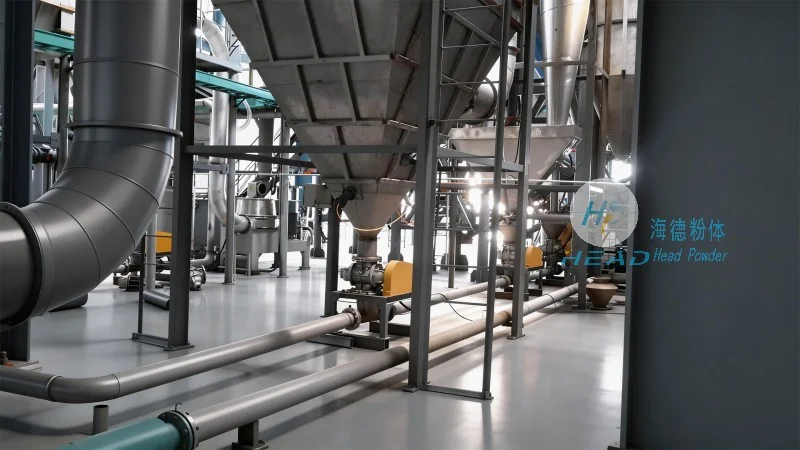
Reliability is a top priority in the design and operation of styrene pneumatic conveying systems. Regular maintenance is essential to ensure the system's longevity and performance. This includes routine checks of the blower and compressor, cleaning of the filter and hopper, and inspection of the conveying lines for any signs of wear or damage. The use of high-quality materials and components, such as corrosion-resistant metals and durable seals, helps to extend the system's lifespan and reduce the frequency of maintenance. Additionally, the system is equipped with monitoring and control systems that allow operators to track performance metrics and detect any issues early, minimizing downtime and ensuring continuous operation.
Compliance with Industry Standards and Regulations
HeadPowder Engineering ensures that all its styrene pneumatic conveying systems comply with relevant industry standards and regulations. This includes adherence to safety standards such as ATEX for explosion-proof equipment and OSHA guidelines for workplace safety. The company also follows environmental regulations to minimize the impact of the system on the environment, such as proper filtration of exhaust air and the prevention of material spills. By adhering to these standards, HeadPowder Engineering provides clients with systems that are not only effective but also safe, reliable, and environmentally responsible.




