For industrial applications requiring efficient and reliable transport of ammonium sulfate, the design of a pneumatic conveying system is critical to operational success. This article outlines key design considerations for such systems, presented by Shandong HeadPowder Engineering Co., Ltd., a leading provider in the field. With headquarters in Shandong, China, HeadPowder specializes in engineering solutions tailored to the unique challenges of handling ammonium sulfate, ensuring optimal performance and safety in material transport processes.
Understanding the Core Components of a Pneumatic Conveying System
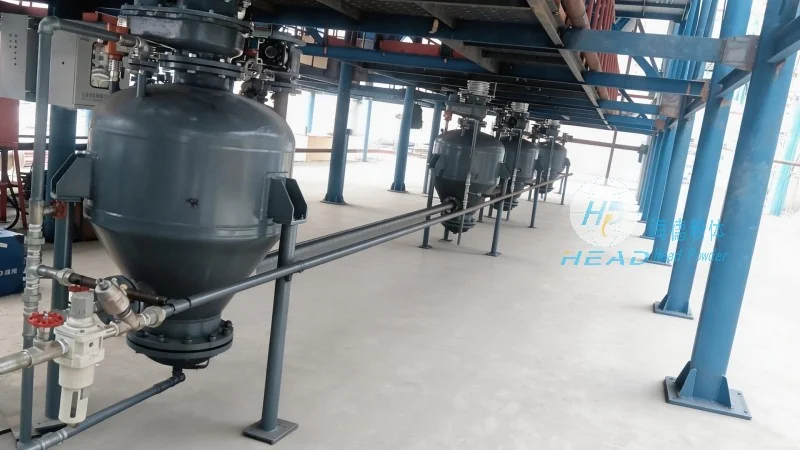
A pneumatic conveying system for ammonium sulfate typically consists of several interconnected components that work in harmony to achieve effective material transport. The primary elements include a hopper or feed bin to store the material, a feeder mechanism to control the flow rate, a conveying line (often equipped with airlocks or rotary valves), a dust collector to manage airborne particles, and a receiver or discharge point for the material. Each component must be carefully selected and integrated to ensure the system operates efficiently and safely, especially when dealing with a material like ammonium sulfate, which can have specific handling characteristics.
Material Properties and Their Impact on System Design
Ammonium sulfate is a crystalline solid with certain physical and chemical properties that influence the design of the pneumatic conveying system. Key properties include its bulk density, particle size distribution, moisture content, and flowability. These characteristics affect the air velocity required for conveying, the pressure drop across the system, and the potential for material bridging or caking in the hopper. For instance, if the material has a high moisture content, it may lead to increased friction and reduced flow, necessitating adjustments in the feeder design or the use of additives to improve flowability. Understanding these properties allows engineers to select appropriate equipment, such as high-capacity feeders or airlock valves, to maintain consistent material flow and prevent system blockages.
System Sizing and Airflow Calculations
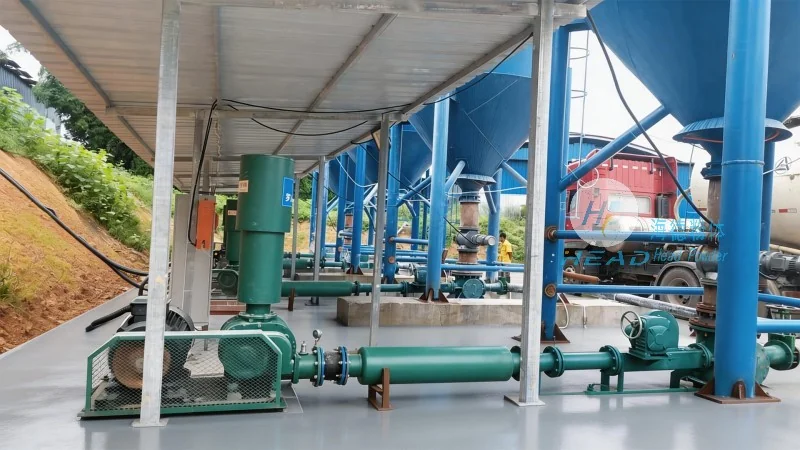
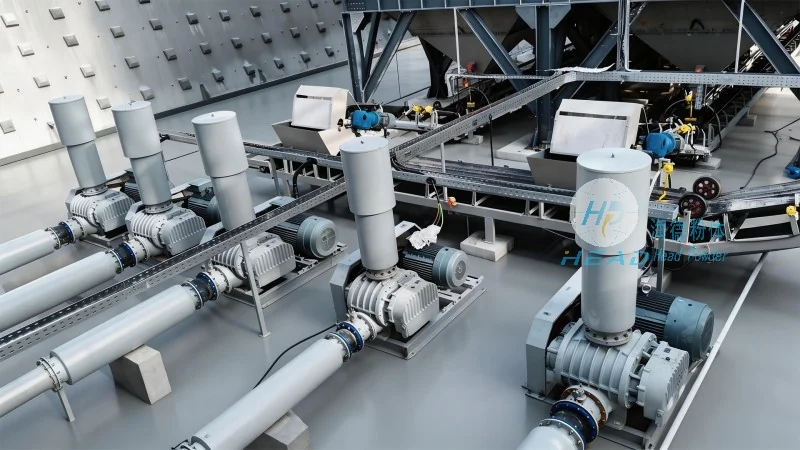
Accurate sizing of the pneumatic conveying system is essential to ensure it meets the required throughput while maintaining operational efficiency. The design process involves calculating the necessary air velocity and pressure to transport the ammonium sulfate through the conveying line. This calculation is based on the material's properties, the system's layout (including the length and diameter of the conveying line, number of bends, and elevation changes), and the desired discharge rate. HeadPowder engineers employ advanced computational fluid dynamics (CFD) and empirical formulas to determine the optimal air velocity, typically ranging from 20 to 30 meters per second for fine powders like ammonium sulfate. Proper sizing ensures that the system operates within its design limits, minimizing energy consumption and preventing excessive wear on components.
Feeder and Hopper Design for Ammonium Sulfate Handling
The feeder and hopper are critical components that directly impact the system's performance and reliability. The hopper must be designed to prevent material bridging, which can occur due to the material's flow characteristics. This often involves using hopper designs with appropriate angles of repose and possibly incorporating vibrators or air cannons to break up bridging. The feeder, such as a rotary valve or a screw feeder, must be capable of delivering the material at a consistent rate without causing excessive pressure buildup or material degradation. For ammonium sulfate, which can be abrasive, the feeder and hopper should be constructed from materials resistant to corrosion and wear, such as stainless steel or special alloys. Proper maintenance of these components is also essential to ensure long-term system reliability.
Control and Monitoring Systems for Optimal Operation
Modern pneumatic conveying systems for ammonium sulfate often incorporate advanced control and monitoring systems to ensure optimal operation and safety. These systems may include sensors to monitor pressure, temperature, and material level in the hopper and conveying line. Real-time data from these sensors allows operators to adjust the system parameters, such as air pressure or flow rate, to maintain consistent material transport. Additionally, automated control systems can detect and respond to system faults, such as blockages or pressure drops, preventing downtime and potential safety hazards. HeadPowder's expertise in integrating these systems ensures that clients receive a solution that is not only efficient but also easy to operate and maintain.
Environmental and Safety Considerations
When designing a pneumatic conveying system for ammonium sulfate, environmental and safety considerations are paramount. Ammonium sulfate is a non-hazardous material, but the system must be designed to minimize dust emissions and prevent the release of airborne particles into the environment. This is typically achieved through the use of efficient dust collectors and proper sealing of the conveying line. Safety features, such as pressure relief valves and emergency shut-off mechanisms, are also essential to protect personnel and equipment from potential hazards. HeadPowder adheres to strict safety and environmental standards, ensuring that all systems are designed and manufactured to meet or exceed regulatory requirements.
Case Studies and Real-World Applications
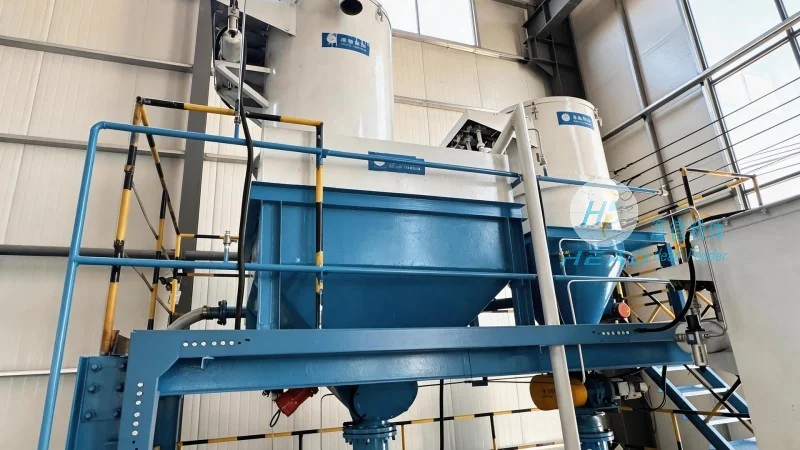
HeadPowder has extensive experience in designing and implementing pneumatic conveying systems for ammonium sulfate in various industrial settings. For example, a client in the fertilizer industry required a system to transport ammonium sulfate from storage silos to a processing plant. HeadPowder's engineers designed a system with a large hopper, a rotary valve feeder, and a long conveying line with multiple bends. The system was sized to handle a throughput of 50 tons per hour, with air velocity optimized to prevent material degradation. The client reported significant improvements in operational efficiency and reduced downtime due to the system's reliability. Another application involved a chemical plant where ammonium sulfate needed to be conveyed from a production line to a storage area. HeadPowder's solution included a dust collector integrated with the system to meet environmental regulations. These case studies demonstrate the practical application of the design considerations discussed in this article and the effectiveness of HeadPowder's engineering solutions.
Conclusion and Future Trends
In conclusion, the design of a pneumatic conveying system for ammonium sulfate requires a comprehensive understanding of material properties, system components, and operational requirements. By carefully considering factors such as material flowability, system sizing, and safety, engineers can develop an efficient and reliable system that meets the needs of industrial clients. HeadPowder Engineering Co., Ltd., with its expertise and commitment to quality, provides tailored solutions that address the unique challenges of handling ammonium sulfate. As industrial processes continue to evolve, the demand for advanced material handling systems will increase, and companies like HeadPowder will play a crucial role in meeting these demands with innovative and effective solutions.




