When designing a pneumatic conveying system for graphite electrodes, several key factors must be considered to ensure efficiency, reliability, and safety. The system's performance is directly linked to the material's properties, such as its density (typically 1.5-2.0 g/cm³), flowability, and potential for dust generation. Graphite electrodes, used extensively in steelmaking and other industrial applications, require specialized handling due to their high conductivity and abrasive nature. A well-designed system not only optimizes material transport but also minimizes operational costs and environmental impact by reducing material loss and dust emissions.
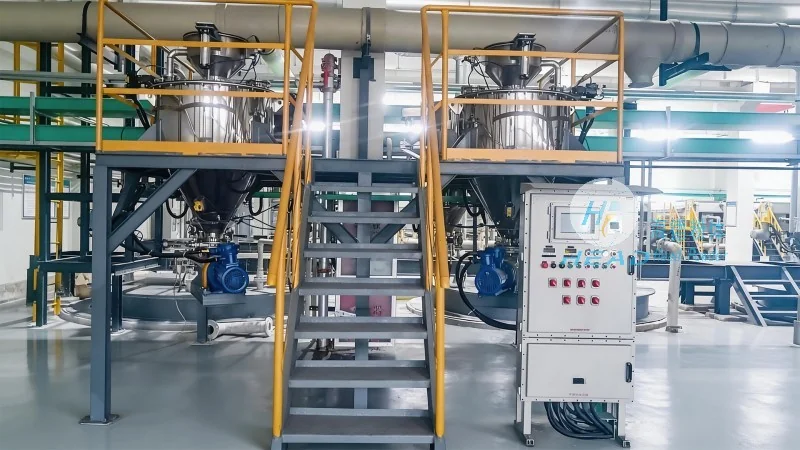
Key Design Elements for Graphite Electrode Pneumatic Conveying
The core components of a pneumatic conveying system include the hopper, feeder, conveying line, and discharge equipment. For graphite electrodes, the hopper must be designed to accommodate the material's bulk density and prevent bridging or arching, which can disrupt flow. The hopper's geometry, such as its conical shape and smooth interior, is critical to ensure uniform material flow. The feeder, typically a rotary valve or screw feeder, regulates the material feed rate to maintain consistent pressure and flow in the system. The conveying line, often made of stainless steel or other corrosion-resistant materials, must withstand the abrasive nature of graphite particles, which can cause wear over time. Additionally, the system should incorporate dust collection and filtration to comply with environmental regulations and protect personnel from exposure to fine graphite dust, which can be hazardous if inhaled.
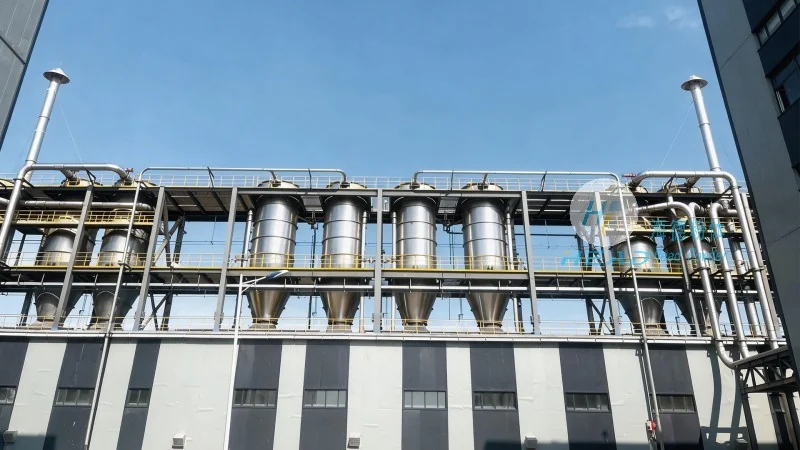
Material Handling Considerations for Graphite Electrodes
Graphite electrodes have unique characteristics that influence system design. Their high density and low flowability require careful consideration of the hopper's geometry and the feeder's capacity. The material's tendency to generate dust during handling necessitates effective dust control measures, such as sealed hoppers and efficient filtration systems. Moreover, the system must be designed to prevent static electricity buildup, as graphite is a good conductor but can accumulate charge under certain conditions. Proper grounding and anti-static measures are essential to ensure safe operation and prevent sparks that could lead to explosions in the presence of dust. The system should also include features like vibration or air agitation to improve material flow and reduce the risk of clogging.
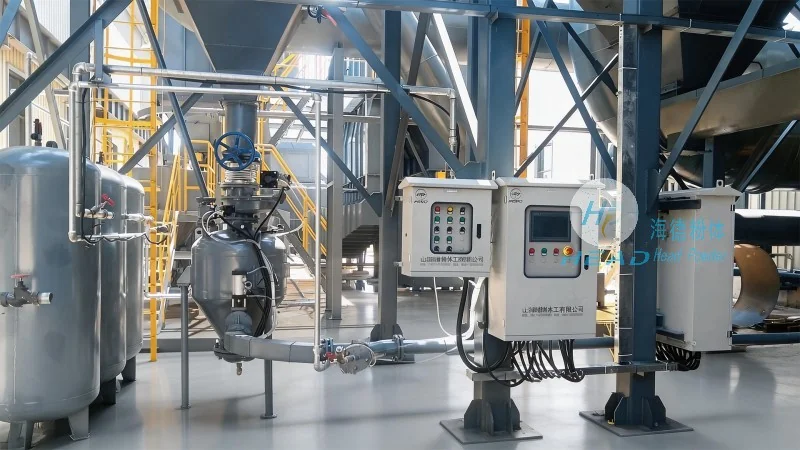
System Integration and Scalability
When integrating a pneumatic conveying system into an existing production line, scalability and compatibility are critical. The system should be designed to handle varying production volumes and material types, allowing for future expansion or modification. For example, the conveying line diameter and pressure rating can be adjusted based on the expected throughput, from low to high volume operations. Additionally, the system should be compatible with other equipment, such as storage silos or processing units, to ensure seamless material flow from extraction to final use. Proper integration reduces downtime and enhances overall operational efficiency by minimizing material handling steps and ensuring consistent delivery to downstream processes.
Operational Efficiency and Maintenance
Optimizing the operational efficiency of a pneumatic conveying system for graphite electrodes involves regular maintenance and monitoring. The system should include sensors to track pressure, flow rate, and dust levels, providing real-time data for performance analysis. Regular cleaning of the conveying line and hopper is essential to prevent clogging and maintain consistent flow. Additionally, the use of wear-resistant materials for components exposed to graphite particles, such as the hopper interior and conveying line walls, extends the system's lifespan and reduces maintenance costs. A well-maintained system ensures consistent material delivery, minimizing production delays and improving overall productivity. Regular inspections of the system's components, including the feeder and pressure relief valves, are also crucial to identify and address potential issues before they cause system failure.
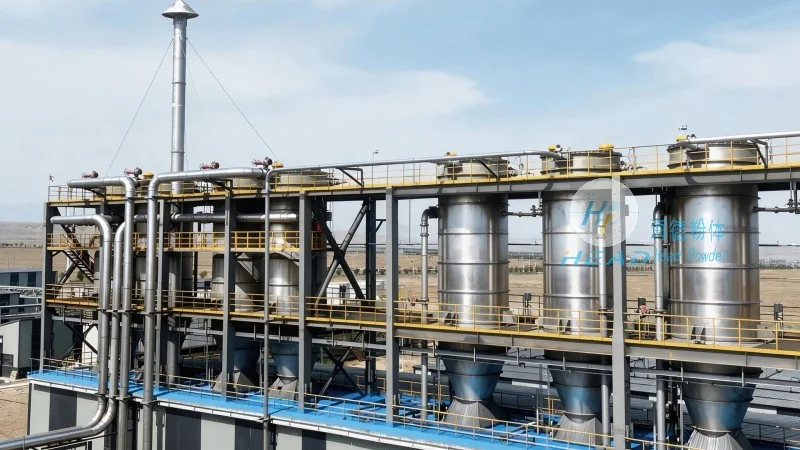
Environmental and Safety Compliance
Compliance with environmental and safety regulations is a non-negotiable aspect of designing a pneumatic conveying system for graphite electrodes. The system must be equipped with dust collection and filtration systems, such as baghouses or cartridge filters, to capture fine particles and prevent their release into the environment. Additionally, proper ventilation and personal protective equipment (PPE) for operators are essential to minimize exposure to graphite dust, which can cause respiratory issues if inhaled over prolonged periods. The system should also include safety features such as pressure relief valves and emergency shut-off mechanisms to prevent accidents and ensure safe operation. By adhering to these standards, the system not only meets regulatory requirements but also promotes a safe and healthy work environment, reducing the risk of workplace incidents and associated costs.




