When designing a pneumatic conveying system for calcium hydroxide powder, several critical factors must be addressed to ensure efficient operation, reliability, and cost-effectiveness. This document outlines key design considerations that are essential for the successful implementation of such systems, tailored specifically for the unique properties of calcium hydroxide powder.
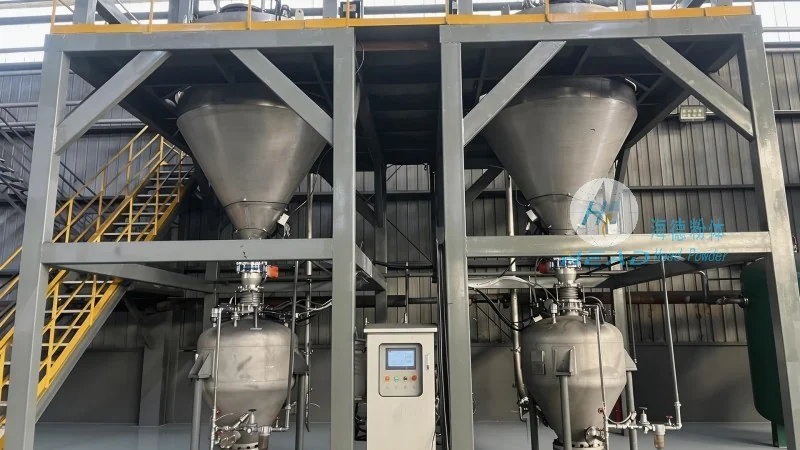
Material Properties and Handling Challenges
Calcium hydroxide, commonly known as slaked lime, is a fine powder with specific characteristics that influence system design. Its particle size distribution, flowability, and moisture content are crucial parameters. The material is often hygroscopic, meaning it can absorb moisture from the air, which may affect its flow properties and system performance. Additionally, calcium hydroxide can be abrasive, potentially causing wear on system components like pumps, valves, and pipelines. Understanding these properties is fundamental to selecting appropriate equipment and materials of construction.
System Configuration and Conveying Methods
There are two primary types of pneumatic conveying systems: dense-phase and dilute-phase. For calcium hydroxide powder, dense-phase conveying is often preferred due to its ability to handle abrasive materials and maintain product integrity. Dense-phase systems operate at lower air velocities, reducing particle impact and minimizing wear on equipment. This method also allows for more precise control over material flow, which is beneficial when handling sensitive powders like calcium hydroxide. The choice between positive and negative pressure systems depends on the application, with positive pressure systems being more common for transporting calcium hydroxide from a central storage to multiple points of use.
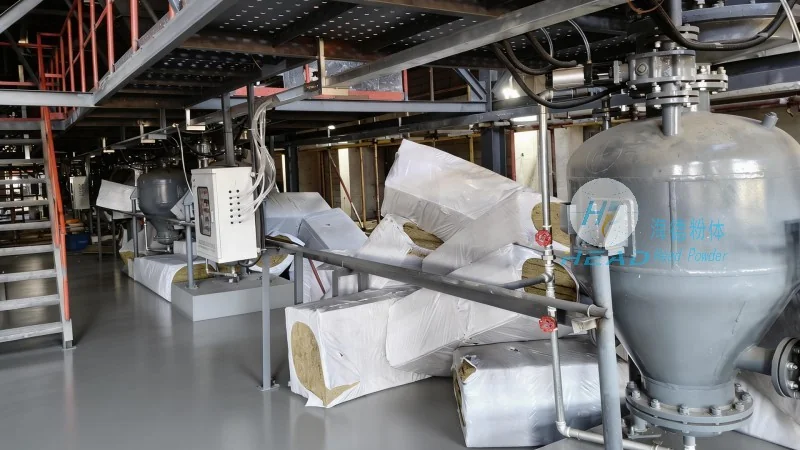
Equipment Selection and Material of Construction
Equipment selection is a critical aspect of system design. Pneumatic conveyors typically include components such as feeders, air movers (blowers or fans), pipelines, and receivers. For calcium hydroxide, which can be abrasive, materials of construction must be robust. Stainless steel, especially 316L, is often used for pipelines and fittings due to its corrosion resistance and durability. Feeders, such as rotary valves or screw feeders, are chosen based on the material's flowability and the required flow rate. The air mover must be capable of generating sufficient pressure and airflow to move the powder through the system, while also being energy-efficient. Proper sizing of the blower or fan is essential to avoid excessive energy consumption or insufficient conveying capacity.
System Sizing and Flow Rate Considerations
Accurate system sizing is vital to ensure the pneumatic conveying system operates within its optimal range. This involves determining the required flow rate based on the production capacity and the distance the powder needs to be conveyed. The system must be designed to handle the maximum expected flow rate without causing excessive pressure drops or particle degradation. Pressure drop calculations are essential to ensure the air mover can provide sufficient pressure to overcome friction losses in the pipelines and any elevation changes. Proper sizing of the pipeline diameter and length is crucial to maintain an appropriate air-to-solid ratio, which affects the conveying efficiency and system performance.
Control and Safety Features
Effective control systems are necessary to manage the pneumatic conveying process. This includes feed control, air flow regulation, and pressure monitoring. Feeders are typically equipped with variable speed drives to adjust the material flow rate in response to demand. Air flow and pressure sensors provide real-time data to the control system, allowing for adjustments to maintain optimal conveying conditions. Safety features are also critical, especially when handling abrasive materials like calcium hydroxide. These may include pressure relief valves, dust collection systems, and emergency shut-off mechanisms. Proper ventilation and dust suppression measures are essential to ensure a safe working environment and comply with occupational health and safety regulations.
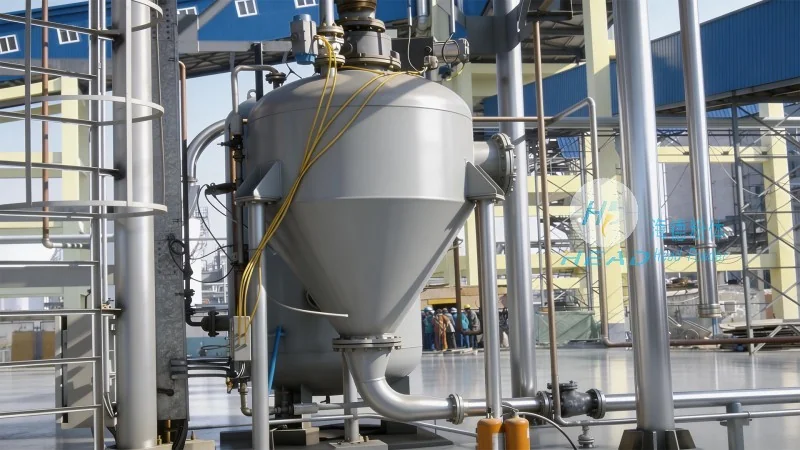
Installation and Maintenance Considerations
Proper installation is key to the long-term performance of the pneumatic conveying system. Pipelines should be designed to minimize bends and changes in direction, as excessive bends can cause particle accumulation and increased wear. The system should be installed with adequate support to prevent sagging, which could lead to blockages or uneven flow. Regular maintenance is essential to ensure the system operates efficiently and reliably. This includes cleaning of pipelines and equipment, inspection of wear parts, and replacement of worn components. A well-maintained system will have a longer service life and lower operating costs.
Conclusion
Designing a pneumatic conveying system for calcium hydroxide powder requires a comprehensive approach that considers material properties, system configuration, equipment selection, and operational considerations. By addressing these key design points, engineers can develop a system that is efficient, reliable, and cost-effective. The expertise of companies like Shandong HeadPowder Engineering Co., Ltd., with their focus on pneumatic conveying solutions, can provide valuable guidance in the design and implementation of such systems.




