For industrial applications requiring efficient and reliable transport of carbon additive powders, the design of pneumatic conveying systems is critical. Shandong HeadPowder Engineering Co., Ltd., a leading provider in the field, specializes in developing tailored solutions that address the unique challenges of handling such materials. This article outlines key design considerations to ensure optimal performance, safety, and longevity of pneumatic conveying systems for carbon additive powders.
Understanding the Core Components of Pneumatic Conveying Systems
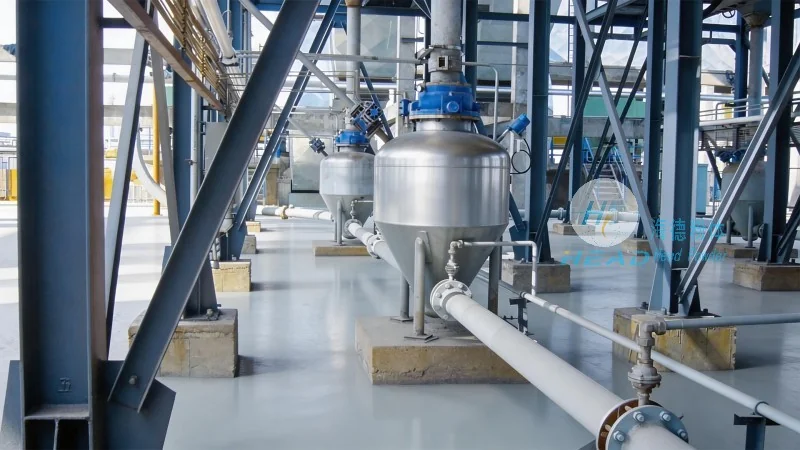
A pneumatic conveying system for carbon additive powders typically consists of several interconnected components. The primary elements include a material feed hopper, a conveyor line (either positive or negative pressure), a separation or filtration unit, and a discharge outlet. Each component plays a vital role in the overall system efficiency. The feed hopper is designed to store and meter the carbon additive powder, ensuring a consistent flow rate. The conveyor line, which can operate under positive pressure (where air is forced through the system) or negative pressure (where air is drawn through), transports the powder from the source to the destination. The separation or filtration unit is crucial for removing any entrained air or fine particles, preventing system blockages and maintaining product quality. Finally, the discharge outlet allows the processed powder to be delivered to the final application point.
Key Design Considerations for System Efficiency and Reliability
Several factors must be carefully considered during the design phase to maximize the efficiency and reliability of a carbon additive pneumatic conveying system. First, the material characteristics of the carbon additive powder are paramount. Properties such as particle size distribution, moisture content, and flowability directly impact system performance. For instance, powders with high moisture content may require additional drying steps or specialized equipment to prevent caking and blockages. Particle size distribution affects the air velocity needed for effective transport; finer particles typically require higher air velocities to maintain suspension. Flowability is another critical factor, as cohesive or sticky powders may need to be pre-treated with additives or agitators to improve their flow characteristics.
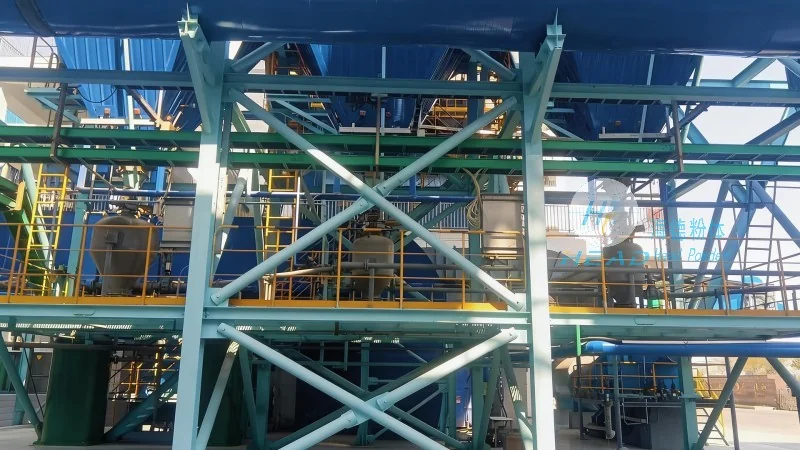
Second, the system's operating pressure and air velocity must be optimized based on the material's properties and the distance to be conveyed. Positive pressure systems are often preferred for long-distance transport due to their ability to maintain consistent air flow and prevent dust emissions. However, they require robust sealing and higher energy consumption. Negative pressure systems, while less energy-intensive, are more suitable for shorter distances and may be prone to air leaks, which can affect material handling efficiency. The choice between positive and negative pressure depends on the specific application requirements and the characteristics of the carbon additive powder.
Third, the design of the conveyor line and associated components, such as elbows, bends, and expansion joints, must account for the potential for wear and abrasion caused by the carbon additive powder. Carbon additives are often abrasive, and repeated contact with system components can lead to premature wear, reducing system lifespan and increasing maintenance costs. Therefore, materials such as stainless steel or specialized alloys are commonly used for high-wear areas to ensure durability. Additionally, the system's layout should minimize the number of bends and changes in direction, as these can cause particle segregation and increase the risk of blockages.
Fourth, safety and environmental considerations are integral to the design. Pneumatic conveying systems for carbon additives must comply with local regulations regarding dust control and emissions. Proper filtration and ventilation systems are essential to prevent the release of fine particles into the environment, protecting both personnel and the surrounding ecosystem. Furthermore, the system should include safety features such as pressure relief valves, emergency shut-off mechanisms, and monitoring systems to detect and address any potential issues promptly. These measures ensure the system operates safely and meets environmental standards.
Application-Specific Design Solutions
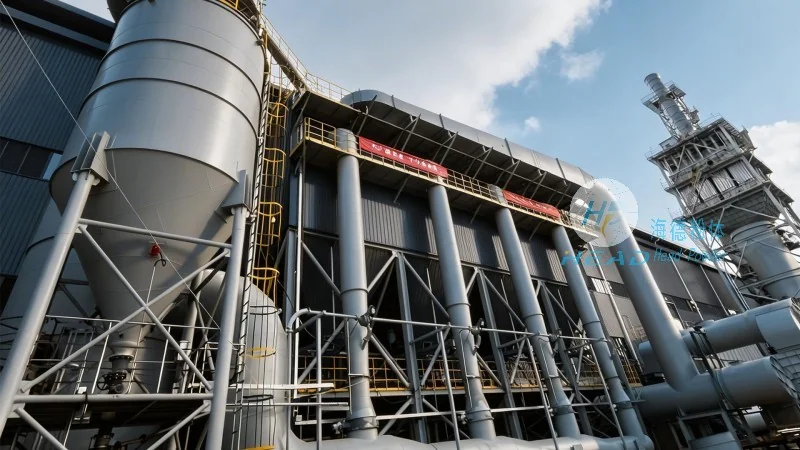
Shandong HeadPowder Engineering Co., Ltd. offers customized pneumatic conveying solutions tailored to the specific needs of various industries. For example, in the steel industry, where carbon additives are used to adjust the carbon content of molten steel, the system must be designed to handle high-temperature environments and ensure precise material delivery. The design may include temperature-resistant components and specialized feed mechanisms to accommodate the high-temperature conditions. In the foundry industry, where carbon additives are used to improve the properties of castings, the system may need to handle larger particle sizes and higher flow rates, requiring robust conveyor lines and efficient separation units. The company's engineers work closely with clients to understand their specific application requirements and develop solutions that optimize performance and cost-effectiveness.
Conclusion and Contact Information
Designing an efficient and reliable pneumatic conveying system for carbon additive powders requires a comprehensive understanding of material properties, system components, and operational considerations. Shandong HeadPowder Engineering Co., Ltd. leverages its expertise to provide tailored solutions that meet the unique challenges of each application. By focusing on key design factors such as material characteristics, operating pressure, component durability, and safety, the company ensures that its systems deliver optimal performance and longevity. For more information on pneumatic conveying solutions for carbon additives, please contact Shandong HeadPowder Engineering Co., Ltd., located in Shandong, China.




