White ash, a byproduct of coal combustion, is widely utilized in industries such as cement production, construction materials, and environmental remediation. Efficient and reliable transportation of white ash from storage to processing units is essential for maintaining production efficiency and minimizing operational costs. Pneumatic conveying systems offer a solution by utilizing air to transport bulk materials like white ash, providing advantages over traditional methods like belt conveyors or bucket elevators.
About HeadPowder Engineering
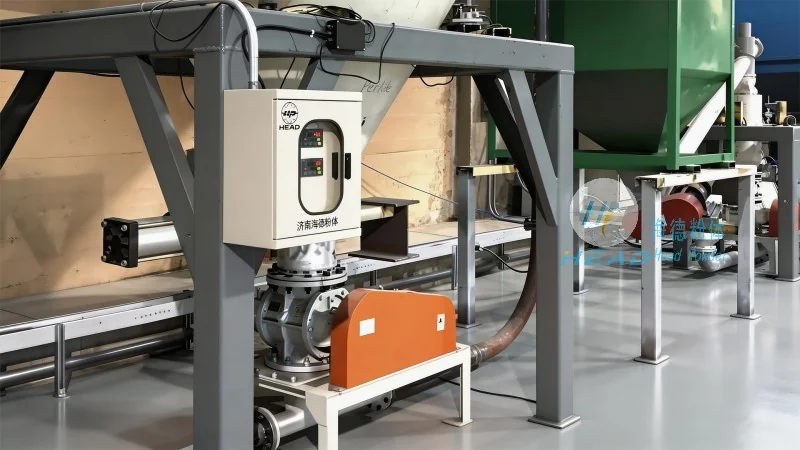
HeadPowder, or Shandong HeadPowder Engineering Co., Ltd., is a specialized engineering firm based in Shandong, China. With years of experience in material handling and processing, the company focuses on designing and manufacturing advanced pneumatic conveying systems tailored to the needs of various industries. HeadPowder's expertise lies in understanding the unique challenges of handling white ash and other bulk materials, ensuring that their systems are robust, energy-efficient, and compliant with industry standards.
Key Design Considerations for White Ash Pneumatic Conveying
The design of a white ash pneumatic conveying system involves several critical factors that impact its performance and reliability. First, the material properties of white ash, including particle size distribution, moisture content, and density, must be carefully considered. These properties influence the selection of conveying air velocity, pipeline diameter, and system pressure. For instance, finer particles may require higher air velocities to prevent blockages, while larger particles might need larger pipe diameters to maintain smooth flow. Additionally, the system's layout, including the number of transfer points, vertical and horizontal runs, and the presence of bends or elbows, affects overall pressure drop and energy consumption. HeadPowder engineers use advanced computational fluid dynamics (CFD) and empirical data to optimize these parameters, ensuring the system operates within safe and efficient conditions.
Types of Pneumatic Conveying Systems for White Ash
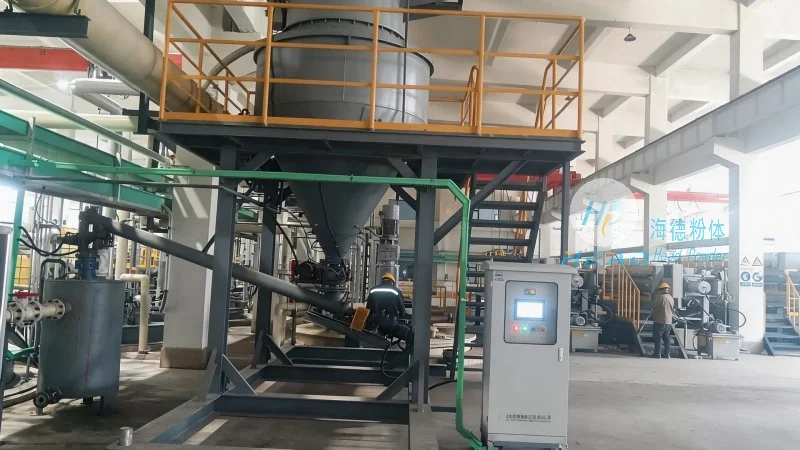
There are two primary types of pneumatic conveying systems used for white ash: positive pressure and negative pressure systems. Positive pressure systems, or pressure conveying, use a blower or compressor to push air and material through the pipeline. This method is suitable for long-distance and high-capacity applications, as it can maintain consistent flow rates and handle abrasive materials without causing excessive wear. Negative pressure systems, or vacuum conveying, use a vacuum pump to draw material into the pipeline. These systems are ideal for short-distance transfers and for handling materials sensitive to pressure changes or for applications where dust containment is a priority. HeadPowder offers both system types, allowing customers to choose the most appropriate solution based on specific operational requirements and site constraints.
Core Components of the White Ash Pneumatic Conveying System
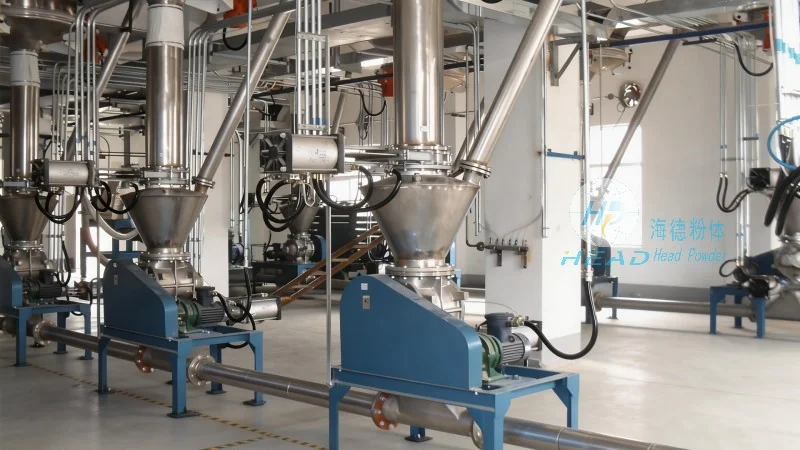
A typical white ash pneumatic conveying system consists of several key components working together to ensure efficient material transport. The main components include a material feeder, conveying pipeline, blower or vacuum pump, control system, and dust collection system. The material feeder, often a rotary valve or screw feeder, feeds white ash at a controlled rate, preventing blockages and maintaining system efficiency. The conveying pipeline, typically made of stainless steel or corrosion-resistant materials, withstands the abrasive nature of white ash and ensures long service life. The blower or vacuum pump is selected based on required pressure and flow rate, with options like rotary lobe blowers or roots blowers for positive pressure systems and vacuum pumps for negative pressure systems. The control system integrates sensors and controllers to monitor pressure, flow rate, and material level, allowing real-time adjustments and preventing system overloads. Finally, the dust collection system, such as a baghouse or cartridge filter, captures airborne particles to comply with environmental regulations and maintain a clean environment.
Advantages of Using a White Ash Pneumatic Conveying System
Implementing a pneumatic conveying system for white ash offers several advantages over traditional methods. First, it provides a dust-free and enclosed transport process, enhancing workplace safety and reducing respiratory risks. Unlike belt conveyors or bucket elevators, which generate significant dust and require additional suppression measures, pneumatic systems keep material contained, minimizing environmental impact. Second, these systems are highly flexible and can be easily integrated into existing production lines or reconfigured for changing production volumes or material types. Third, they offer high efficiency and low energy consumption compared to other methods. By using air as the conveying medium, the system minimizes mechanical component maintenance, reducing downtime and operational costs. Additionally, the enclosed design reduces material loss and contamination, ensuring consistent quality for processing units. Finally, pneumatic conveying systems handle a wide range of material characteristics, including varying particle sizes, moisture contents, and abrasive properties, making them a versatile solution for various industrial applications.
Conclusion and Contact Information
White ash pneumatic conveying systems, designed and manufactured by Shandong HeadPowder Engineering Co., Ltd., provide an efficient, reliable, and cost-effective solution for transporting white ash in industrial settings. With a focus on customizing systems to meet specific operational needs, HeadPowder ensures optimal performance and longevity. Based in Shandong, China, HeadPowder leverages expertise and advanced engineering capabilities to deliver high-quality pneumatic conveying systems that meet modern industry demands. For more information or to discuss your specific white ash handling requirements, please contact HeadPowder Engineering.




