Magnesia sand, a vital raw material in the production of refractory materials, demands efficient and reliable transportation methods to ensure consistent quality and process stability. The pneumatic conveying system serves as a preferred solution for handling magnesia sand due to its ability to transport bulk materials in a closed system, minimizing dust exposure and environmental impact. This article outlines the key considerations and design principles for developing an effective magnesia sand pneumatic conveying system, with a focus on the technical and operational aspects that contribute to optimal performance.
Company Overview: HeadPowder Engineering
HeadPowder, or Shandong HeadPowder Engineering Co., Ltd., is a leading engineering firm specializing in the design and implementation of bulk material handling systems. With a strong presence in China, particularly in Shandong province, the company has extensive experience in developing customized solutions for various industrial applications. HeadPowder's expertise lies in integrating advanced technology with practical engineering to deliver systems that meet stringent industry standards and client requirements. The company's commitment to quality and innovation has established it as a trusted partner in the refractory and bulk material processing sectors.
Key Design Components of the Pneumatic Conveying System
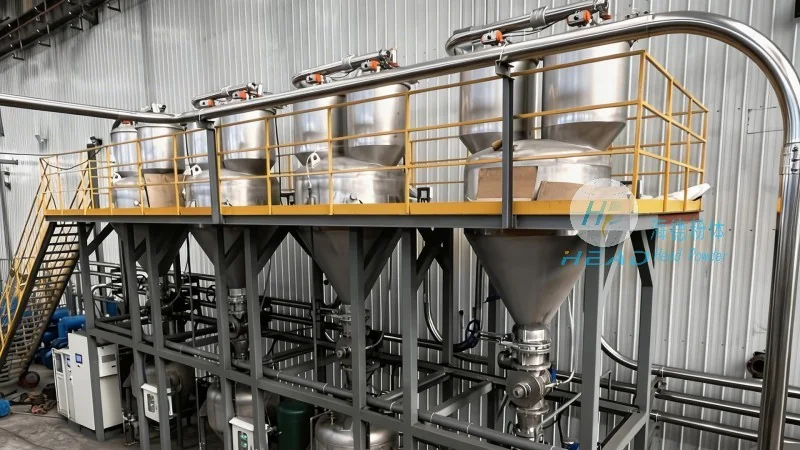
The design of a magnesia sand pneumatic conveying system involves several critical components, each playing a vital role in the overall efficiency and reliability of the operation. The primary components include the material feed system, conveying pipeline network, air supply and control system, and dust collection and filtration units. The material feed system is responsible for accurately metering and feeding magnesia sand into the conveying line, ensuring a consistent flow rate that matches the system's capacity. The pipeline network is designed with appropriate diameters and bends to minimize pressure drop and maintain sufficient air velocity to prevent material settling. The air supply system typically uses a high-pressure blower or compressor to generate the necessary airflow, with control mechanisms to regulate pressure and flow based on operational needs. Dust collection and filtration are essential for maintaining a clean working environment and complying with environmental regulations, utilizing cyclone separators and bag filters to capture and remove particulate matter from the exhaust air.
Material Handling Efficiency and Process Optimization
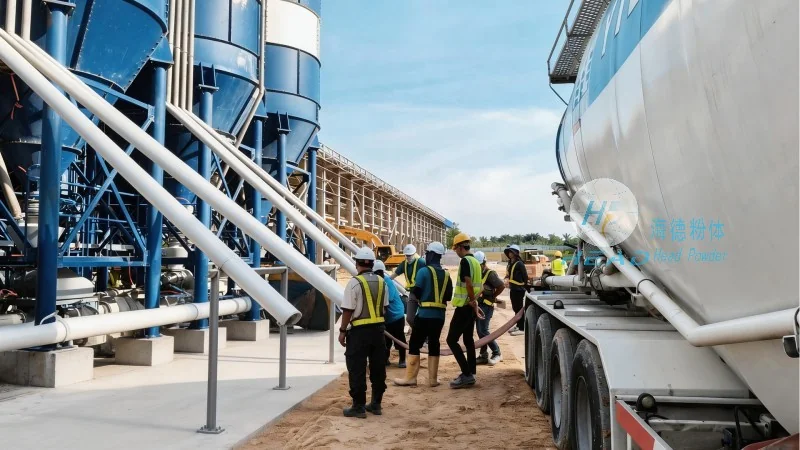
Efficient material handling is crucial for optimizing the production process in facilities that rely on magnesia sand. The pneumatic conveying system's ability to transport material in a continuous flow without the need for intermediate storage or manual handling reduces downtime and improves overall productivity. By integrating sensors and control systems, the operation can be monitored in real-time, allowing for adjustments to be made promptly to maintain optimal performance. This leads to consistent material quality, reduced waste, and lower operational costs. Additionally, the closed system design minimizes dust dispersion, enhancing workplace safety and reducing the risk of material contamination. The system's design also considers factors such as material moisture content and particle size distribution, as these variables can impact the conveying efficiency and require adjustments to the air velocity and pressure settings.
System Integration and Customization
HeadPowder Engineering specializes in customizing pneumatic conveying systems to suit the specific needs of each client. The design process begins with a thorough analysis of the client's operational requirements, including the volume of magnesia sand to be transported, the distance and layout of the conveying route, and any environmental or safety constraints. Based on this analysis, the company develops a tailored system that incorporates the most suitable components and technology. This approach ensures that the final system is not only efficient but also cost-effective and easy to maintain. The company's engineers work closely with clients to provide technical support throughout the project lifecycle, from initial design and installation to ongoing maintenance and troubleshooting. This collaborative approach helps to minimize potential issues and maximize the system's performance over its service life.
Environmental and Safety Considerations
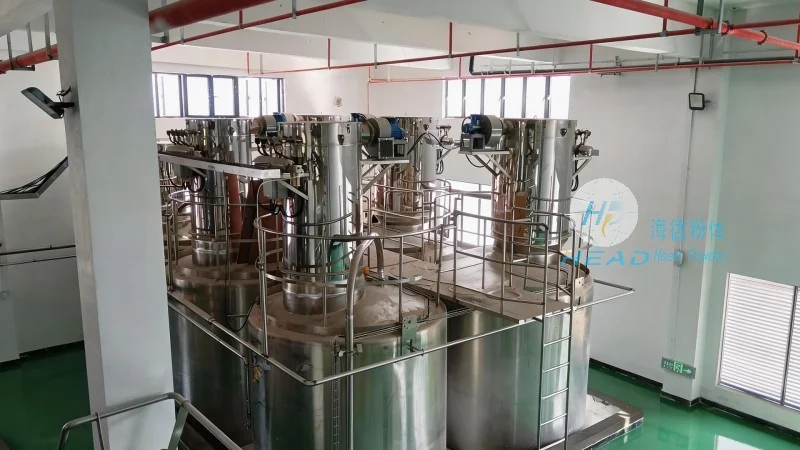
When designing a magnesia sand pneumatic conveying system, environmental and safety considerations are paramount. The system must comply with local regulations regarding dust emissions and noise levels. Advanced filtration systems and enclosed pipelines help to minimize the release of particulate matter into the environment, while noise reduction measures such as soundproof enclosures and vibration dampening components ensure that the system operates within acceptable noise limits. Workplace safety is also a key focus, with features such as emergency shut-off valves, pressure relief devices, and regular maintenance schedules to prevent accidents and ensure the well-being of personnel. The closed system design further enhances safety by preventing dust from entering the workspace and reducing the risk of respiratory issues associated with handling fine powders.
Conclusion and Future Outlook
The design of a magnesia sand pneumatic conveying system is a complex but essential process that requires a combination of technical expertise, practical experience, and a deep understanding of the material's properties. HeadPowder Engineering's commitment to delivering high-quality, customized solutions has made it a leader in the field, helping clients to improve their operational efficiency, reduce costs, and enhance workplace safety. As industrial demands continue to evolve, the importance of efficient bulk material handling systems will only increase, and companies like HeadPowder will play a crucial role in meeting these challenges with innovative and reliable solutions.




