For industries dealing with bentonite, an efficient and reliable material handling solution is crucial. The design of a bentonite pneumatic conveying system plays a pivotal role in ensuring smooth operations, minimal downtime, and optimal performance. This article delves into the key aspects of designing such a system, highlighting the expertise of Shandong HeadPowder Engineering Co., Ltd., a leading provider in the field.
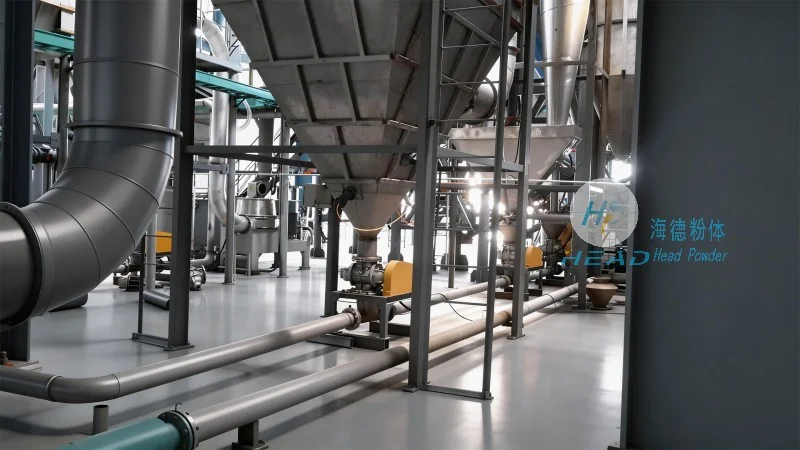
Understanding Bentonite and Its Handling Requirements
Bentonite is a natural clay mineral widely used in various applications, including drilling fluids, foundry sand, and petrochemical processes. Its unique properties, such as high moisture content and fine particle size, present specific challenges during material handling. Traditional methods like belt conveyors or bucket elevators may not be suitable due to the risk of clogging and material degradation. Pneumatic conveying systems offer a solution by utilizing air pressure to transport bentonite in a dust-free and controlled manner.
The Role of Pneumatic Conveying in Bentonite Processing
Pneumatic conveying systems are engineered to move bulk materials like bentonite through a pipeline using compressed air. This method eliminates the need for mechanical components that can cause wear and tear, reducing maintenance costs and extending the system's lifespan. The system typically consists of a hopper, a rotary airlock, a conveying line, and a receiver. The rotary airlock ensures a continuous and controlled flow of bentonite into the pipeline, while the conveying line transports the material to the desired destination. The receiver then collects the material, ready for further processing or storage.
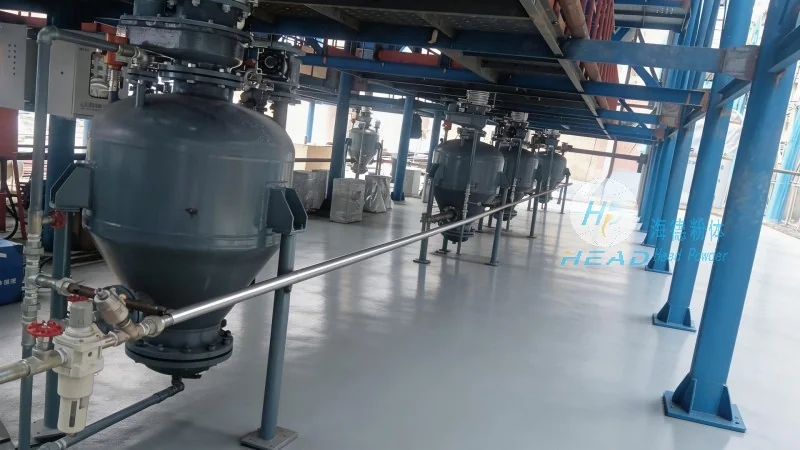
Key Design Considerations for Bentonite Pneumatic Conveying
Designing an effective bentonite pneumatic conveying system requires careful consideration of several factors. The first is the material's characteristics, including particle size distribution, moisture content, and bulk density. These parameters influence the choice of conveying velocity and system pressure. For instance, finer particles may require higher air velocities to prevent clogging, while higher moisture content may necessitate pre-drying or moisture control measures. Another critical factor is the system's capacity, which must match the production requirements of the facility. Shandong HeadPowder Engineering Co., Ltd. specializes in customizing systems to meet specific capacity needs, ensuring that the system operates at peak efficiency.
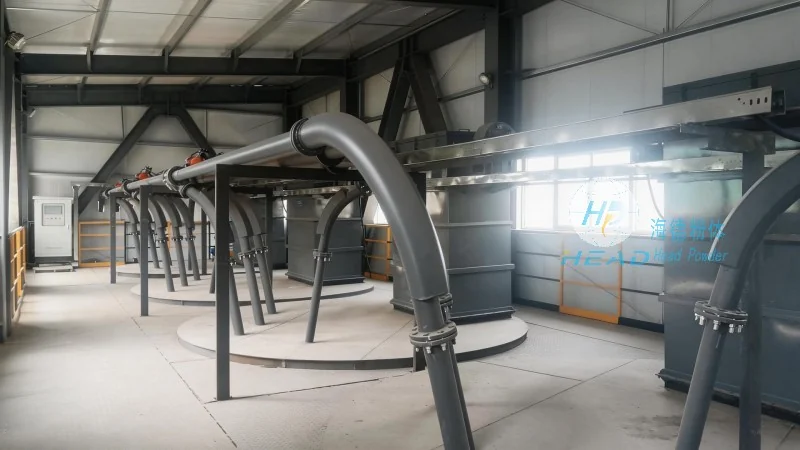
Advantages of a Well-Designed Bentonite Pneumatic Conveying System
Implementing a properly designed bentonite pneumatic conveying system offers numerous benefits. Firstly, it enhances operational efficiency by reducing downtime caused by material blockages or equipment failure. The dust-free operation also improves workplace safety and compliance with environmental regulations. Additionally, the system's ability to handle fine particles without degradation maintains the quality of the bentonite, which is essential for downstream processes. From a cost perspective, the reduced maintenance and energy consumption contribute to long-term savings, making it a financially viable solution for industries relying on bentonite.
Customization and Expertise from Shandong HeadPowder Engineering Co., Ltd.
Shandong HeadPowder Engineering Co., Ltd. is a reputable company based in China, dedicated to providing high-quality engineering solutions for material handling. With years of experience in the industry, the company has developed a deep understanding of bentonite's unique handling needs. Their team of experts works closely with clients to design and implement customized pneumatic conveying systems that meet specific operational requirements. The company's commitment to quality and customer satisfaction is evident in their comprehensive approach, which includes detailed system analysis, material testing, and on-site installation and commissioning. By partnering with Shandong HeadPowder Engineering Co., Ltd., industries can ensure that their bentonite handling processes are optimized for efficiency, reliability, and cost-effectiveness.




