HeadPowder, a leading engineering firm based in Shandong, China, specializes in the design and implementation of advanced pneumatic conveying systems tailored for the handling of prilled caustic soda. This article provides a comprehensive overview of the key considerations and technical aspects involved in the design of such systems, emphasizing the company's expertise and commitment to delivering efficient, reliable solutions for industrial applications.
System Components and Design Principles
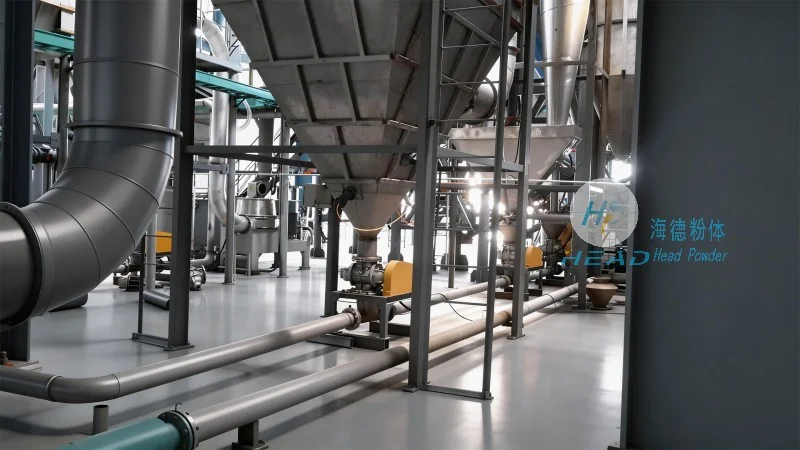
The pneumatic conveying system for prilled caustic soda typically consists of several critical components, each engineered to ensure optimal performance and safety. The system begins with a storage silo or hopper where the material is stored under controlled conditions. From there, a rotary airlock valve is used to regulate the flow of caustic soda into the conveying line, preventing backflow and maintaining consistent material feed. The conveying line itself is a crucial element, often constructed from corrosion-resistant materials such as stainless steel or specialized alloys to withstand the chemical properties of caustic soda. The design of the line includes considerations for pressure drop, velocity, and material density to ensure efficient transport. A dust collection system is integrated to capture any airborne particles, ensuring environmental compliance and worker safety. Finally, the system terminates at a receiving hopper or processing unit, where the material is discharged for further use.
Key Design Considerations for Prilled Caustic Soda
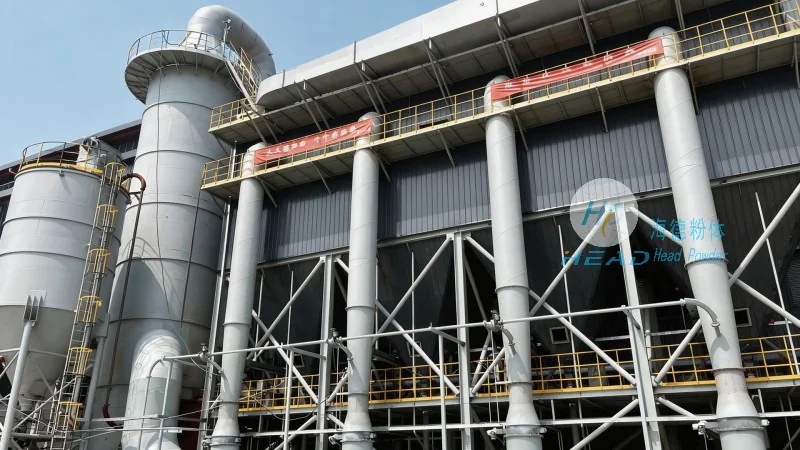
Designing a pneumatic conveying system for prilled caustic soda requires careful attention to several factors to ensure reliability and efficiency. First, material properties are critical. Prilled caustic soda is a fine, granular material with specific density and flow characteristics. The system must be designed to handle these properties, avoiding issues such as bridging or segregation in the hopper. Second, corrosion resistance is paramount. Caustic soda is highly corrosive, and all components in contact with the material must be made from materials like 316L stainless steel or PTFE-coated parts to prevent degradation and ensure longevity. Third, pressure and velocity management are essential. The system must maintain appropriate air pressure and material velocity to prevent blockages and ensure smooth transport. HeadPowder engineers employ advanced computational fluid dynamics (CFD) simulations to optimize these parameters, minimizing energy consumption while maximizing throughput. Fourth, safety features are integrated throughout the design. This includes explosion-proof motors, pressure relief valves, and dust suppression systems to comply with industrial safety standards and protect personnel and equipment.
Advantages of Pneumatic Conveying for Prilled Caustic Soda
Compared to traditional mechanical conveying methods, pneumatic conveying offers several advantages for handling prilled caustic soda. One of the primary benefits is the ability to transport material over long distances without the need for multiple transfer points or intermediate storage. This reduces the risk of material degradation and contamination, as the material remains enclosed within the system. Additionally, pneumatic conveying is more flexible, allowing for changes in the conveying route or destination without major modifications to the infrastructure. The system also provides better control over material flow, enabling precise dosing and batching for downstream processes. From an operational standpoint, pneumatic systems are generally more energy-efficient than mechanical systems, as they can use less power to achieve higher throughput. HeadPowder's designs leverage these advantages, resulting in systems that are not only efficient but also cost-effective and sustainable.
Application and Industry Impact
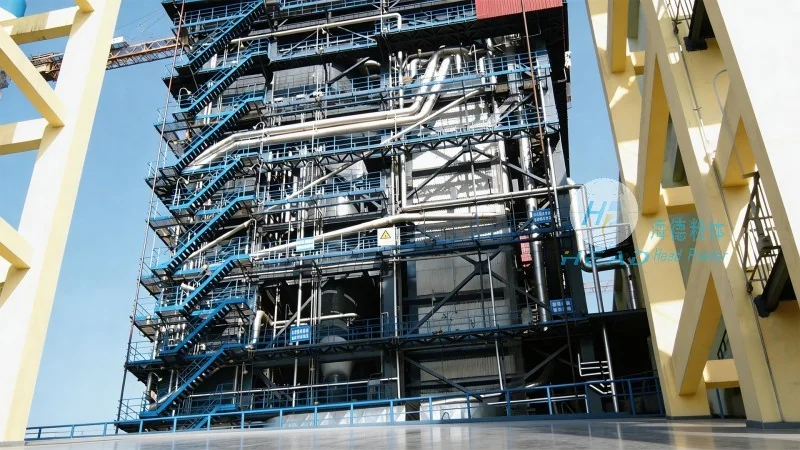
The pneumatic conveying systems designed by HeadPowder are widely used in various industrial sectors that rely on prilled caustic soda, including chemical manufacturing, pulp and paper production, and water treatment. In chemical plants, these systems facilitate the transport of caustic soda from storage to reaction vessels, ensuring consistent feed rates and process control. In the pulp and paper industry, the systems are used to convey caustic soda to digesters and bleaching units, where it plays a critical role in the pulping and bleaching processes. In water treatment facilities, the systems help deliver caustic soda for pH adjustment and chemical treatment of wastewater. By providing reliable and efficient material handling solutions, HeadPowder's systems contribute to improved process efficiency, reduced downtime, and enhanced safety in these industries.




