When it comes to efficiently transporting bulk materials like aggregates in construction and industrial applications, pneumatic conveying systems offer a reliable and efficient solution. The design of such systems is critical to ensure optimal performance, minimal maintenance, and cost-effectiveness. This article provides an overview of the key considerations and components involved in designing an effective aggregate pneumatic conveying system, presented by Shandong HeadPowder Engineering Co., Ltd., a leading provider in the field.
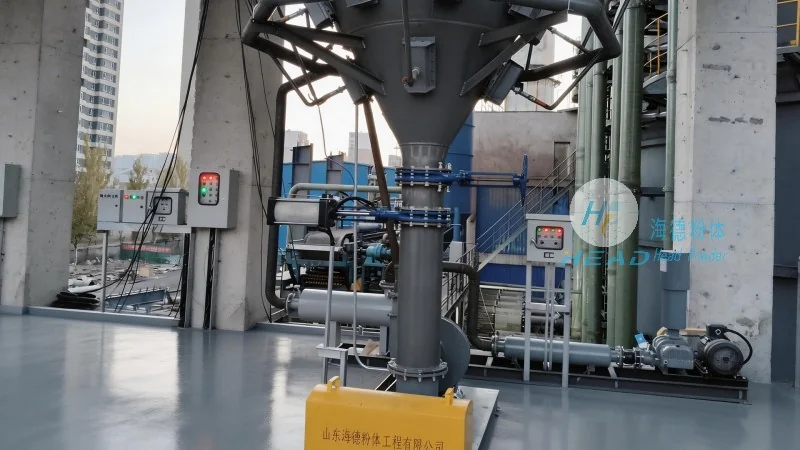
About Shandong HeadPowder Engineering Co., Ltd.
Shandong HeadPowder Engineering Co., Ltd., commonly known as HeadPowder, is a professional engineering company based in Shandong, China. With years of experience in the design, manufacturing, and installation of pneumatic conveying systems, HeadPowder specializes in providing customized solutions for various aggregate handling needs. The company's expertise lies in understanding the unique requirements of different industries and tailoring systems that meet both operational and safety standards.
Key Design Considerations for Aggregate Pneumatic Conveying
The successful design of an aggregate pneumatic conveying system depends on several critical factors. First, the material characteristics of the aggregates, including particle size, density, and moisture content, play a significant role. These properties determine the appropriate conveying velocity, pressure, and system configuration. For instance, systems handling fine or abrasive particles may require higher air velocities and specialized equipment to prevent blockages and equipment wear. Additionally, the distance and elevation changes between the source and destination points influence the system's design, as these factors affect the required air pressure and energy consumption. Engineers must also consider the system's capacity, ensuring it can handle the desired throughput without compromising efficiency. HeadPowder's team of experts conducts thorough material analysis and site assessments to determine the optimal parameters for each project.
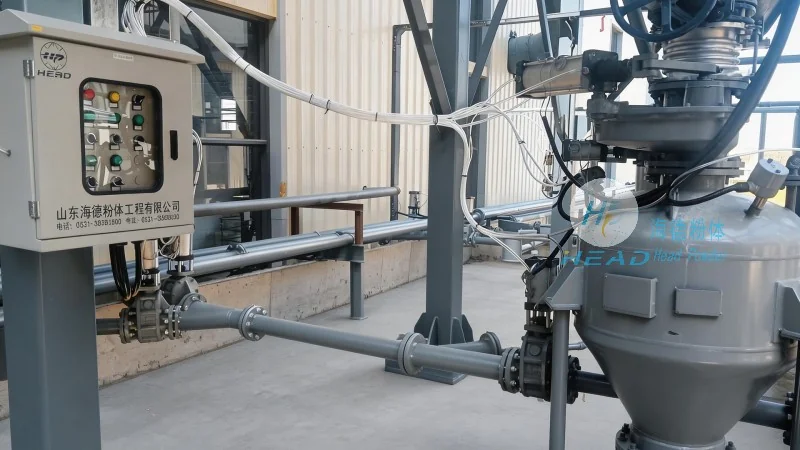
Components and Functionality of Pneumatic Conveying Systems
An aggregate pneumatic conveying system typically consists of several key components, each playing a vital role in the material transport process. The primary components include the material feed hopper, which stores and feeds the aggregates into the system; the air compressor, which generates the necessary air pressure to move the material; the conveying line, which transports the material from the source to the destination; and the discharge equipment, which releases the material at the receiving end. The system may also include additional components such as filters, cyclones, and pressure vessels to ensure proper air filtration and material separation. The air compressor is a critical component, as its capacity and pressure must match the system's requirements. Different types of compressors, such as rotary lobe or centrifugal, are used depending on the application and material characteristics. The conveying line is usually made of durable materials like stainless steel or plastic to withstand the abrasive nature of aggregates and prevent wear. The discharge equipment, such as rotary valves or airlocks, ensures a controlled and continuous release of the material, preventing backflow and maintaining system efficiency.
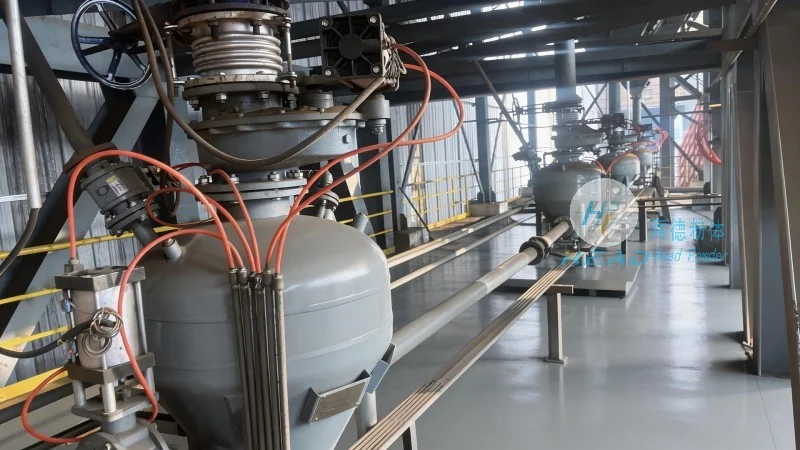
Advantages and Applications of Aggregate Pneumatic Conveying
Pneumatic conveying systems offer numerous advantages over traditional mechanical conveying methods. One of the main benefits is the ability to transport materials in a closed system, which reduces dust emissions and improves workplace safety. This is particularly important for aggregates, which can generate significant dust during handling. Additionally, pneumatic systems are more flexible in terms of layout, allowing for vertical and horizontal transport without the need for complex infrastructure. They also provide a more hygienic and controlled environment, which is essential for applications in food processing or pharmaceutical industries. The systems are also capable of handling a wide range of materials, from fine powders to large aggregates, making them versatile for various industrial applications. HeadPowder's systems have been successfully implemented in construction sites, mining operations, and material processing plants, demonstrating their reliability and efficiency in different environments.
Conclusion and Company Commitment
Designing an effective aggregate pneumatic conveying system requires a comprehensive understanding of material properties, system requirements, and operational constraints. Shandong HeadPowder Engineering Co., Ltd. leverages its expertise and experience to provide tailored solutions that meet the specific needs of each client. By focusing on quality, efficiency, and safety, HeadPowder ensures that its systems deliver optimal performance and long-term value. Whether for new installations or system upgrades, HeadPowder's team of professionals is committed to delivering reliable and efficient aggregate pneumatic conveying solutions. For more information or to discuss your specific project requirements, contact HeadPowder today.




