HeadPowder, a leading engineering firm based in Shandong, China, specializes in the design and implementation of advanced pneumatic conveying systems tailored for the glass industry. This article explores the key considerations and technical aspects involved in designing efficient systems for transporting glass raw materials, ensuring optimal performance and reliability in production processes.
Pneumatic Conveying Systems: An Overview
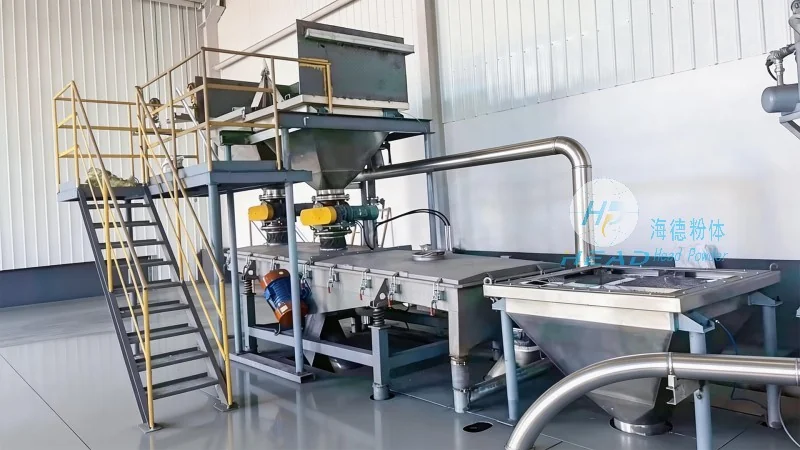
Pneumatic conveying systems utilize air or other gases to transport bulk materials, such as glass powders and granules, from one location to another. These systems are widely adopted in the glass manufacturing sector due to their ability to handle fine and abrasive materials while minimizing contamination and material degradation. The core components of a typical pneumatic conveying system include a hopper for material storage, a conveying line, a blower or compressor to generate airflow, and a discharge point for material delivery. The choice of system type—such as pressure or vacuum systems—depends on factors like material characteristics, distance, and operational requirements.
Key Design Considerations for Glass Raw Material Conveying
Designing a pneumatic conveying system for glass raw materials requires careful evaluation of several critical factors to ensure efficiency and longevity. First, material properties play a pivotal role. Glass powders and granules often exhibit high abrasiveness and can be sensitive to moisture, which necessitates the use of durable materials for system components, such as stainless steel or specialized coatings. Second, the system's capacity and flow rate must be matched to the production demands. Overloading the system can lead to blockages or reduced efficiency, while underutilization may result in higher energy costs. Third, the conveying distance and layout of the facility influence the selection of blower capacity and line diameter. Longer distances may require higher pressure or larger-diameter lines to maintain consistent material flow. Additionally, the need for dust control and environmental compliance is paramount, as glass dust can be hazardous and must be managed effectively to meet safety and regulatory standards.
System Components and Their Functionality
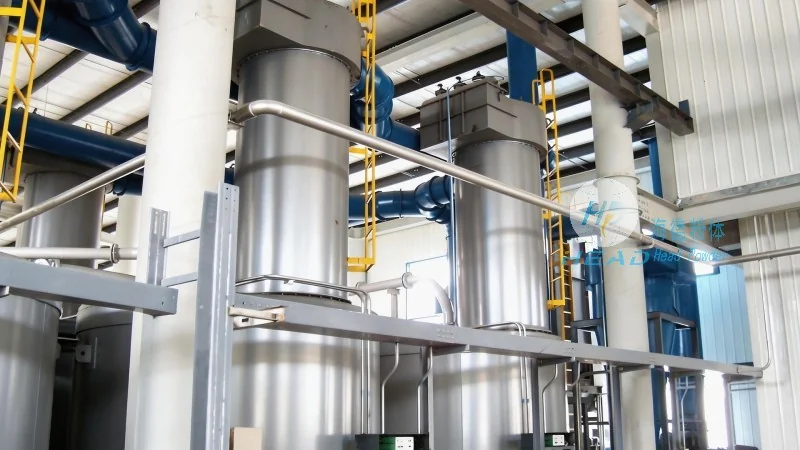
The effectiveness of a pneumatic conveying system for glass raw materials hinges on the integration of specialized components. The hopper, typically equipped with a feeder or rotary valve, ensures a consistent feed of material into the conveying line. This component must be designed to prevent material bridging or caking, which can impede flow. The conveying line itself is often made of flexible or rigid tubing, depending on the system type and distance. For pressure systems, the line is typically rigid and connected to a blower that generates positive pressure to push material through. In vacuum systems, a fan creates negative pressure to draw material from the hopper. The blower or compressor is a critical component, as its capacity directly impacts the system's throughput. HeadPowder engineers select appropriate equipment based on the material's density, particle size, and the required flow rate. The discharge point, often a receiver or silo, collects the material and may include a dust collection system to capture any airborne particles. This system ensures that the material is delivered safely and efficiently to the next stage of the glass production process.
Advantages of Pneumatic Conveying for Glass Raw Materials
Implementing a pneumatic conveying system for glass raw materials offers several advantages over traditional methods like belt conveyors or bucket elevators. One of the primary benefits is the ability to handle fine, abrasive materials without causing excessive wear or damage. This reduces maintenance costs and extends the lifespan of system components. Additionally, pneumatic systems are highly flexible, allowing for changes in material flow direction or location without major structural modifications. They also provide better dust control, as the enclosed system minimizes the release of particles into the environment. This not only improves workplace safety but also helps in meeting environmental regulations. Furthermore, pneumatic conveying systems can be integrated with automated controls, enabling real-time monitoring and adjustment of flow rates, pressure, and other parameters. This integration enhances operational efficiency and reduces the risk of system failures.
Case Study: A Successful Implementation by HeadPowder
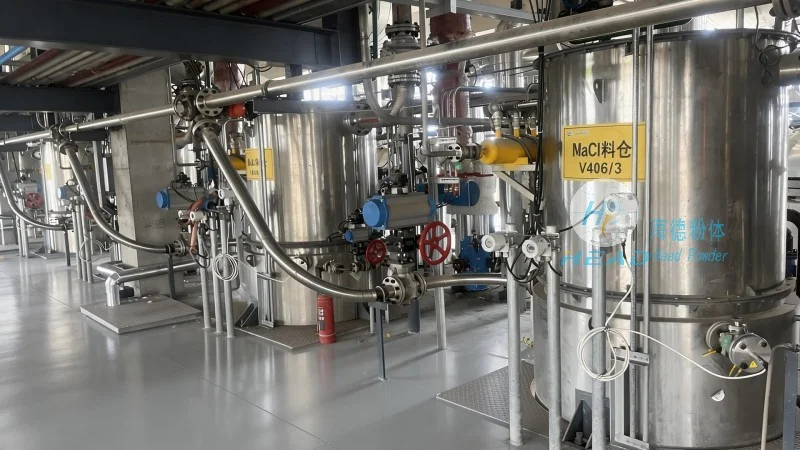
HeadPowder recently completed a project for a glass manufacturing plant in Shandong, China, where the client required a new pneumatic conveying system to replace an outdated manual feeding process. The existing system suffered from frequent blockages and high maintenance costs due to the abrasive nature of the glass powders. HeadPowder's engineering team conducted a thorough analysis of the material properties, production capacity, and facility layout. Based on the findings, they designed a pressure pneumatic conveying system with stainless steel components and a high-capacity blower. The system was installed and commissioned, achieving a significant improvement in material flow efficiency and reducing maintenance downtime by over 50%. The client reported that the new system not only met but exceeded their production targets, while also complying with local environmental regulations. This case study highlights the effectiveness of HeadPowder's expertise in designing tailored solutions for the glass industry.
Conclusion and Future Trends
Designing pneumatic conveying systems for glass raw materials is a complex process that requires a deep understanding of material science, fluid dynamics, and industrial engineering. HeadPowder, with its headquarters in Shandong, China, leverages years of experience to deliver customized solutions that meet the specific needs of glass manufacturers. By focusing on durability, efficiency, and compliance, these systems play a crucial role in enhancing productivity and sustainability in the glass production process. As the glass industry continues to evolve, the demand for advanced material handling solutions will remain high, and companies like HeadPowder will continue to innovate and provide reliable systems to support their clients' success.




