Plastic pellet material conveying is a critical process in the manufacturing and processing industries, particularly for handling plastic granules efficiently from one point to another. This system is essential for ensuring smooth production workflows, as it enables the reliable transport of plastic pellets, which are the raw material for various plastic products. The design of such conveying systems involves careful consideration of several factors to optimize performance, reliability, and energy efficiency.
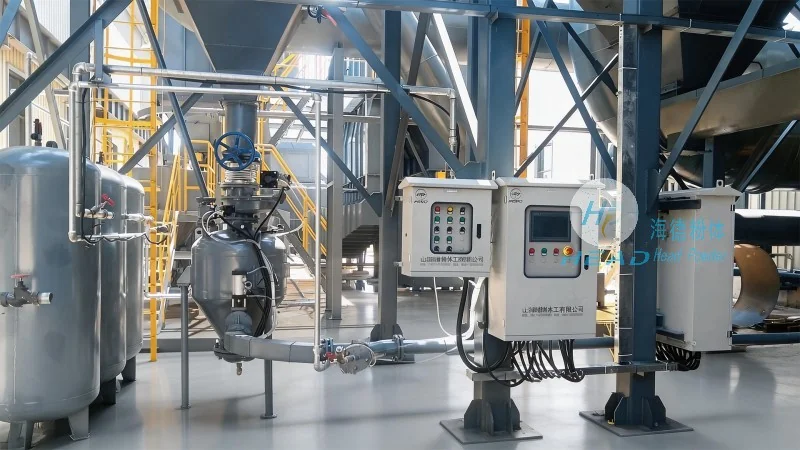
Understanding Plastic Pellet Material Conveying
Plastic pellet material conveying refers to the method of transporting plastic granules, often in bulk, from a storage or processing area to a manufacturing machine or another processing stage. These pellets are typically produced through processes like extrusion, where raw plastic materials are melted and then cut into small, uniform pellets. The conveying system is responsible for moving these pellets in a controlled manner, ensuring minimal loss, contamination, and energy consumption. The primary goal is to maintain the quality of the pellets while facilitating seamless integration into downstream production processes.
Key Components of Plastic Pellet Conveying Systems
The design of a plastic pellet conveying system typically includes several key components that work in tandem to achieve efficient material transport. These components may include hoppers or feeders for initial material storage and controlled discharge, conveyors such as screw conveyors, belt conveyors, or pneumatic systems for actual movement, and control systems to regulate the flow rate and direction of the pellets. Each component plays a crucial role in the overall performance of the system, and their selection depends on factors like the type of plastic, the required conveying capacity, and the distance over which the material needs to be transported.
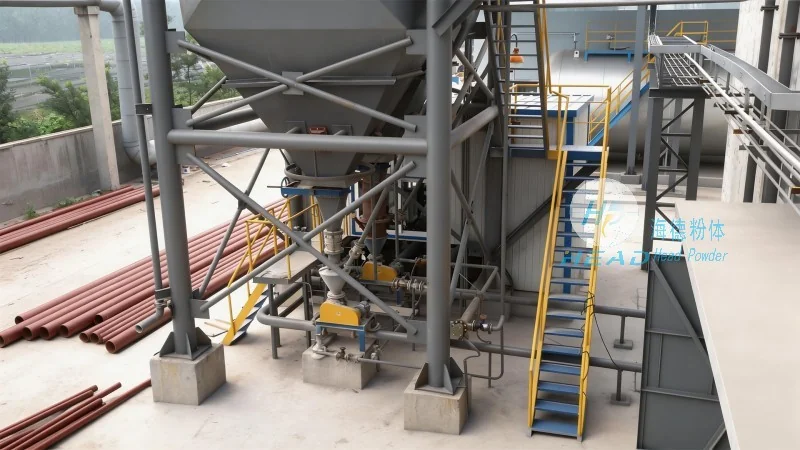
Design Principles for Efficient Conveying
The design principles for plastic pellet material conveying are centered around optimizing the flow of material, minimizing friction and wear, and ensuring consistent speed and direction. One of the fundamental principles is the use of appropriate conveying equipment that matches the characteristics of the plastic pellets. For example, screw conveyors are commonly used for vertical or inclined transport due to their ability to handle a wide range of materials and maintain a steady flow. Belt conveyors are suitable for horizontal or slightly inclined transport, offering high capacity and low maintenance. Pneumatic conveying systems, on the other hand, use air pressure to move pellets, which is ideal for handling fine or dusty materials but may require more energy.
Another critical design principle is the consideration of material properties. Plastic pellets can vary in size, density, and moisture content, which affects their flow characteristics. The design must account for these variations to prevent issues like blockages, segregation, or uneven flow. For instance, adding a vibratory feeder or a pre-screening step can help ensure consistent material size and prevent oversized particles from clogging the conveyor. Additionally, the system should be designed to minimize friction and wear, as plastic pellets can be abrasive over time. This involves using materials like stainless steel or special coatings for conveyor components to extend the system's lifespan and reduce maintenance costs.
Control and Automation in Conveying Systems
Modern plastic pellet conveying systems often incorporate advanced control and automation features to enhance efficiency and reliability. These systems may include sensors to monitor the flow rate, level of material in hoppers, and any potential blockages or malfunctions. The control system can then adjust the speed of the conveyor or the feed rate from the hopper to maintain optimal conditions. Automation also helps in reducing human error and increasing production consistency. For example, a programmable logic controller (PLC) can be used to integrate the conveying system with other production equipment, such as extruders or injection molding machines, ensuring that the material is delivered at the right time and in the right quantity. This integration improves overall production efficiency and reduces downtime.
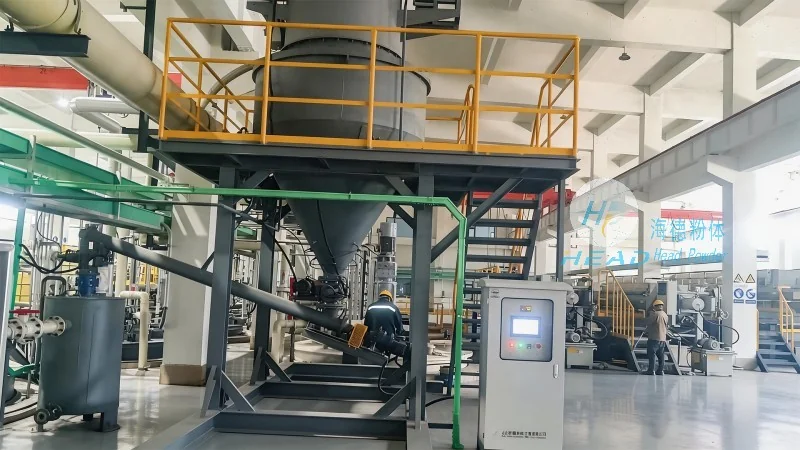
Applications and Industries
Plastic pellet material conveying is widely used across various industries that rely on plastic processing. These include the automotive industry, where plastic pellets are used to manufacture components like bumpers and interior parts; the packaging industry, which uses pellets to produce containers, bottles, and films; and the construction industry, where plastic pellets are used in building materials like plastic lumber. The efficiency of the conveying system directly impacts the productivity and quality of the final products in these industries. Therefore, the design and maintenance of these systems are critical for businesses to remain competitive and meet production demands.
Conclusion
In summary, plastic pellet material conveying is a vital process in the plastic manufacturing industry, involving the efficient transport of plastic granules from storage to processing equipment. The design of such systems is based on several key principles, including the selection of appropriate conveying equipment, consideration of material properties, and the integration of control and automation features. By optimizing these aspects, manufacturers can ensure smooth production workflows, minimize costs, and maintain the quality of their plastic products. The expertise of companies like Shandong HeadPowder Engineering Co., Ltd. in designing and implementing these systems is crucial for achieving these goals and staying ahead in the competitive market.




