Understanding catalyst material handling is crucial for industries that rely on efficient and reliable processing of catalysts. This article explores the fundamental aspects of catalyst material handling systems, including their design principles and the key considerations that ensure optimal performance in industrial applications.
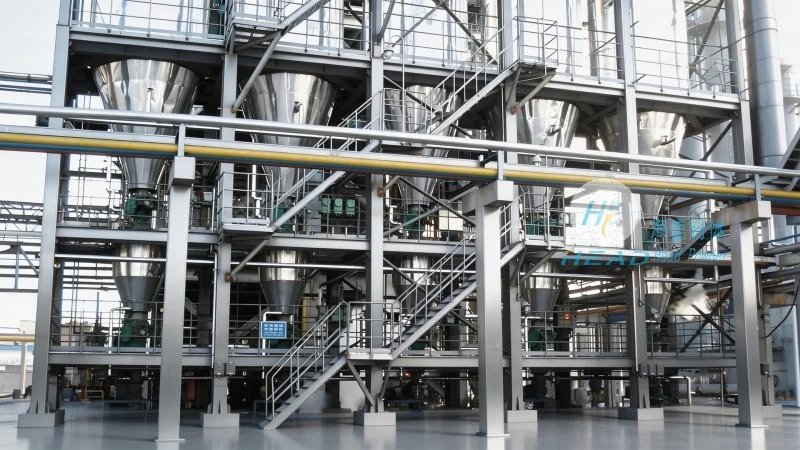
Catalyst Material Handling: An Overview
Catalyst material handling refers to the processes and equipment used to transport, store, and manage catalysts throughout various stages of industrial operations. Catalysts are essential in chemical reactions, as they accelerate the rate of reactions without being consumed in the process. However, their handling requires specialized equipment due to their often delicate nature, varying particle sizes, and potential reactivity with other materials. The goal of catalyst material handling is to maintain the integrity of the catalyst, minimize loss or degradation, and ensure consistent performance in downstream processes.
Key Design Principles for Catalyst Material Handling Systems
The design of catalyst material handling systems is guided by several critical principles to ensure safety, efficiency, and durability. These principles include:
1. Material Compatibility: The equipment must be compatible with the specific catalyst being handled. This involves selecting materials that do not react with the catalyst or cause contamination. For instance, certain catalysts may be sensitive to moisture or acidic environments, requiring equipment made from corrosion-resistant materials like stainless steel or specialized polymers.
2. Minimizing Particle Attrition: Catalysts are often in the form of powders or granules, and excessive friction or impact during handling can cause particle attrition, reducing their surface area and effectiveness. Design principles focus on using gentle handling methods, such as pneumatic conveying or low-speed screw conveyors, to minimize wear and tear on the catalyst particles.
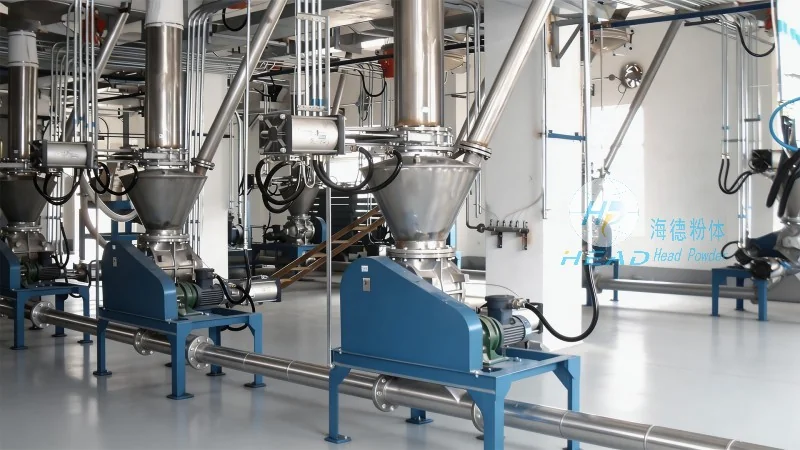
3. Preventing Contamination: Catalysts are highly sensitive to impurities, which can alter their performance or even deactivate them. Therefore, the design of material handling systems emphasizes containment and cleanroom practices. This includes using sealed systems, filtration, and proper sealing of transfer points to prevent cross-contamination from other materials or the environment.
4. Efficient Flow and Control: Proper design ensures that catalysts flow smoothly and can be controlled precisely. This involves considerations like the angle of inclination for hoppers, the use of appropriate valves and feeders, and the integration of sensors to monitor flow rates and levels. Efficient flow control is essential for maintaining consistent catalyst addition rates in reactors and preventing blockages or overfilling.
Components of a Typical Catalyst Material Handling System
A typical catalyst material handling system consists of several key components that work together to achieve the desired handling objectives. These components include:
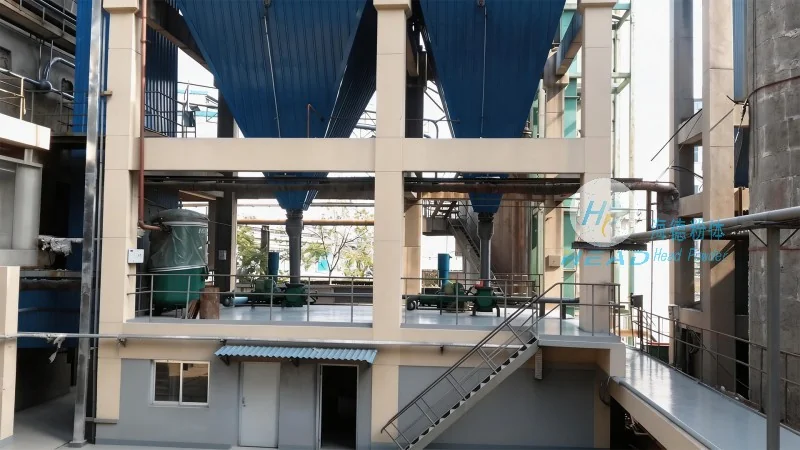
1. Storage Hoppers: These are used to store catalysts in bulk quantities. The design of hoppers is critical to ensure proper flow of the catalyst material. Conical or wedge-shaped hoppers are commonly used to promote uniform flow and prevent bridging or rat-holing, which can lead to uneven discharge.
2. Conveying Equipment: This includes various types of equipment to transport catalysts from storage to processing units. Common options include screw conveyors, pneumatic conveyors, and bucket elevators. The choice of conveying method depends on the properties of the catalyst, such as particle size, density, and moisture content, as well as the distance and layout of the handling system.
3. Feeding and Dosing Systems: These components control the rate at which catalysts are added to reactors or other processing equipment. Accurate dosing is crucial for maintaining the desired reaction conditions and preventing overloading or underloading. Systems may include gravimetric feeders, volumetric screw feeders, or pneumatic dosing units, each with its own advantages depending on the application.
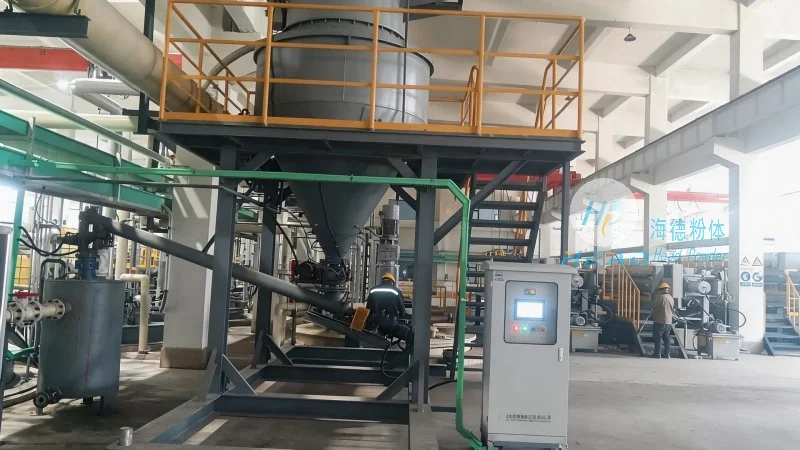
4. Valves and Seals: Properly designed valves and seals are essential to maintain the integrity of the material handling system and prevent leaks or contamination. This includes using specialized valves like rotary valves, slide gates, or butterfly valves that are compatible with the catalyst and can handle the pressure and flow rates required.
The Role of HeadPowder in Catalyst Material Handling Solutions
Shandong HeadPowder Engineering Co., Ltd., a leading provider of catalyst material handling solutions, specializes in designing and manufacturing systems tailored to the unique needs of industrial applications. With a focus on innovation and customer-centric design, HeadPowder ensures that their systems adhere to the key principles discussed above, delivering reliable and efficient catalyst handling solutions.
HeadPowder's expertise lies in understanding the specific challenges of catalyst handling, such as the need for gentle handling, contamination prevention, and precise control. Their team of engineers works closely with clients to develop customized solutions that meet their operational requirements and budget constraints. The company's facilities are located in Shandong, China, where they leverage advanced manufacturing techniques and quality control processes to produce high-performance material handling equipment.
Conclusion
In summary, catalyst material handling is a critical aspect of industrial operations, requiring specialized equipment and design principles to ensure the integrity and performance of catalysts. By adhering to principles like material compatibility, minimizing attrition, preventing contamination, and ensuring efficient flow control, industries can optimize their catalyst handling processes. Companies like Shandong HeadPowder Engineering Co., Ltd. play a vital role in providing tailored solutions that meet these demands, helping to enhance operational efficiency and product quality in various chemical and industrial sectors.




