For industrial facilities dealing with combustion processes, efficient ash handling is crucial for maintaining operational efficiency and environmental compliance. Ash handling systems are designed to collect, transport, and dispose of ash generated from boilers, furnaces, and other combustion equipment. Understanding the different types of ash handling methods is essential for selecting the most suitable system for a specific application. This article explores the primary methods used for ash handling, focusing on their mechanisms, advantages, and typical applications.
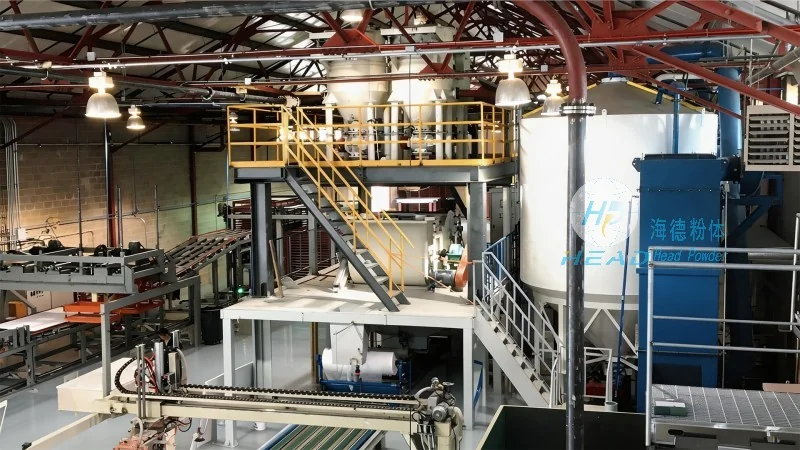
1. Mechanical Conveying Systems
Mechanical conveying systems are among the most common methods for transporting ash from the source to the disposal or treatment area. These systems utilize mechanical components such as screws, belts, or chains to move ash through a pipeline or conveyor. One of the most widely used mechanical conveyors for ash is the ash screw conveyor, which consists of a rotating screw within a tube. As the screw rotates, it pushes the ash forward, ensuring a continuous and controlled flow. Screw conveyors are particularly effective for handling dry or semi-dry ash and can operate in both horizontal and inclined configurations. They are often used in power plants and industrial boilers where the ash is relatively dry and free-flowing. The main advantages of mechanical conveyors include their simplicity, low maintenance requirements, and ability to handle a wide range of ash compositions. However, they may experience issues with blockages if the ash is too wet or contains large, unbreakable particles. To mitigate this, some systems incorporate features like variable speed drives or anti-jamming mechanisms.
2. Pneumatic Conveying Systems
Pneumatic conveying systems use air or other gases to transport ash through a pipeline. This method is particularly suitable for handling fine or powdery ash, as well as ash that is difficult to move mechanically. There are two main types of pneumatic conveyors: positive displacement and pressure-assisted systems. Positive displacement systems, such as rotary lobe or piston pumps, create a vacuum or pressure to draw ash into the pipeline and move it to the destination. These systems are effective for long-distance transport and can handle abrasive or corrosive ash without significant wear. Pressure-assisted systems, on the other hand, use compressed air to push ash through the pipeline, often in combination with a vacuum source at the receiving end. Pneumatic conveyors are advantageous for applications where the ash needs to be transported over long distances or through complex layouts. They can also be integrated with dust collection systems to improve air quality. However, they require higher energy consumption compared to mechanical systems and may need regular maintenance of air compressors and filters.
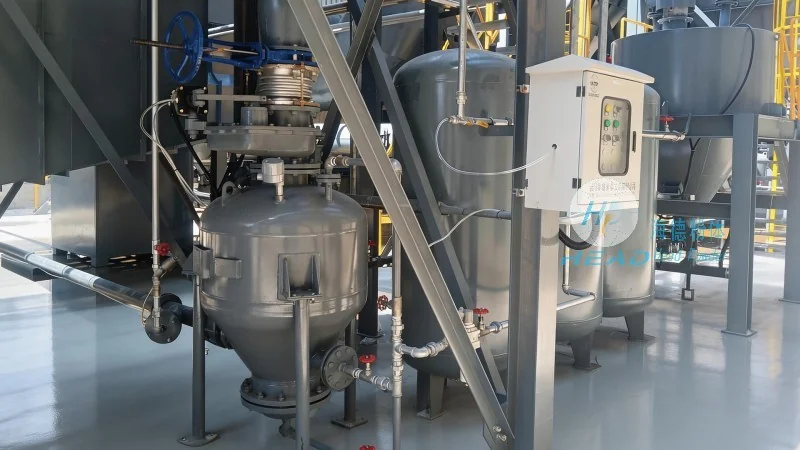
3. Hydraulic Conveying Systems
Hydraulic conveying systems utilize water or other liquids to transport ash in a slurry form. This method is commonly used for wet ash or ash with high moisture content. The ash is mixed with water to create a slurry, which is then pumped through a pipeline to the disposal site, such as a landfill or ash pond. Hydraulic systems are particularly effective for handling ash that is difficult to dry or transport mechanically. They can also be used to transport ash over long distances and through varying terrain. The main advantage of hydraulic conveying is its ability to handle abrasive ash without causing excessive wear on the pipeline or pumps. However, these systems require significant water usage and may generate additional wastewater that needs to be treated before disposal. The cost of water and treatment can be a factor in the overall operational expenses. Additionally, hydraulic systems may be less suitable for applications where the ash needs to be processed further, as the slurry may need to be dewatered before use.
4. Gravity Conveying Systems
Gravity conveying systems rely on the natural force of gravity to move ash from a higher elevation to a lower one. This method is typically used in applications where the ash is generated at a higher level and needs to be discharged at a lower level, such as in coal-fired power plants. The ash is allowed to flow through a chute or pipeline under the influence of gravity, with minimal or no mechanical assistance. Gravity systems are simple and low-cost, as they do not require any moving parts or energy input. They are particularly effective for handling dry ash that is free-flowing and does not contain large, unbreakable particles. The main advantage of gravity conveying is its low maintenance and energy consumption. However, it is limited by the topography of the site and the need for a suitable slope to ensure proper flow. If the ash is too wet or contains clumps, it may not flow efficiently through the system, leading to blockages or uneven discharge. To improve performance, some gravity systems may incorporate features like vibration or air-assisted flow to help move the ash.
5. Magnetic Separation and Conveying
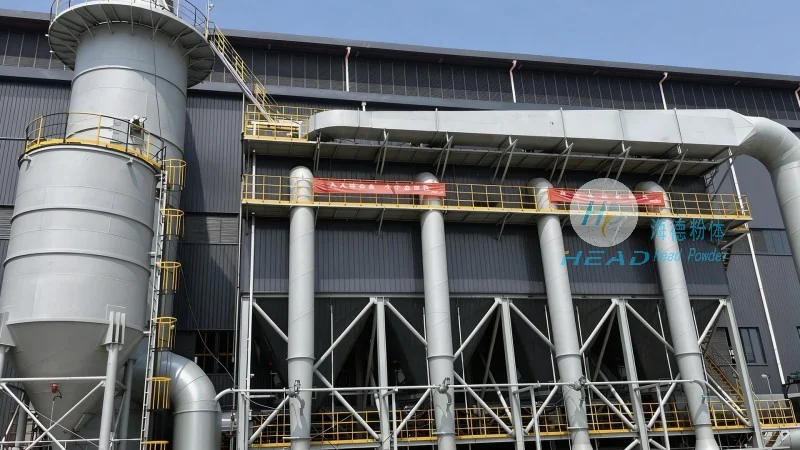
In some applications, ash may contain ferrous materials or metal fragments that need to be separated before disposal. Magnetic separation systems are used to extract these materials from the ash stream. The ash is passed through a magnetic field, where ferrous particles are attracted to the magnet and separated from the non-magnetic ash. The separated metal can then be recycled, while the non-magnetic ash is conveyed to the disposal site. This method is particularly useful in power plants where ash may contain metal fragments from the fuel or equipment. Magnetic separation can improve the quality of the ash for disposal and reduce the need for additional treatment. The system typically includes a magnetic separator, a conveyor for the non-magnetic ash, and a mechanism for collecting the separated metal. The main advantage of magnetic separation is its ability to recover valuable materials from the ash stream, reducing waste and improving resource efficiency. However, it requires additional equipment and may increase the complexity of the ash handling system.
6. Combining Multiple Methods
In many industrial settings, a single ash handling method may not be sufficient to meet all the requirements of the application. Therefore, combining multiple methods is often necessary to achieve optimal performance. For example, a system may use a mechanical conveyor to transport ash from the boiler to a storage silo, followed by a pneumatic conveyor to move the ash to the disposal site. Alternatively, a hydraulic system may be used to transport wet ash to a dewatering facility, where it is then processed using a mechanical conveyor. Combining methods allows for flexibility and adaptability to different ash characteristics and site conditions. It also enables the optimization of each component for its specific role, improving overall efficiency and reducing operational costs. However, integrating multiple systems requires careful planning and coordination to ensure smooth operation and minimal downtime. Proper maintenance and monitoring of each component are essential to prevent issues such as blockages or equipment failure.
7. Factors Influencing the Choice of Ash Handling Method
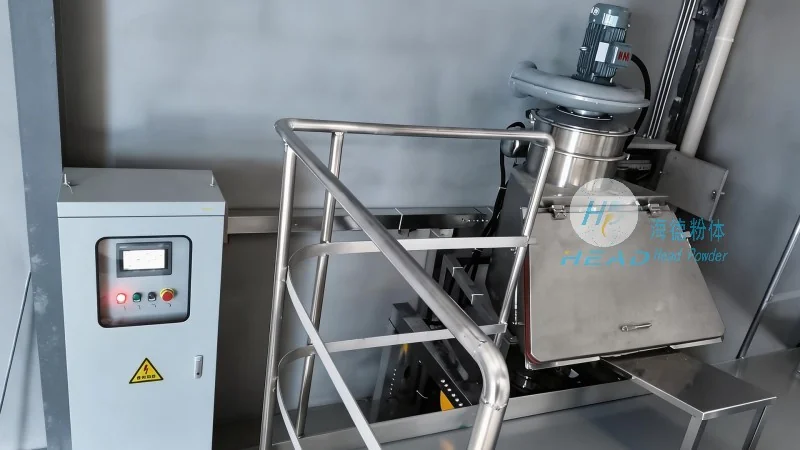
The choice of ash handling method depends on several factors, including the type and characteristics of the ash, the distance to be transported, the site layout, and the environmental regulations. The type of ash, such as dry, wet, or slurry, is a critical factor, as different methods are better suited for each type. For example, mechanical conveyors are ideal for dry ash, while pneumatic or hydraulic systems are more suitable for wet or fine ash. The distance to be transported also plays a role, as mechanical systems are generally better for short distances, while pneumatic or hydraulic systems can handle longer distances. The site layout and available space are also important considerations, as some systems require more space or specific infrastructure. Environmental regulations may also influence the choice, as certain methods may be required to meet emission or disposal standards. For instance, some regions may require the use of dust collection systems or water treatment for ash handling. Additionally, the cost of the system, including initial investment and operational expenses, is a key factor in the decision-making process. Companies must weigh the benefits of each method against the costs to select the most cost-effective and efficient solution.
8. Conclusion
Efficient ash handling is a critical aspect of industrial operations, particularly in power generation and manufacturing. The choice of ash handling method depends on various factors, including the ash characteristics, transportation distance, site conditions, and environmental regulations. Mechanical, pneumatic, hydraulic, gravity, and magnetic separation systems each offer unique advantages and are suitable for different applications. By understanding the mechanisms and benefits of each method, industrial facilities can select the most appropriate system to ensure smooth operation, minimize downtime, and comply with environmental standards. As technology advances, new methods and improvements to existing systems may emerge, further enhancing the efficiency and sustainability of ash handling processes. For facilities in China, such as those located in Shandong, companies like Shandong HeadPowder Engineering Co., Ltd. provide expertise and solutions tailored to the specific needs of ash handling, ensuring optimal performance and compliance with local regulations.




