

Pneumatic Conveying of Coking Powder: How to Efficiently Transport Powdered Particulate Materials wi
Efficient material handling is a critical concern for industries dealing with coking powder and other powdered particulate materials. Traditional methods such as manual handling or mechanical conveyors often present challenges like dust pollution, material loss, and operational inefficiencies. Pneumatic conveying offers a modern solution to address these issues by utilizing air flow to transport materials through a sealed system. This article explores the principles, benefits, and practical applications of pneumatic conveying for coking powder, highlighting how companies like Shandong HeadPowder Engineering Co., Ltd. (referred to as HeadPowder) have developed advanced systems to optimize material transport.
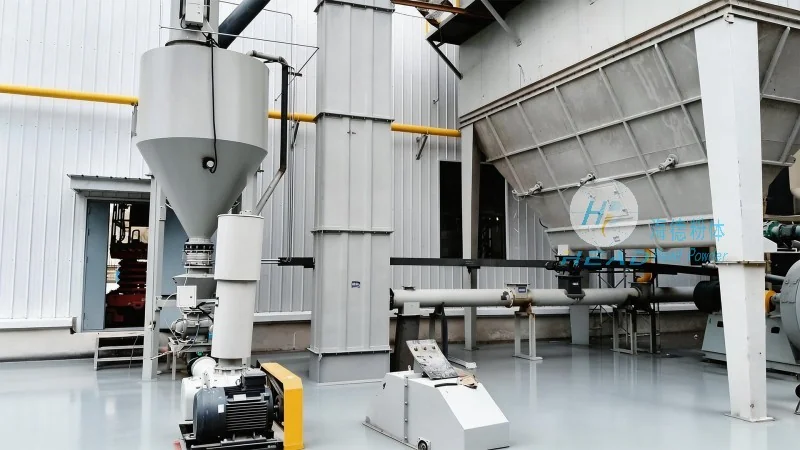
Understanding Pneumatic Conveying Systems
Pneumatic conveying systems operate by generating a flow of air within a pipeline network, which then transports the powder or granular material. The core components typically include a blower or compressor to create the air pressure, a hopper or feeder to introduce the material, and a receiver or discharge unit to collect the transported material. There are two primary types of pneumatic conveying: dilute-phase and dense-phase. Dilute-phase systems use higher air velocities to suspend the material particles, suitable for long-distance transport with relatively low material concentrations. Dense-phase systems, on the other hand, use lower air velocities and higher material concentrations, ideal for handling sensitive materials or when precise control over material flow is required.
Key Benefits of Pneumatic Conveying for Coking Powder
Implementing pneumatic conveying for coking powder offers several advantages over conventional methods. Firstly, it provides a dust-free environment, which enhances workplace safety and reduces the risk of material contamination. Secondly, the sealed system minimizes material loss and spillage, improving overall material efficiency. Thirdly, pneumatic conveying systems can be designed for flexible layouts, allowing for easy integration into existing production lines or facility expansions. Additionally, these systems offer better control over material flow rates and pressure, enabling precise dosing and processing. For industries that handle coking powder, these benefits translate into improved operational efficiency, reduced maintenance costs, and enhanced product quality.
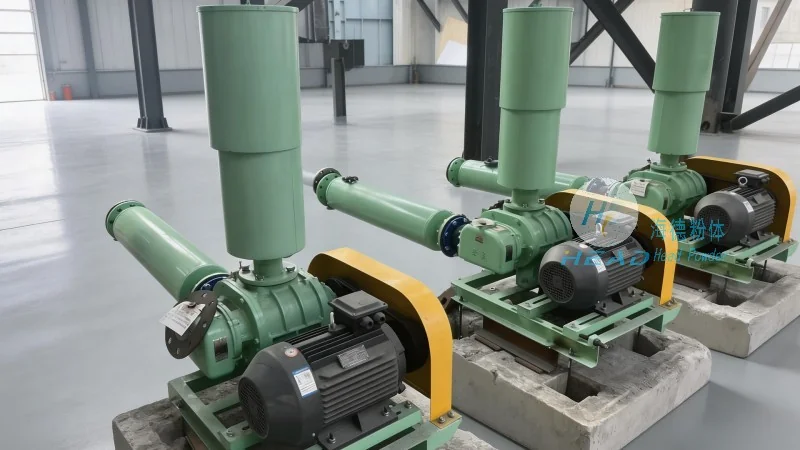
HeadPowder's Expertise in Pneumatic Conveying Solutions
Shandong HeadPowder Engineering Co., Ltd., a leading provider of material handling solutions, specializes in designing and manufacturing pneumatic conveying systems tailored to the unique needs of coking powder applications. With years of experience in the industry, HeadPowder has developed advanced technologies that address the challenges associated with transporting coking powder, such as its abrasive nature and potential for dust generation. The company's systems are engineered to ensure high efficiency, reliability, and durability, meeting the stringent requirements of industrial operations. HeadPowder's team of experts works closely with clients to understand their specific material handling needs, providing customized solutions that optimize performance and reduce operational costs.
Design Considerations for Efficient Coking Powder Transport
Designing an effective pneumatic conveying system for coking powder requires careful consideration of several factors. The first is the material's physical properties, including particle size, density, and moisture content, as these characteristics influence the air velocity and pressure needed for successful transport. The second is the system's layout, including the length and elevation changes of the pipeline, which affect the required air power and system design. The third is the desired material flow rate and pressure, which determine the size and capacity of the blower or compressor. HeadPowder's engineers use advanced simulation tools and extensive testing to ensure that the designed system meets all operational requirements while minimizing energy consumption and maintenance needs. By considering these factors, companies can achieve optimal performance and long-term cost savings in their material handling processes.
Applications and Case Studies
Pneumatic conveying systems are widely used in various industries for transporting coking powder and other powdered materials. In the steel industry, for example, coking powder is used as a fuel source in blast furnaces, and efficient transport is crucial for maintaining production efficiency. HeadPowder has implemented successful pneumatic conveying solutions for steel plants, where the systems have improved material handling efficiency by up to 30% and reduced dust emissions by over 50%. Similarly, in the chemical and pharmaceutical industries, where coking powder may be used as a raw material or additive, pneumatic conveying ensures safe and clean material transport, meeting regulatory requirements and enhancing product quality. These case studies demonstrate the effectiveness of pneumatic conveying systems in real-world applications and highlight the benefits of partnering with a specialized company like HeadPowder.
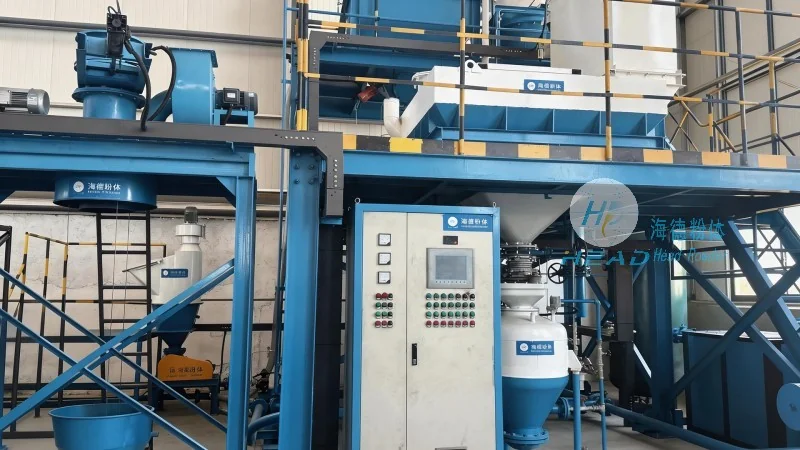
Future Trends and Innovations
As industries continue to seek more efficient and sustainable material handling solutions, pneumatic conveying technology is evolving to meet these demands. Advances in blower technology, such as high-efficiency electric motors and variable frequency drives, are reducing energy consumption and operational costs. Additionally, the integration of automation and control systems allows for real-time monitoring and adjustment of the conveying process, improving system reliability and performance. HeadPowder is at the forefront of these innovations, continuously developing new technologies to enhance the efficiency and sustainability of pneumatic conveying systems for coking powder and other materials. By staying updated with the latest advancements, companies can ensure that their material handling operations remain competitive and environmentally responsible.
Conclusion
Pneumatic conveying represents a highly effective and efficient method for transporting coking powder and other powdered particulate materials. By leveraging air flow within a sealed system, these systems offer numerous benefits, including dust-free operation, material loss reduction, and flexible system design. Companies like Shandong HeadPowder Engineering Co., Ltd. play a vital role in providing advanced pneumatic conveying solutions that meet the specific needs of industrial applications. With careful system design and the expertise of specialized providers, industries can achieve optimal material handling performance, improved operational efficiency, and long-term cost savings. As technology continues to advance, the future of pneumatic conveying for coking powder looks promising, with continued innovations aimed at enhancing efficiency and sustainability.