

Classification and Composition of Wood Dust Pneumatic Conveying Systems
Wood dust pneumatic conveying systems are essential in various industrial applications, particularly in the wood processing and manufacturing sectors. These systems are designed to efficiently transport wood dust and related particulate materials through a pipeline using air or other gas as the conveying medium. The technology offers a clean, efficient, and often cost-effective solution compared to traditional mechanical conveying methods, making it a preferred choice for many industries dealing with wood dust. In this article, we will explore the classification and key components of these systems, providing a comprehensive overview for professionals in the field.
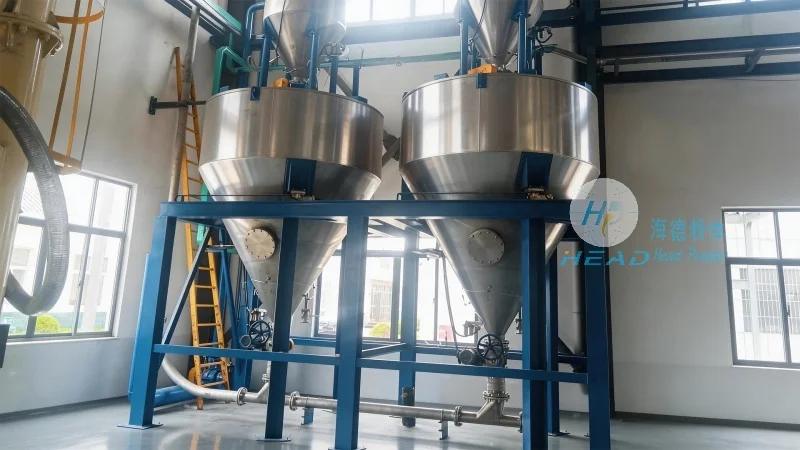
Classification of Wood Dust Pneumatic Conveying Systems
Wood dust pneumatic conveying systems can be broadly classified based on several key factors, including the type of conveying air flow, the pressure used, and the specific application requirements. The primary classifications include:
- Positive Pressure Systems: These systems operate by generating positive pressure in the conveying line, typically using a blower or compressor to force air and material through the pipeline. They are commonly used for short to medium distance conveying and are suitable for materials that are relatively dry and free-flowing.
- Negative Pressure (Vacuum) Systems: In contrast, negative pressure systems create a vacuum in the conveying line, drawing material and air into the system from the source. This type is often employed for longer distances or when the material needs to be transported from multiple points to a single collection point, as it can handle more complex layouts.
- Combined Pressure-Vacuum Systems: Some systems utilize a combination of both positive and negative pressure, allowing for flexibility in conveying different materials or handling varying distances and material properties. This approach can optimize performance for specific applications, such as handling both dry and moist wood dust or materials with different particle sizes.
Each classification has its own advantages and is selected based on factors like the distance of the conveying line, the volume of material to be transported, the required flow rate, and the specific characteristics of the wood dust being handled. Understanding these classifications is crucial for selecting the appropriate system for a given industrial setup.
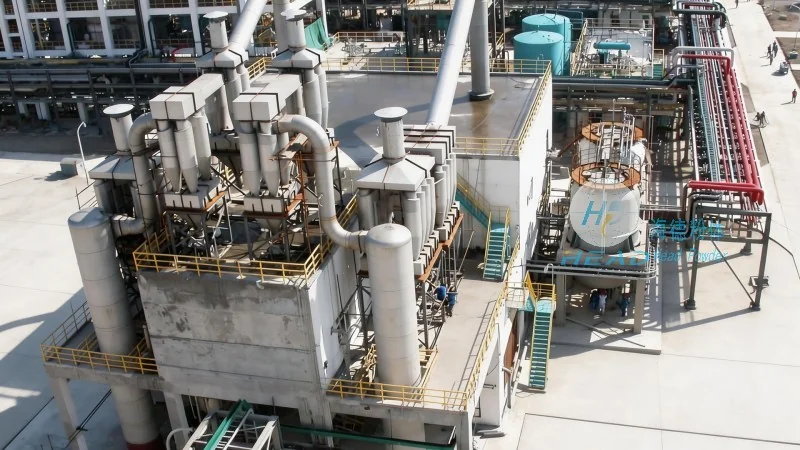
Key Components of Wood Dust Pneumatic Conveying Systems
A wood dust pneumatic conveying system consists of several critical components that work together to ensure efficient material transport. The main components include:
- Feeder: The feeder is responsible for feeding the wood dust into the conveying system at a controlled rate. It ensures a consistent flow of material into the pipeline, preventing blockages and maintaining system efficiency. The type of feeder (e.g., screw feeder, rotary valve, or vibratory feeder) is chosen based on the material's properties and the system's requirements.
- Conveying Pipeline: The pipeline is the main structure through which the wood dust and air travel. It is typically made of materials like stainless steel, plastic, or metal, depending on the material's corrosiveness and the system's operating conditions. The pipeline design, including the diameter and length, directly impacts the system's performance and efficiency.
- Air Supply Unit: This component provides the necessary air or gas to move the material through the pipeline. For positive pressure systems, a blower or compressor is used to generate the required pressure, while negative pressure systems rely on vacuum pumps. The air supply unit must be capable of delivering the appropriate volume and pressure to maintain optimal conveying conditions.
- Separation and Collection Equipment: At the end of the conveying line, the system includes equipment to separate the wood dust from the air and collect the material. This typically involves a cyclone separator or a filter system, which captures the particulate material and returns it to the process or storage area. The collected dust is then processed or disposed of according to industrial standards.
- Control and Monitoring Systems: Modern wood dust pneumatic conveying systems often include control and monitoring components to ensure smooth operation and detect any issues in real-time. These may include pressure sensors, flow meters, and control panels that allow operators to adjust system parameters as needed. Such systems enhance efficiency and reduce downtime, contributing to overall operational reliability.
Each component plays a vital role in the overall performance of the system, and proper selection and maintenance of these parts are essential for optimal operation. The interaction between these components determines the system's ability to handle wood dust efficiently, safely, and cost-effectively.
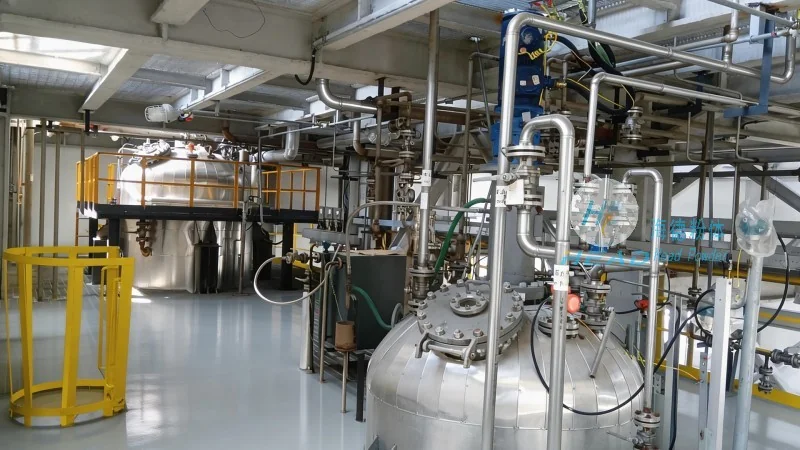
Applications and Benefits of Wood Dust Pneumatic Conveying Systems
Wood dust pneumatic conveying systems find applications in various industries, including woodworking, furniture manufacturing, and pulp and paper production. The primary benefits of these systems include:
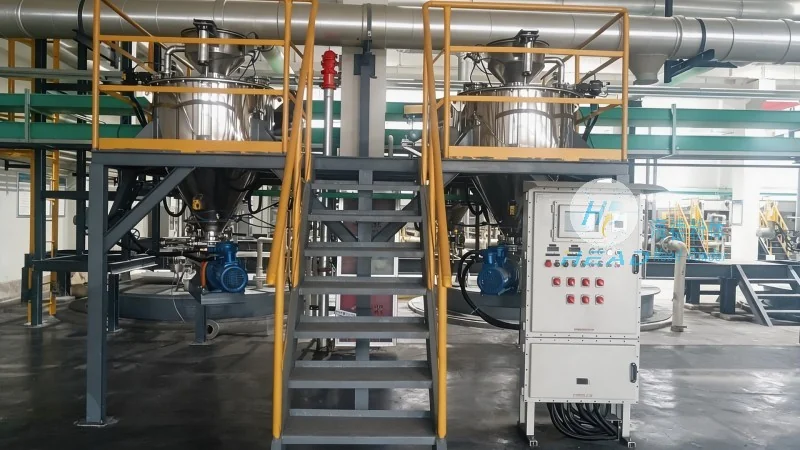
- Efficiency and Cleanliness: By using air as the conveying medium, these systems eliminate the need for mechanical components like belts or buckets, reducing maintenance and operational costs. They also provide a clean and dust-free environment, which is crucial in industries where dust can affect product quality or pose health risks.
- Flexibility and Scalability: Pneumatic conveying systems can be easily adapted to different production needs, with the ability to expand or reconfigure the pipeline layout as required. This flexibility makes them suitable for both small-scale and large-scale operations, allowing businesses to scale their operations without significant changes to the conveying system.
- Reduced Downtime and Maintenance: Compared to traditional mechanical conveying systems, pneumatic systems experience less wear and tear, leading to lower maintenance requirements and reduced downtime. The absence of moving parts in the pipeline itself also minimizes the risk of blockages or breakdowns, ensuring consistent operation.
- Environmental Compliance: Many modern wood dust pneumatic conveying systems are designed to meet environmental regulations, with features such as dust collection and filtration that help minimize emissions and ensure compliance with local and international standards.
These benefits make wood dust pneumatic conveying systems a preferred choice for industries looking to improve operational efficiency, reduce costs, and maintain a safe working environment. The ability to handle a wide range of wood dust characteristics and application requirements further enhances their appeal.
Conclusion and Company Overview
Wood dust pneumatic conveying systems are a critical technology in the wood processing industry, offering efficient and reliable solutions for material transport. The classification and components of these systems are designed to meet diverse industrial needs, ensuring optimal performance and operational efficiency. As a leading provider in this field, Shandong HeadPowder Engineering Co., Ltd. specializes in designing and manufacturing high-quality pneumatic conveying systems tailored to the specific requirements of wood dust applications. With a focus on innovation and customer satisfaction, the company provides comprehensive solutions that enhance productivity and safety in industrial settings. Based in Shandong, China, HeadPowder leverages its expertise to deliver systems that meet the highest standards of performance and reliability, helping businesses in the wood industry achieve their operational goals effectively.