

Analysis of Aluminum Dross Pneumatic Conveying Systems
HeadPowder, a leading engineering firm based in Shandong, China, specializes in the design and implementation of advanced pneumatic conveying systems tailored for handling aluminum dross. This article provides an in-depth analysis of the aluminum dross pneumatic conveying system, highlighting its technical features, operational benefits, and practical applications within industrial settings.
Understanding Aluminum Dross and Its Handling Challenges
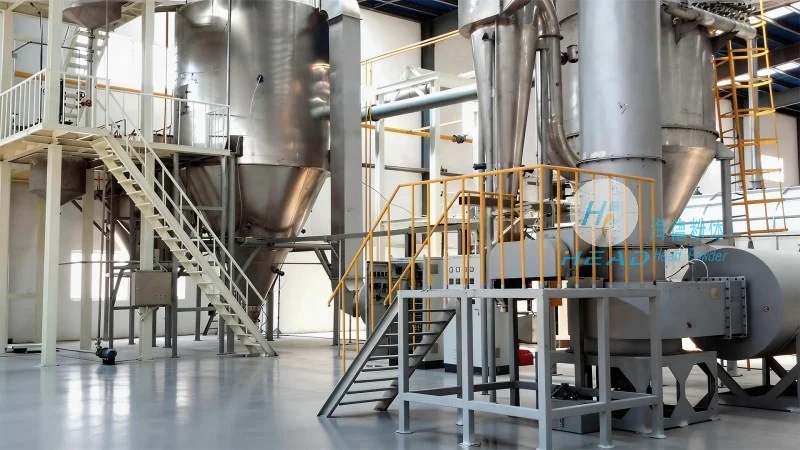
Aluminum dross is a byproduct generated during the aluminum smelting and casting processes. It consists of a mixture of metal particles, oxides, and other impurities that require efficient separation and transport for recycling or disposal. Traditional handling methods, such as manual shoveling or bucket elevators, often pose significant challenges, including dust generation, material loss, and operational inefficiencies. The aluminum dross pneumatic conveying system addresses these challenges by utilizing air as the conveying medium, enabling a safe, dust-free, and automated transport solution.
Key Components of the Aluminum Dross Pneumatic Conveying System
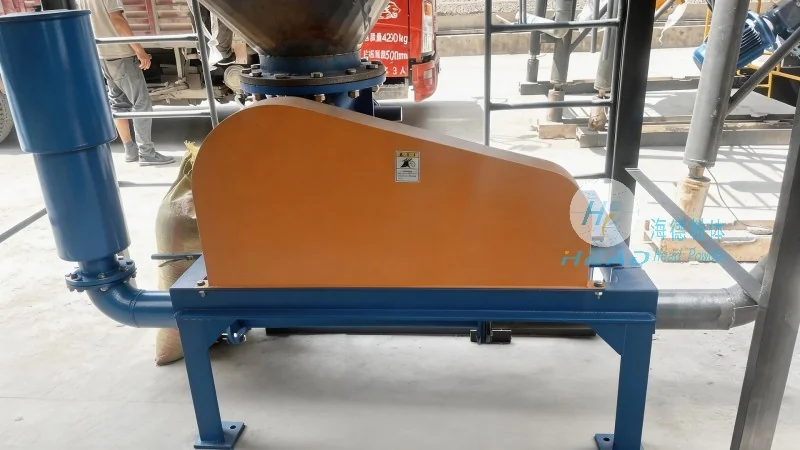
The aluminum dross pneumatic conveying system comprises several critical components that work in tandem to ensure reliable operation. These include a hopper for material storage, a rotary feeder to control the flow of dross, a positive displacement blower or air compressor to generate the conveying air pressure, a pipeline network for material transport, and a receiver or discharge unit for material deposition. Each component is engineered to withstand the abrasive nature of aluminum dross and maintain long-term performance.
Operational Principles and Benefits
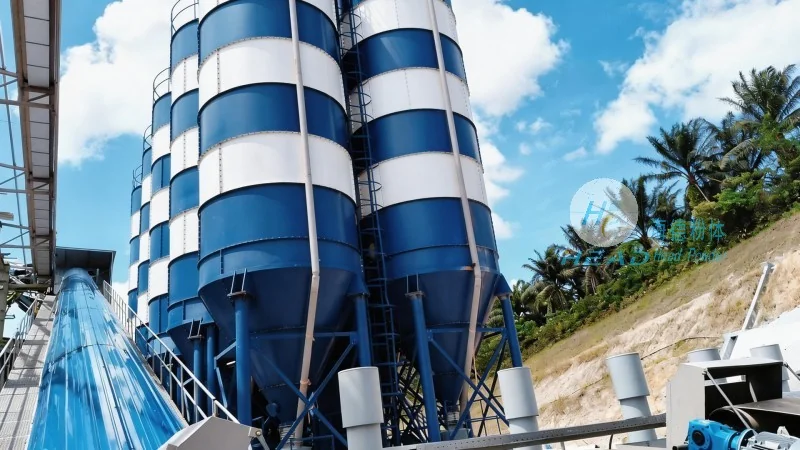
The system operates on the principle of pneumatic transport, where the aluminum dross is suspended in a stream of air and propelled through the pipeline. This method offers several advantages over conventional bulk material handling techniques. Firstly, it eliminates the need for mechanical components in contact with the material, reducing wear and tear and extending equipment lifespan. Secondly, the enclosed pipeline system minimizes dust emissions, improving workplace safety and environmental compliance. Thirdly, the system allows for flexible routing of the conveying line, enabling material to be transported to multiple destinations from a single source. Additionally, the automated control system ensures precise flow regulation, enhancing operational efficiency and reducing labor costs.
Application Scenarios and Performance Metrics
The aluminum dross pneumatic conveying system is widely applied in aluminum processing plants, recycling facilities, and foundries. It is particularly effective for handling large volumes of dross with varying particle sizes and moisture content. Performance metrics, such as conveying capacity, pressure drop, and energy consumption, are optimized through careful system design and component selection. For instance, the system can achieve conveying capacities ranging from 10 to 200 tons per hour, depending on the specific application requirements. The pressure drop across the pipeline is typically maintained within a range of 0.5 to 2.0 bar, ensuring efficient air usage and minimizing energy costs.
Installation and Maintenance Considerations
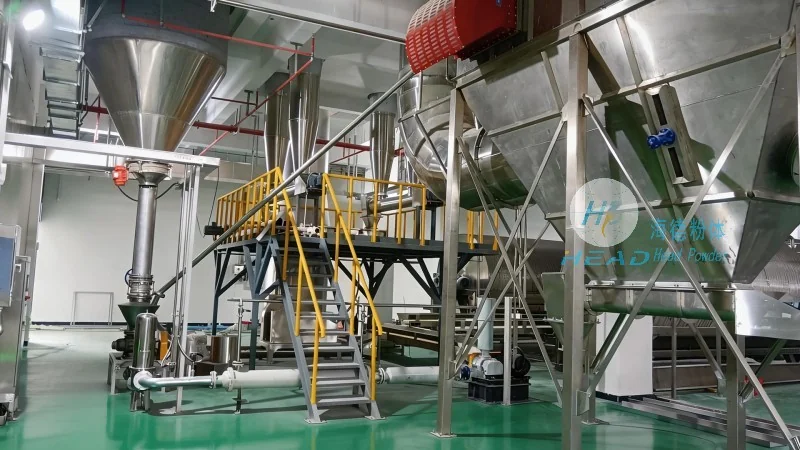
Proper installation and regular maintenance are crucial for the long-term reliability of the aluminum dross pneumatic conveying system. During installation, the pipeline layout is designed to minimize bends and vertical lifts, as excessive pressure drops can reduce conveying efficiency. The use of abrasion-resistant materials, such as stainless steel or special coatings, for the pipeline and components is recommended to handle the abrasive nature of aluminum dross. Routine maintenance activities include checking air compressor performance, cleaning filter elements, inspecting rotary feeders for wear, and monitoring pipeline pressure. Regular maintenance schedules, typically every 200 to 500 hours of operation, help prevent system failures and ensure consistent performance.
Conclusion and Future Developments
In conclusion, the aluminum dross pneumatic conveying system offered by Shandong HeadPowder Engineering Co., Ltd. represents a sophisticated solution for the efficient and safe handling of aluminum dross. By leveraging advanced engineering principles and robust component design, the system addresses the unique challenges associated with aluminum dross processing, providing industrial clients with a reliable and cost-effective material transport solution. As technology advances, future developments may include the integration of smart sensors for real-time monitoring, automated control systems for enhanced efficiency, and sustainable energy sources to further reduce operational costs and environmental impact.