When it comes to efficiently transporting titanium dioxide powder, the choice of conveying system can significantly impact operational efficiency, product quality, and overall process reliability. Among the various options available, pneumatic conveying systems have emerged as a preferred solution for many industrial applications. This article provides an overview of titanium dioxide powder conveying systems, with a focus on the advantages and key features of pneumatic conveying technology, presented by Shandong HeadPowder Engineering Co., Ltd., a leading provider of specialized powder handling solutions.
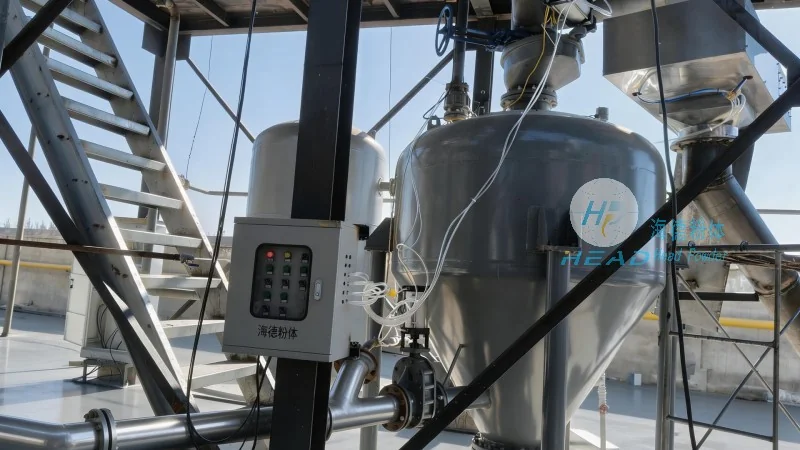
Understanding Titanium Dioxide Powder Conveying Systems
Titanium dioxide (TiO₂) is a widely used white pigment and a key raw material in numerous industries, including coatings, plastics, and paper manufacturing. The efficient handling of TiO₂ powder is crucial to maintain its purity and prevent contamination or degradation during transport. Conventional methods like bucket elevators or belt conveyors may not be suitable for fine powders due to issues such as dust generation, material degradation, and blockages. Pneumatic conveying systems offer a more effective and controlled approach to move titanium dioxide powder from one location to another.
The Role of Pneumatic Conveying in Titanium Dioxide Handling
Pneumatic conveying utilizes compressed air or other gases to transport powders through a pipeline system. This method is particularly advantageous for handling fine, abrasive, or hygroscopic powders like titanium dioxide. The system typically consists of a feeding device, a conveying line, and a discharge unit, with optional components like filters, cyclones, or silos for material separation and storage. The design of the system can vary, including positive pressure, negative pressure, or a combination of both, depending on the specific application requirements.
Key Advantages of Pneumatic Conveying for Titanium Dioxide
One of the primary benefits of pneumatic conveying for titanium dioxide powder is its ability to maintain product integrity. The enclosed pipeline system prevents exposure to air, moisture, or contaminants, which helps preserve the powder's quality and color. This is especially important for applications where the purity of TiO₂ is critical, such as in the production of high-quality paints or cosmetics. Additionally, pneumatic systems offer a high degree of control over the conveying process, allowing for precise flow rates and consistent material delivery.
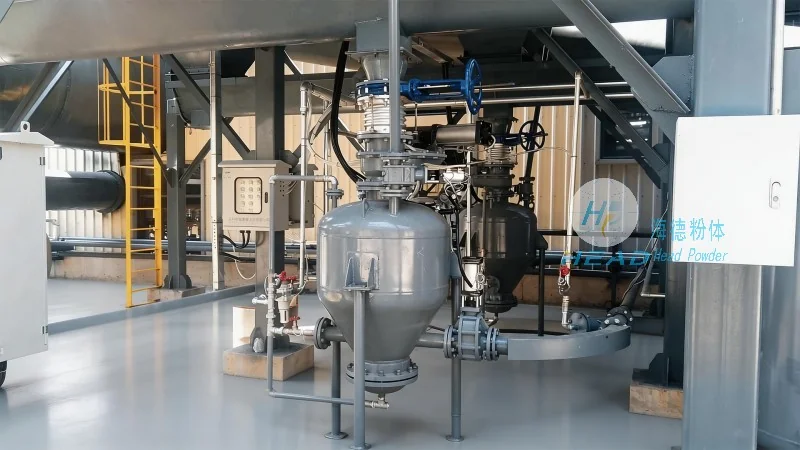
Another significant advantage is the reduction in labor and operational costs. Automated pneumatic conveying systems can operate continuously with minimal human intervention, reducing the need for manual handling and associated risks. The system's design also minimizes the risk of material buildup or blockages, which can lead to downtime and maintenance costs. Furthermore, pneumatic conveying can be integrated with other processing equipment, such as mixers or reactors, to create a seamless production line.
Key Features and Considerations for Titanium Dioxide Pneumatic Conveying
When selecting a pneumatic conveying system for titanium dioxide, several key features and considerations must be taken into account. The choice of conveying method—positive or negative pressure—depends on factors such as the distance to be covered, the amount of material to be transported, and the need for material recovery. Positive pressure systems are often preferred for long-distance or high-volume transport, as they can maintain consistent pressure and prevent material degradation. Negative pressure systems, on the other hand, are suitable for short distances or when the material needs to be isolated from the environment.
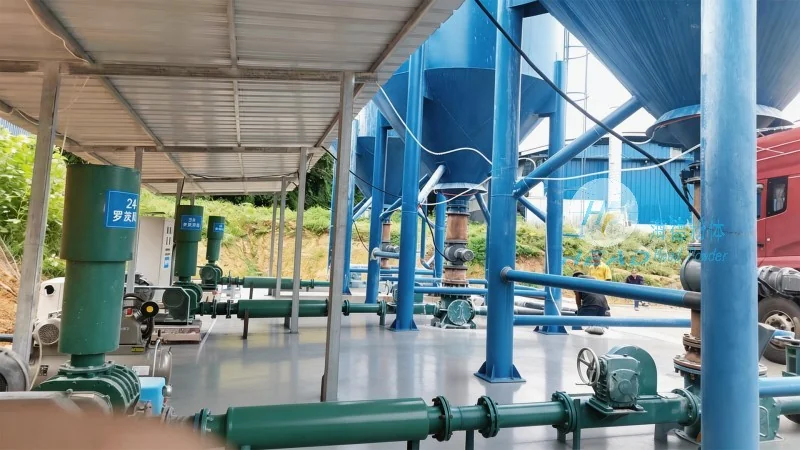
Material compatibility is another critical factor. The conveying components, such as pipes, valves, and filters, must be made of materials that are resistant to the abrasive and corrosive properties of titanium dioxide. Stainless steel or specialized alloys are commonly used to ensure durability and prevent wear. The system also needs to be equipped with effective filtration and separation equipment to prevent dust accumulation and maintain air quality.
Energy efficiency is an important consideration for any industrial system. Modern pneumatic conveying systems are designed to optimize energy consumption through features like variable speed drives and efficient air compressors. This not only reduces operational costs but also aligns with sustainability goals. Additionally, the system's scalability allows for future expansion as production needs grow, providing long-term value for the investment.
Conclusion
In conclusion, pneumatic conveying systems offer a highly effective and reliable solution for the transportation of titanium dioxide powder. By maintaining product integrity, reducing operational costs, and providing flexible integration with other processes, these systems are a valuable asset for any industrial operation. When properly designed and maintained, pneumatic conveying can significantly enhance the efficiency and quality of titanium dioxide handling, contributing to overall process success.




