

Introduction to Sawdust Particle Conveying Systems and the Advantages of Sawdust Pneumatic Conveying
For industrial applications involving the handling of sawdust particles, efficient and reliable conveying systems are crucial. This article introduces the sawdust particle conveying system, highlighting the key features and benefits of pneumatic conveying technology for this specific material. The system is designed to meet the demands of modern sawdust processing operations, ensuring optimal performance and minimal operational challenges.
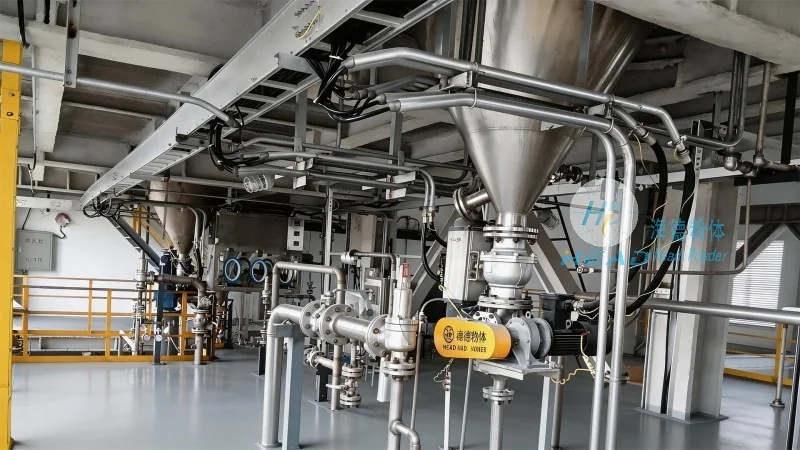
Overview of the Sawdust Particle Conveying System
The sawdust particle conveying system is a specialized equipment solution developed by Shandong HeadPowder Engineering Co., Ltd. (referred to as HeadPowder), a leading manufacturer in the field of material handling systems. This system is engineered to transport sawdust particles from one location to another within a processing facility, supporting various stages of sawdust handling, including collection, storage, and transfer to downstream processing equipment.
HeadPowder, based in Shandong, China, leverages advanced engineering principles and decades of industry experience to design and manufacture high-quality conveying systems tailored to the unique characteristics of sawdust. The company’s commitment to innovation and customer satisfaction has positioned it as a trusted partner for businesses in the woodworking and sawdust processing sectors.
Key Advantages of Sawdust Pneumatic Conveying
Pneumatic conveying, as applied in the sawdust particle system, offers several distinct advantages over traditional mechanical conveying methods. One of the primary benefits is the ability to handle sawdust particles with high efficiency and minimal product degradation. The system uses compressed air to move the material through a network of pipes, eliminating the need for mechanical components like belts or buckets that can cause friction and wear on the sawdust.
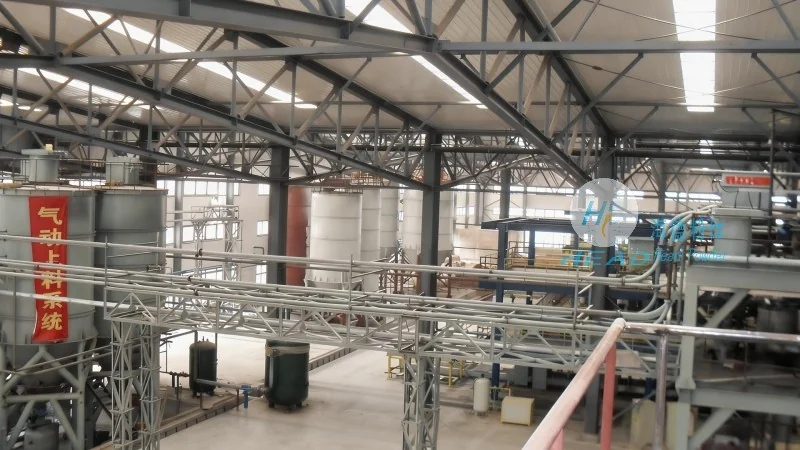
Another significant advantage is the flexibility and scalability of the pneumatic conveying system. It can be easily integrated into existing processing lines or expanded to accommodate increased production volumes. The system is also capable of handling a wide range of sawdust particle sizes and moisture content, making it suitable for diverse applications in the sawdust industry.
Furthermore, the pneumatic conveying system provides a hygienic and clean operation environment. Unlike mechanical systems that may introduce contaminants or cause dust accumulation, the enclosed piping and air filtration systems ensure that the sawdust remains clean and free from external pollutants. This is particularly important for sawdust that may be used in food or pharmaceutical applications where product purity is critical.
System Components and Operational Principles
The sawdust particle conveying system consists of several key components that work together to achieve efficient material transport. The main components include a material feeder, a conveying pipeline, a pressure vessel or receiver, and an air compressor system. The material feeder is responsible for feeding the sawdust into the pipeline at a controlled rate, ensuring consistent flow and preventing blockages.
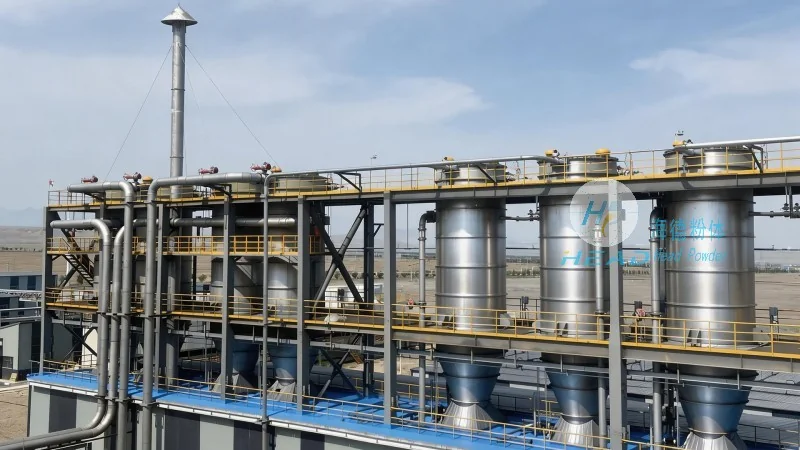
The conveying pipeline is typically made of stainless steel or other corrosion-resistant materials to withstand the abrasive nature of sawdust particles. The system uses positive pressure or negative pressure (or a combination of both) to move the material through the pipes. In positive pressure systems, compressed air is introduced at the inlet, pushing the sawdust particles along the pipeline. In negative pressure systems, air is drawn out of the pipeline, creating a vacuum that pulls the material. The choice between these systems depends on the specific application and the distance over which the material needs to be conveyed.
The pressure vessel or receiver is used to collect the sawdust at the end of the conveying line. It is equipped with a discharge valve that allows the material to be released into a storage bin or processing equipment. The air compressor system provides the necessary pressure or vacuum to drive the conveying process, with the capacity of the compressor matching the system’s requirements to ensure continuous operation.
Applications and Industry Impact
The sawdust particle conveying system is widely used in various applications within the sawdust processing industry. It is commonly employed in sawmills and woodworking plants to transport sawdust from the cutting and shaping operations to storage silos or to downstream processing equipment such as pelletizers or briquetting machines. The system also finds applications in the production of wood pellets, where the efficient transport of sawdust is essential for maintaining consistent product quality and production rates.
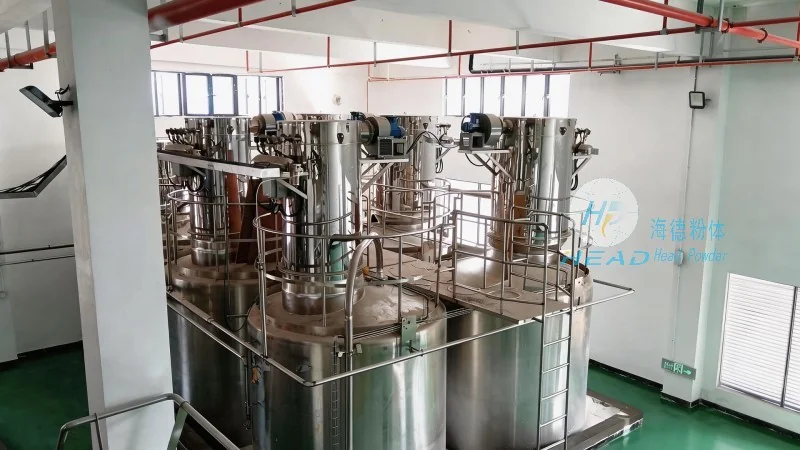
By improving the efficiency of sawdust handling, the system helps to reduce operational costs and increase productivity for businesses. The reduced need for manual handling and the elimination of material loss due to spillage or contamination further enhance the economic benefits of using the pneumatic conveying system. Additionally, the system’s ability to handle large volumes of sawdust quickly and reliably supports the scaling of production operations, making it an essential component for modern sawdust processing facilities.
Conclusion and Future Prospects
In conclusion, the sawdust particle conveying system, particularly the pneumatic conveying variant, represents a highly effective solution for the efficient handling of sawdust particles. Developed by Shandong HeadPowder Engineering Co., Ltd., this system leverages advanced technology and engineering expertise to deliver superior performance, reliability, and flexibility. The advantages of pneumatic conveying, including minimal product degradation, hygienic operation, and scalability, make it an ideal choice for businesses in the woodworking and sawdust processing sectors.
As the demand for efficient material handling solutions continues to grow, the sawdust particle conveying system will remain a critical component in modern processing facilities. With ongoing advancements in technology and the continued commitment of manufacturers like HeadPowder to innovation, the future of sawdust handling is likely to see further improvements in efficiency, sustainability, and operational performance. For businesses seeking to optimize their sawdust processing operations, investing in a high-quality pneumatic conveying system is a strategic decision that can yield significant long-term benefits.