

Introduction to Ceramic Particle Conveying Systems and the Advantages of Ceramic Particle Pneumatic
For industrial applications that require the efficient and reliable transport of ceramic particles, the ceramic particle conveying system has emerged as a critical solution. This system is designed to handle the unique challenges associated with ceramic materials, such as their abrasive nature, high density, and sensitivity to handling. By leveraging pneumatic conveying technology, these systems offer a versatile and effective method for moving ceramic powders and granules through production lines.
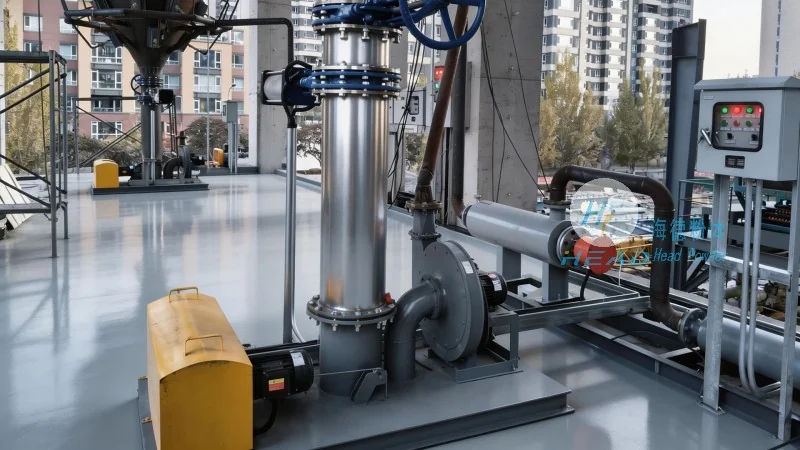
Ceramic Particle Conveying System Overview
The ceramic particle conveying system, often referred to as a pneumatic conveying system, is a specialized equipment setup used to transport ceramic particles from one location to another within a manufacturing facility. These systems typically consist of a hopper for material storage, a conveyor line (either positive or negative pressure), and a receiver for the final delivery of the ceramic particles. The design of the system is tailored to the specific characteristics of the ceramic material being handled, ensuring optimal performance and minimal material degradation.
Advantages of Ceramic Particle Pneumatic Conveying
One of the primary advantages of using pneumatic conveying for ceramic particles is its ability to handle abrasive materials without causing excessive wear on the system components. Ceramic particles are known for their hardness, which can quickly damage traditional mechanical conveyors. Pneumatic systems, however, use air flow to move the particles, reducing direct contact and extending the lifespan of the equipment. Additionally, pneumatic conveying allows for a more hygienic and dust-free environment, which is particularly important in industries where contamination control is paramount, such as pharmaceuticals or food processing.
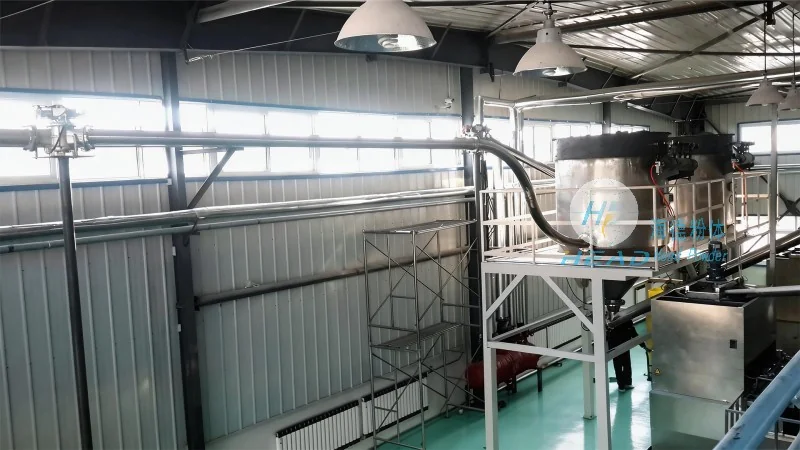
Efficiency and Cost-Effectiveness
Another key benefit of ceramic particle pneumatic conveying is its high efficiency in terms of material throughput. These systems can transport large volumes of ceramic particles at a consistent rate, minimizing downtime and increasing overall productivity. The automated nature of the process also reduces the need for manual handling, which not only improves safety but also lowers labor costs. Furthermore, the ability to integrate the conveying system with other production processes, such as mixing or packaging, enhances operational efficiency and streamlines workflow.
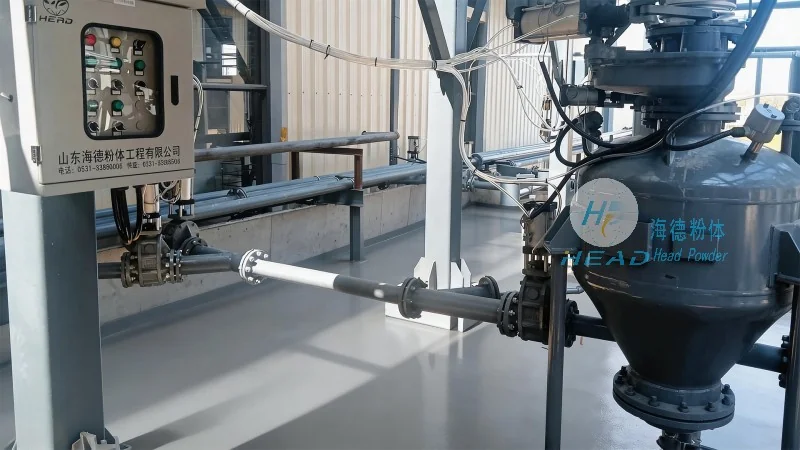
Customization and Flexibility
Shandong HeadPowder Engineering Co., Ltd. specializes in designing and manufacturing customized ceramic particle conveying systems to meet the diverse needs of various industries. The company, based in Shandong, China, understands that different ceramic materials and production environments require tailored solutions. Their expertise lies in selecting the appropriate conveying method—whether it's a positive pressure system for short-distance transport or a negative pressure system for longer distances—and configuring the system with the right components, such as cyclones, filters, and material feeders.
Reliability and Maintenance
The reliability of a ceramic particle conveying system is crucial for maintaining consistent production output. Shandong HeadPowder Engineering Co., Ltd. employs robust construction materials and advanced engineering principles to ensure that their systems operate reliably over extended periods. Regular maintenance is also a key aspect of system performance, and the company provides comprehensive support, including maintenance plans and spare parts availability, to minimize downtime and maximize system uptime. This focus on reliability and support makes their systems a trusted choice for industries that depend on consistent material flow.