

Principle and Classification Applications of Coal Gangue Pneumatic Conveying
Coal gangue, also known as coal waste or mine rock, is a byproduct of coal mining operations. It consists of various rock fragments and mineral particles that are separated from the coal during extraction. The efficient handling and transportation of coal gangue are crucial for optimizing mining operations and ensuring environmental compliance. Pneumatic conveying systems offer a reliable solution for transporting coal gangue over long distances with minimal environmental impact.
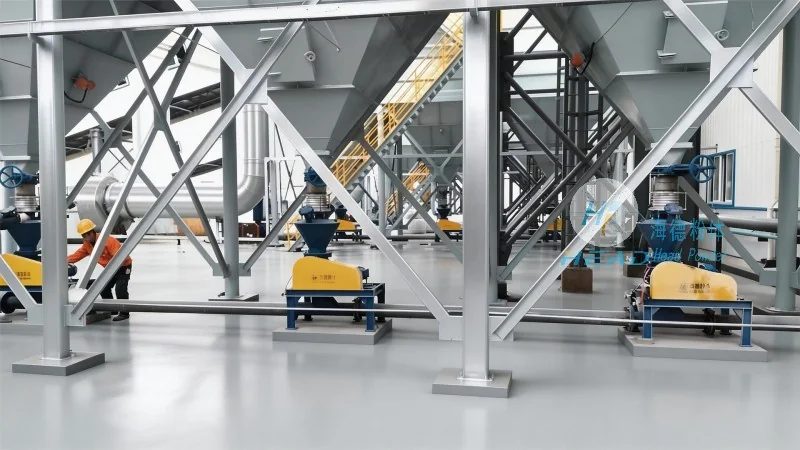
The Working Principle of Coal Gangue Pneumatic Conveying
Pneumatic conveying systems utilize air pressure to transport bulk materials like coal gangue through a pipeline network. The process typically involves a series of components, including a material feeder, a conveying line, and a discharge unit. The material is fed into the system and mixed with air, which then propels the material through the pipeline. The air pressure can be generated by positive pressure (where air is forced into the system) or negative pressure (where air is drawn out of the system). The choice of pressure type depends on the specific application and material characteristics.
Classification of Coal Gangue Pneumatic Conveying Systems
Coal gangue pneumatic conveying systems can be classified into several types based on their operational principles and design. The main categories include:
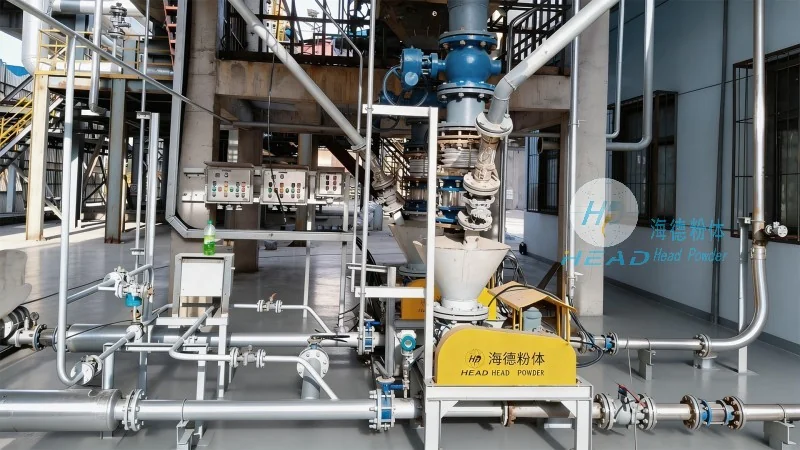
1. Positive Pressure Systems: These systems use a blower or compressor to generate air pressure that pushes the material through the pipeline. They are suitable for transporting materials over long distances and can handle a wide range of particle sizes. Positive pressure systems are commonly used in industrial settings where the material needs to be transported to a specific location.
2. Negative Pressure (Vacuum) Systems: These systems use a vacuum pump to create a low-pressure environment that draws the material into the pipeline. They are ideal for applications where the material needs to be collected from multiple sources and transported to a central location. Negative pressure systems are often used in environments where dust control is a priority.
3. Combined Systems: Some systems combine both positive and negative pressure principles to optimize material transport. These systems are designed to handle complex material flow requirements and can adapt to varying operational conditions.
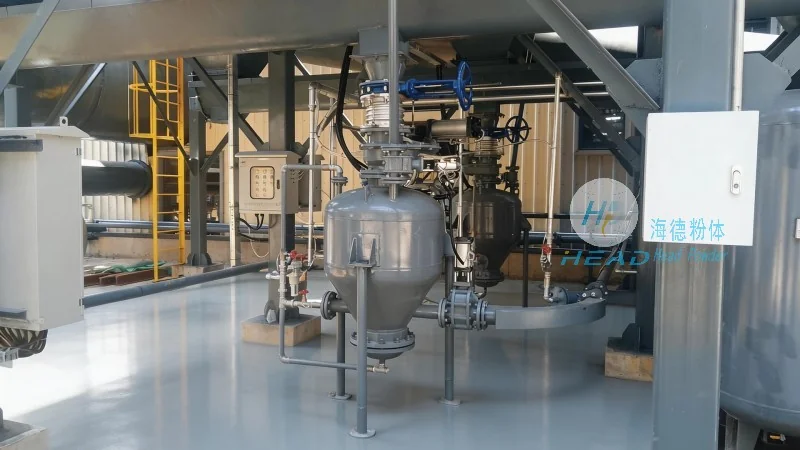
Applications of Coal Gangue Pneumatic Conveying
Coal gangue pneumatic conveying systems are widely used in various industries, including mining, construction, and energy. The primary applications include:
1. Coal Gangue Transportation in Mining Operations: Pneumatic conveying systems are used to transport coal gangue from the mining site to processing facilities or disposal sites. This method reduces the need for heavy machinery and minimizes the environmental impact of material handling.
2. Coal Gangue Utilization in Construction Materials: Coal gangue can be processed and used as a raw material for cement, bricks, and other construction products. Pneumatic conveying systems facilitate the transport of processed gangue to production lines, improving efficiency and reducing transportation costs.
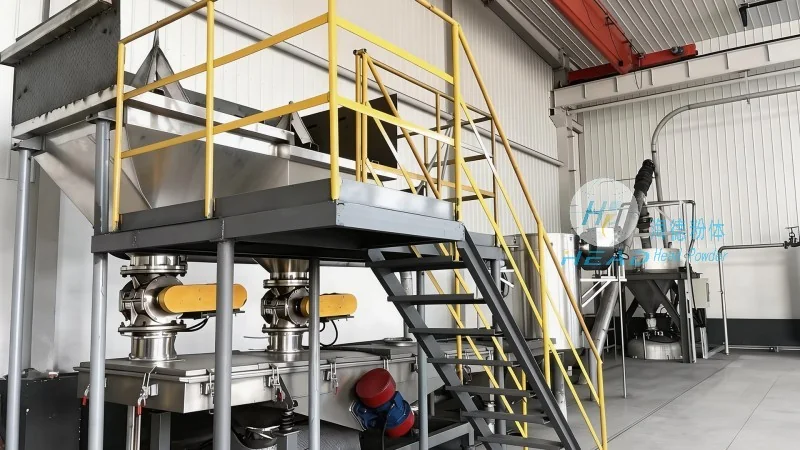
3. Environmental Remediation: Pneumatic conveying systems are used in environmental projects to transport coal gangue from contaminated sites to disposal or treatment facilities. This helps in the proper management of mine waste and reduces the risk of environmental pollution.
About Shandong HeadPowder Engineering Co., Ltd.
Shandong HeadPowder Engineering Co., Ltd., commonly known as HeadPowder, is a leading provider of pneumatic conveying solutions for coal gangue and other bulk materials. With years of experience in the industry, HeadPowder specializes in designing and manufacturing customized pneumatic conveying systems that meet the specific needs of clients. The company's team of engineers and technicians work closely with clients to understand their operational requirements and develop efficient solutions. HeadPowder's products are known for their reliability, durability, and energy efficiency, making them a preferred choice for industrial applications.