

Preventing Pipeline Blockages in Pneumatic Conveying for Catalyst Transport: Key Design Parameters
Efficient and reliable transport of catalysts is crucial in industrial processes, and pneumatic conveying systems have emerged as a preferred method due to their ability to handle abrasive and sensitive materials. However, a common challenge in such systems is the risk of pipeline blockages, which can lead to operational disruptions and increased maintenance costs. Understanding and implementing the right design parameters are essential to mitigate these risks and ensure smooth operation.
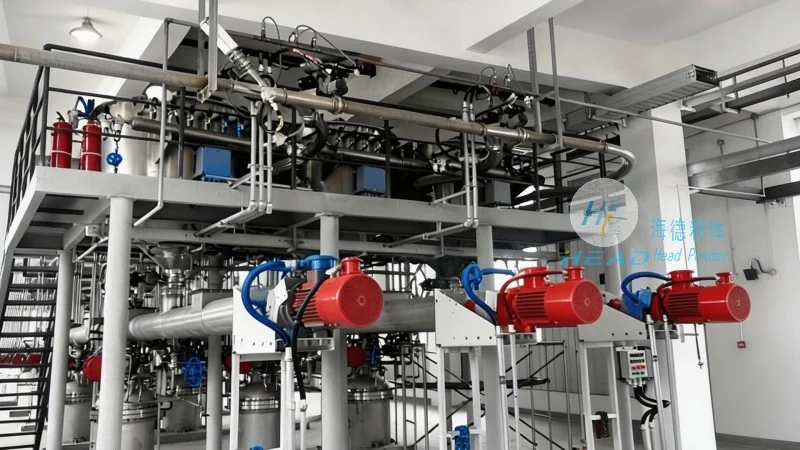
HeadPowder: A Leading Provider of Pneumatic Conveying Solutions
Shandong HeadPowder Engineering Co., Ltd., a reputable company based in China, specializes in the design, manufacturing, and installation of advanced pneumatic conveying systems tailored for catalyst transport. With years of experience in the field, HeadPowder has developed a deep understanding of the unique challenges associated with handling catalysts, including their varying particle sizes, densities, and flow characteristics. The company's commitment to quality and innovation has positioned it as a trusted partner for industries seeking reliable solutions to prevent pipeline blockages.
Key Design Parameters for Preventing Pipeline Blockages in Pneumatic Conveying
Several critical design parameters play a pivotal role in preventing pipeline blockages during catalyst transport. The first and most fundamental parameter is the system pressure. Maintaining an appropriate pressure level ensures that the material is adequately conveyed without causing excessive stress on the pipeline or the catalyst particles. HeadPowder recommends operating at pressures that are sufficient to overcome the resistance caused by the material's density and the system's geometry, while avoiding excessive pressure that could lead to particle degradation or system wear.
Another crucial parameter is the conveying velocity. The velocity of the conveying air or gas must be optimized to ensure that the catalyst particles are carried efficiently without settling or clustering. High velocities can prevent blockages by keeping particles in suspension, but excessively high velocities may increase energy consumption and cause wear on the system components. HeadPowder engineers carefully calculate the optimal velocity based on the particle size distribution, density, and the desired conveying distance, ensuring that the system operates within the most efficient and safe range.
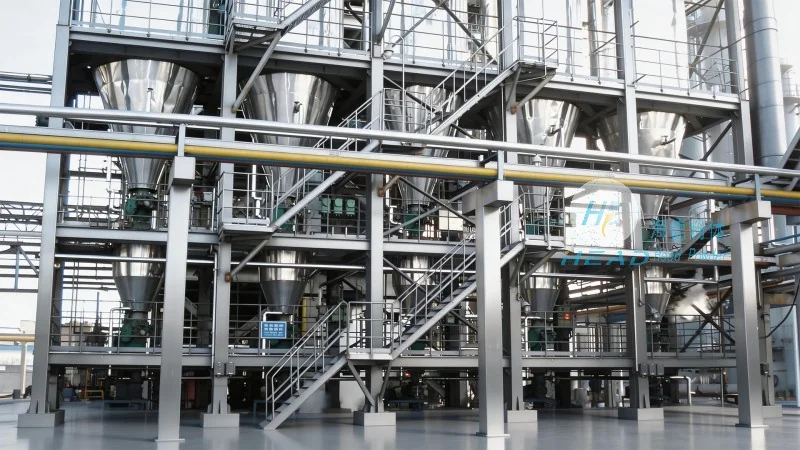
The diameter of the conveying pipeline is also a key design factor. A larger diameter reduces the risk of blockages by providing more space for the catalyst particles to move freely. However, the diameter must be balanced with the system's pressure requirements and the overall cost of the pipeline. HeadPowder's design process involves selecting the appropriate diameter that meets the conveying capacity while minimizing the likelihood of particle accumulation. For example, in systems handling fine catalyst powders, a slightly larger diameter may be recommended to prevent clogging caused by particle agglomeration.
Bend and elbow designs are also critical in preventing blockages. Sharp bends or narrow elbows can cause the catalyst particles to impact the pipe walls, leading to abrasion and potential blockages. HeadPowder incorporates smooth, gradual bends with appropriate radii to minimize friction and particle impact. The use of curved or helical bends can also help maintain particle suspension and reduce the risk of settling. Additionally, the material of the pipeline and fittings is important; corrosion-resistant materials like stainless steel are often used to prevent material buildup and maintain system integrity.
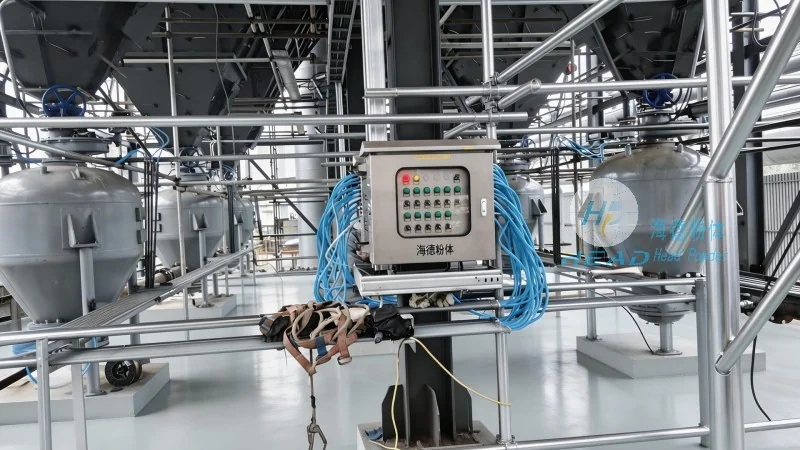
Material Characteristics and System Integration
The physical and chemical properties of the catalyst being transported significantly influence the design of the pneumatic conveying system. Catalysts can vary widely in terms of particle size, shape, density, and moisture content. These characteristics affect how the material behaves under pressure and velocity, and thus must be considered in the design process. HeadPowder conducts thorough material analysis to understand the specific properties of the catalyst, allowing for the selection of the most suitable conveying method and design parameters.
System integration is another aspect that impacts the prevention of blockages. The entire conveying system, including the feed hopper, conveyor, and discharge equipment, must be designed to work in harmony. A poorly integrated system may lead to uneven material flow or pressure fluctuations that contribute to blockages. HeadPowder emphasizes the importance of a comprehensive system design, ensuring that each component is optimized for the overall conveying process. This includes proper sealing of the feed and discharge points to prevent air leakage and material loss, which can affect the system's pressure and flow characteristics.
Conclusion: Ensuring Efficient Catalyst Transport with HeadPowder
Preventing pipeline blockages in pneumatic conveying systems for catalyst transport requires a careful consideration of multiple design parameters. By focusing on system pressure, conveying velocity, pipeline diameter, bend design, and material characteristics, industries can significantly reduce the risk of operational disruptions and maintenance costs. Shandong HeadPowder Engineering Co., Ltd. offers expert solutions tailored to these requirements, leveraging years of experience and advanced engineering to deliver reliable and efficient pneumatic conveying systems. With their commitment to quality and customer satisfaction, HeadPowder continues to be a leading provider of solutions that ensure smooth and uninterrupted catalyst transport, supporting the productivity and success of industrial operations.