For industrial operations dealing with electric calcined dolomite, the selection of an efficient material handling system is critical to operational efficiency and cost-effectiveness. Pneumatic conveying technology has emerged as a versatile solution for transporting bulk materials like electric calcined dolomite, offering advantages such as reduced equipment wear, improved safety, and enhanced process control. This article explores the application and optimization of pneumatic conveying systems in the design of electric calcined dolomite transport processes, highlighting key considerations and best practices for effective implementation.
HeadPowder Engineering: Expertise in Pneumatic Conveying Solutions
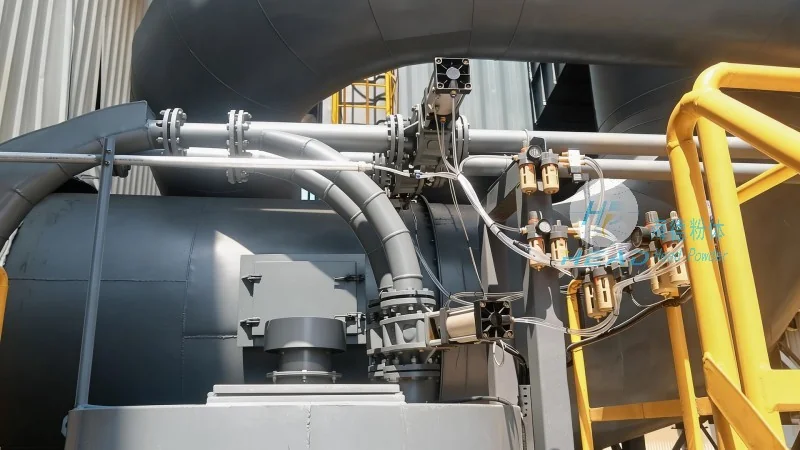
HeadPowder, a leading engineering firm based in Shandong, China, specializes in the design, manufacturing, and integration of pneumatic conveying systems tailored to the unique needs of industrial clients. With a strong focus on innovation and customer-centric solutions, HeadPowder has established itself as a trusted partner for businesses seeking reliable material handling solutions. The company’s expertise spans the entire lifecycle of pneumatic conveying systems, from initial design and engineering to installation, commissioning, and ongoing maintenance. By leveraging advanced technology and a deep understanding of material properties, HeadPowder ensures that its systems deliver optimal performance and longevity.
Pneumatic Conveying Technology for Electric Calcined Dolomite: Key Advantages
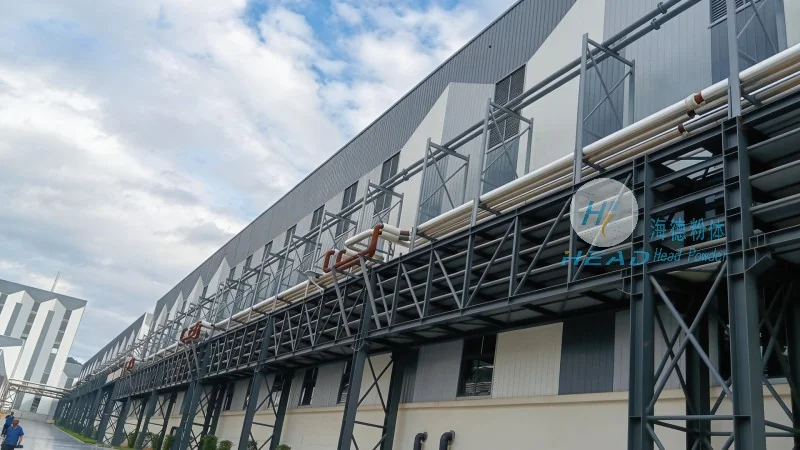
When transporting electric calcined dolomite, traditional methods like belt conveyors or bucket elevators may face challenges such as material degradation, dust generation, and high maintenance costs. Pneumatic conveying systems address these issues by utilizing air pressure to move material through a closed pipeline system. This approach offers several distinct advantages for electric calcined dolomite transport:
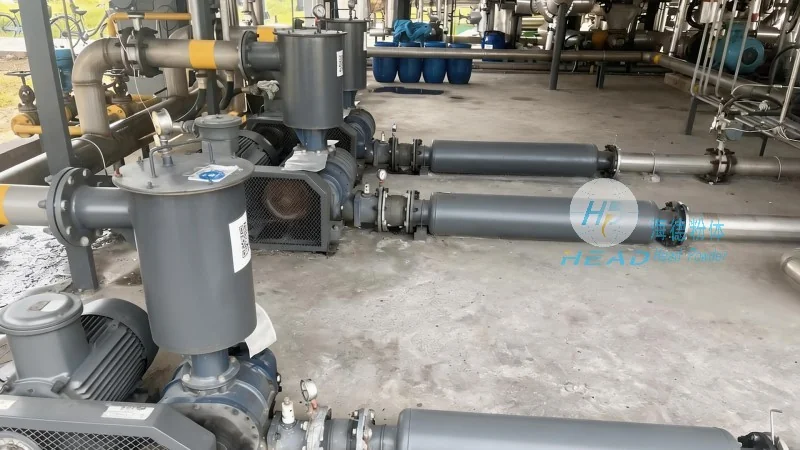
- Reduced Material Degradation: Pneumatic conveying minimizes mechanical impact and friction, preserving the quality and integrity of electric calcined dolomite particles. This is particularly important for materials used in applications requiring high purity and consistent particle size.
- Enhanced Safety: By containing the material within a sealed system, pneumatic conveyors eliminate the risk of dust explosions and reduce exposure to airborne particles for personnel. This aligns with stringent safety regulations and promotes a healthier work environment.
- Improved Process Control: Pneumatic systems allow for precise control over material flow rates, pressure, and temperature, enabling seamless integration with downstream processes such as blending, packaging, or further processing.
- Space Efficiency: Unlike traditional bulk handling equipment, pneumatic conveyors require minimal floor space and can be installed in vertical or horizontal configurations, making them suitable for both new and existing facilities.
Design Considerations for Optimizing Electric Calcined Dolomite Transport
Optimizing the design of a pneumatic conveying system for electric calcined dolomite involves careful consideration of several factors to ensure efficiency, reliability, and cost-effectiveness. Key design considerations include:
- Material Properties Analysis: Understanding the physical and chemical characteristics of electric calcined dolomite, such as particle size distribution, density, moisture content, and abrasiveness, is essential for selecting the appropriate conveying system type (e.g., dilute phase, dense phase, or hybrid systems) and components (e.g., airlocks, cyclones, and filters).
- System Configuration: The layout of the conveying system, including the number and location of inlets and outlets, the length and diameter of the pipeline, and the placement of airlocks and other equipment, must be optimized to minimize pressure losses and energy consumption. For electric calcined dolomite, which may have varying particle sizes, a combination of dilute and dense phase conveying may be necessary to achieve the desired flow rates and material handling efficiency.
- Energy Efficiency: Modern pneumatic conveying systems incorporate energy-saving features such as variable frequency drives (VFDs), optimized air pressure control, and efficient filter systems. These technologies help reduce operational costs while maintaining system performance.
- Integration with Existing Infrastructure: When retrofitting an existing facility, the design must account for compatibility with current equipment, space constraints, and utility availability. HeadPowder’s engineering team specializes in customizing systems to fit within existing plant layouts, minimizing disruption to operations.
Case Study: Optimizing Electric Calcined Dolomite Transport for a Manufacturing Plant
A leading manufacturer of industrial chemicals sought to improve the efficiency of its electric calcined dolomite handling process. The plant was experiencing high maintenance costs due to equipment wear and frequent material blockages in traditional conveyor systems. After consulting with HeadPowder, the client implemented a custom-designed pneumatic conveying system that integrated dilute and dense phase conveying technologies. The new system reduced material degradation by 30% and lowered energy consumption by 25% compared to the previous method. Additionally, the sealed system eliminated dust-related safety hazards, resulting in a safer working environment and compliance with local regulations. The project demonstrated the significant benefits of optimizing pneumatic conveying systems for electric calcined dolomite transport, highlighting the importance of tailored engineering solutions.
Conclusion: The Role of Pneumatic Conveying in Modern Electric Calcined Dolomite Handling
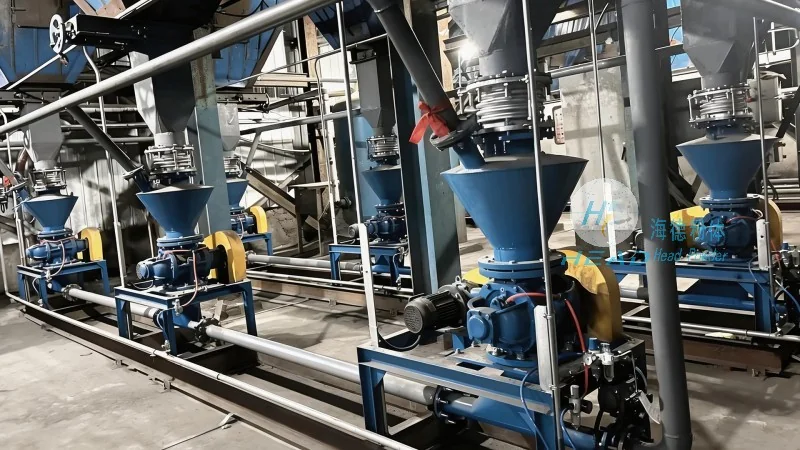
As industries continue to demand higher efficiency and safety standards in material handling, pneumatic conveying technology remains a top choice for electric calcined dolomite transport. By leveraging advanced design principles and expert engineering, companies like HeadPowder are helping clients optimize their operations, reduce costs, and enhance product quality. The application of optimized pneumatic conveying systems not only improves the overall performance of electric calcined dolomite handling processes but also contributes to sustainable industrial practices by minimizing waste and maximizing resource utilization. For businesses looking to enhance their electric calcined dolomite transport capabilities, partnering with a specialized engineering firm like HeadPowder ensures access to cutting-edge solutions and expert guidance throughout the entire project lifecycle.




