For industrial applications involving lancoal, the choice between negative pressure and positive pressure conveying systems is a critical decision that impacts operational efficiency, cost, and safety. This article provides a detailed comparison of the advantages and disadvantages of negative pressure and positive pressure conveying methods in lancoal pneumatic transport, offering insights that can guide industry professionals in selecting the most suitable system for their specific needs.
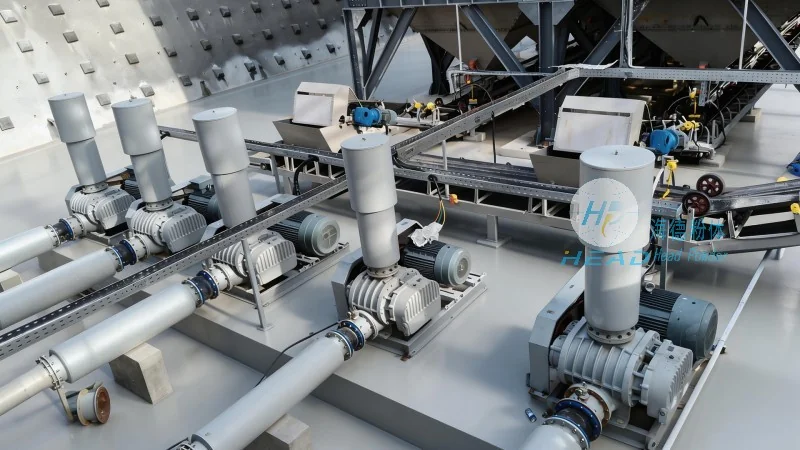
Introduction to Lancoal Pneumatic Conveying Systems
Lancoal, a type of low-rank coal, is widely used in various industrial processes such as power generation, chemical production, and material processing. Pneumatic conveying is a common method for transporting lancoal due to its ability to handle bulk materials efficiently and with minimal environmental impact. The two primary types of pneumatic conveying systems are negative pressure (or suction) and positive pressure (or pressure) systems. Each has distinct characteristics that make it suitable for different operational scenarios.
Advantages and Disadvantages of Negative Pressure Conveying in Lancoal Transport
Negative pressure conveying, also known as suction conveying, operates by creating a low-pressure zone at the material inlet, drawing the lancoal into the system using a vacuum. This method is particularly effective for applications where the material is to be transported from a source to a destination, often over short to medium distances. One of the key advantages of negative pressure systems is their ability to handle fine or dusty materials without the risk of particle breakage, as the material is drawn into the system rather than forced through pipes. This makes them ideal for transporting lancoal with high moisture content or sensitive particles.
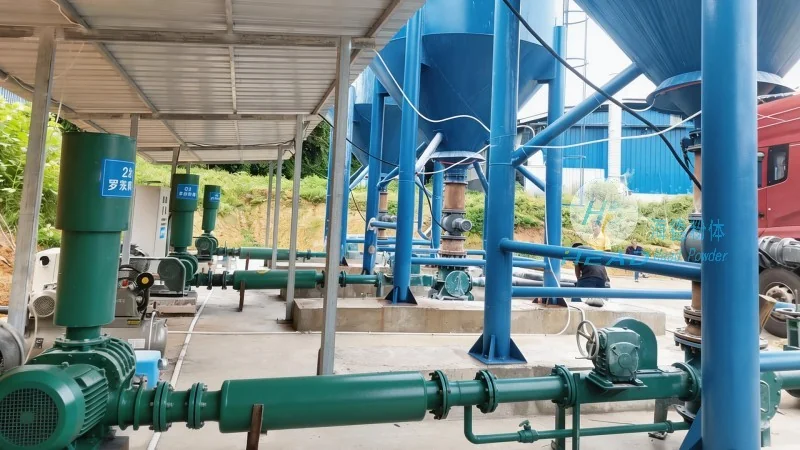
Another advantage is the relatively lower initial cost of negative pressure systems compared to positive pressure systems. The equipment required, such as vacuum pumps and suction hoppers, is generally less complex and less expensive to install. Additionally, negative pressure systems can be more flexible in terms of layout, as they can accommodate changes in the material source or destination without major modifications to the system. However, negative pressure conveying has several significant disadvantages that must be considered. The most notable drawback is the limited conveying distance and capacity. The suction power of the vacuum pump restricts the length of the pipeline and the volume of material that can be transported, making it unsuitable for long-distance or high-volume lancoal transport. Furthermore, negative pressure systems are more susceptible to clogging and blockages, as the material is drawn through the system, which can lead to operational disruptions and increased maintenance costs.
Advantages and Disadvantages of Positive Pressure Conveying in Lancoal Transport
Positive pressure conveying, or pressure conveying, operates by using a blower or compressor to generate high-pressure air that forces the lancoal through the conveying pipeline. This method is suitable for transporting lancoal over longer distances and at higher capacities compared to negative pressure systems. One of the primary advantages of positive pressure systems is their ability to handle longer pipeline lengths and higher material volumes. The high-pressure air ensures that the lancoal is pushed through the system, reducing the risk of clogging and blockages. This makes positive pressure systems ideal for applications requiring continuous, high-volume lancoal transport over distances of several kilometers.
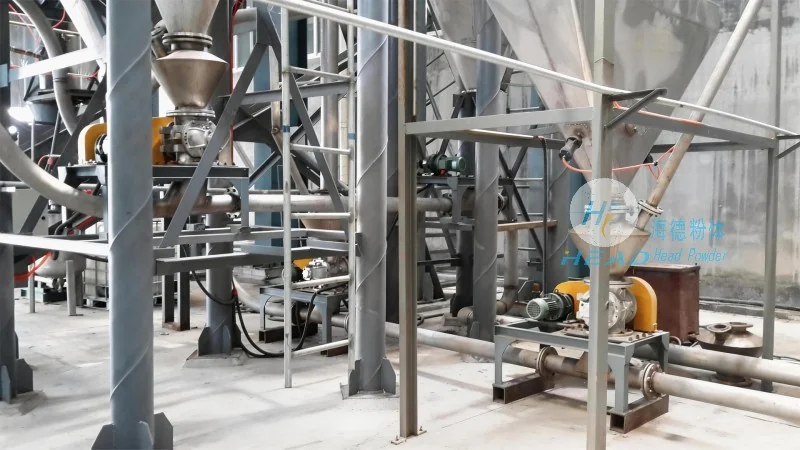
Another key advantage is the improved material handling capability. Positive pressure systems can transport lancoal with a wider range of particle sizes and moisture content without significant degradation. The high-pressure air also helps to break up agglomerates, ensuring a more uniform flow of material. However, positive pressure conveying also has notable disadvantages. The most significant drawback is the higher initial and operational costs. The equipment required, such as high-capacity blowers and pressure hoppers, is more expensive to purchase and maintain. Additionally, positive pressure systems generate more noise and vibration, which can affect the working environment and require additional noise control measures. Furthermore, the high-pressure air can cause the lancoal to degrade or lose moisture, which may affect the quality of the material for downstream processes.
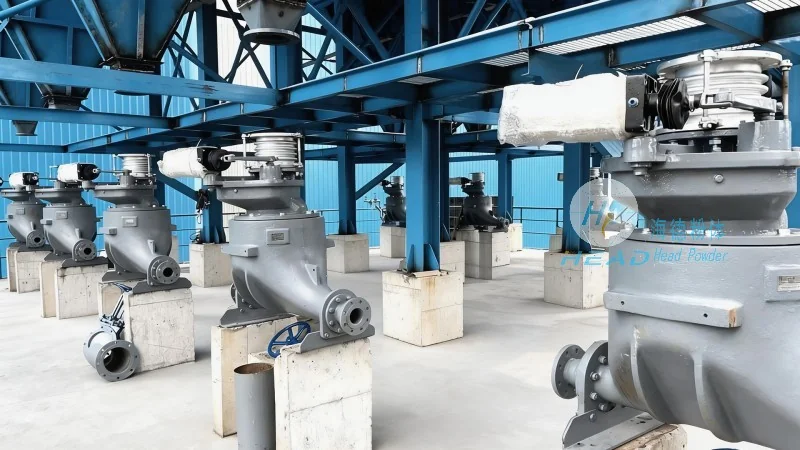
Key Considerations for Selecting Between Negative and Positive Pressure Conveying
When choosing between negative and positive pressure conveying systems for lancoal transport, several factors must be considered. The primary factors include the distance and volume of material to be transported, the characteristics of the lancoal (such as particle size, moisture content, and dustiness), and the operational budget. For short-distance transport of fine or sensitive lancoal, negative pressure systems may be more suitable due to their lower cost and ability to handle delicate materials. However, for long-distance or high-volume transport, positive pressure systems are generally preferred due to their higher capacity and reliability. The layout of the facility and the available space also play a role, as negative pressure systems may require more space for the suction equipment and pipeline layout.
Conclusion
In conclusion, both negative pressure and positive pressure conveying systems have their own set of advantages and disadvantages when used for lancoal pneumatic transport. The choice between the two depends on the specific requirements of the application, including distance, volume, material characteristics, and budget constraints. By understanding the strengths and weaknesses of each system, industry professionals can make an informed decision that optimizes operational efficiency and cost-effectiveness. Shandong HeadPowder Engineering Co., Ltd., a leading provider of lancoal conveying solutions, offers a range of customized pneumatic conveying systems tailored to meet the diverse needs of industrial clients. With years of experience in the field, HeadPowder provides expert guidance and high-quality equipment to ensure reliable and efficient lancoal transport for its customers.




