When it comes to transporting ceramic materials through pneumatic systems, the choice between negative pressure and positive pressure conveying is a critical decision that impacts efficiency, material quality, and operational costs. Both methods have their unique characteristics, advantages, and drawbacks, making it essential for industry professionals to understand the nuances of each approach. This article provides a detailed comparison of negative pressure versus positive pressure conveying in ceramic applications, highlighting key factors that influence the selection process. Shandong HeadPowder Engineering Co., Ltd. specializes in providing customized pneumatic conveying solutions tailored to the specific needs of ceramic manufacturers, ensuring optimal performance and material integrity.
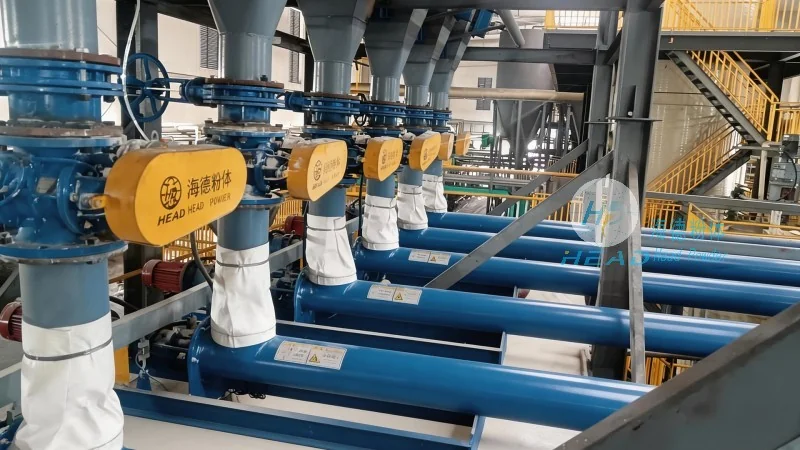
Understanding Pneumatic Conveying Systems for Ceramics
Pneumatic conveying systems are widely used in the ceramic industry to transport powders, granules, and other particulate materials from one location to another. These systems rely on the movement of air or gas to transport the material, and the choice of pressure type—negative or positive—significantly affects system design, energy consumption, and material handling capabilities. The primary goal of any ceramic pneumatic conveying system is to maintain material integrity, minimize degradation, and ensure consistent flow rates. However, the optimal method depends on the specific characteristics of the ceramic material, the distance of transport, and the overall system requirements.
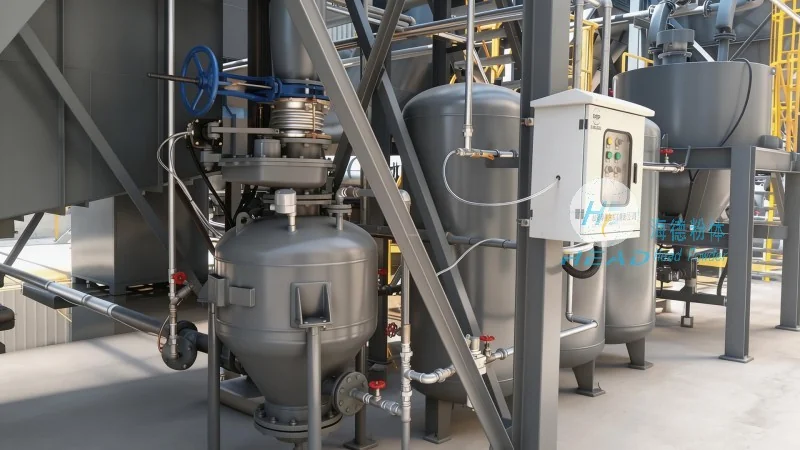
Negative Pressure Conveying: How It Works and Its Key Features
Negative pressure conveying, also known as suction conveying, operates by creating a vacuum at the material pickup point. This vacuum draws the material into the conveying line using the pressure differential between the system and the surrounding environment. The system typically includes a suction hopper, a filter, and a blower or vacuum pump that generates the negative pressure. The material is drawn from the source, passes through the filter to remove dust and contaminants, and is then transported to the discharge point. The key advantages of negative pressure conveying include its ability to handle fine powders and delicate materials without causing excessive friction or degradation. Additionally, it is often more cost-effective for short to medium distances, as it requires less complex equipment compared to positive pressure systems.
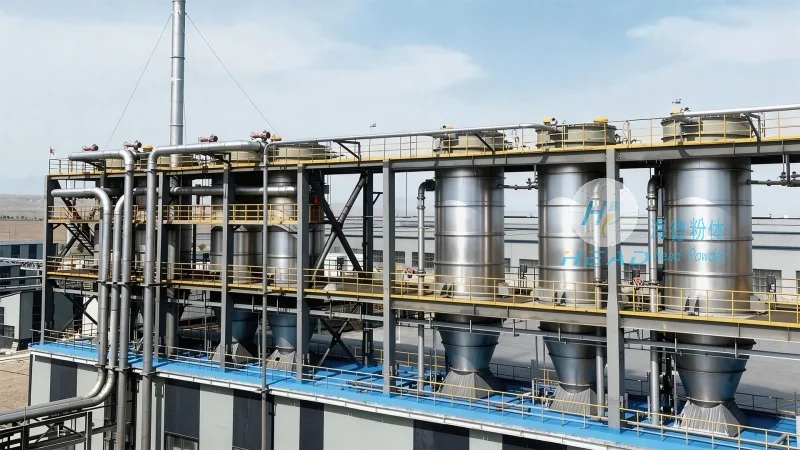
However, negative pressure conveying has several limitations. The primary drawback is its lower conveying capacity compared to positive pressure systems, as the vacuum limits the amount of material that can be drawn at any given time. This can result in longer cycle times for large batches. Furthermore, the system is more susceptible to external air infiltration, which may affect the material's quality and the overall efficiency of the process. Another challenge is the need for a robust filtration system to prevent dust from escaping into the environment, which adds to the operational complexity and maintenance costs.
Positive Pressure Conveying: Mechanism and Advantages
Positive pressure conveying, or pressure conveying, works by blowing air or gas into the conveying line, creating a pressure higher than the ambient environment. The material is then pushed through the system from the discharge point back to the pickup point. This method is particularly effective for transporting larger quantities of material over longer distances and is commonly used in applications where high material flow rates are required. The primary advantage of positive pressure conveying is its higher conveying capacity and ability to handle abrasive or heavy materials without causing excessive wear on the system components. It also provides better control over the material's velocity and direction, reducing the risk of material degradation.
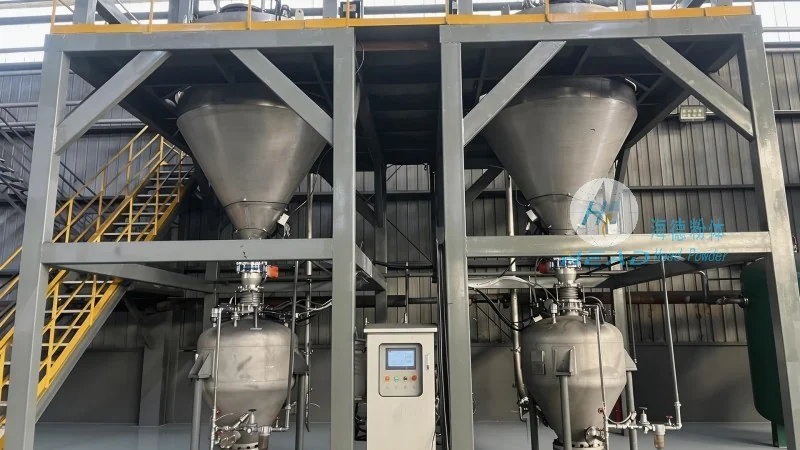
However, positive pressure conveying comes with its own set of challenges. The most significant drawback is the higher energy consumption compared to negative pressure systems, as it requires a powerful blower or compressor to maintain the necessary pressure. This increases operational costs, especially for large-scale operations. Additionally, the system is more prone to material buildup in the conveying line, which can lead to blockages and require more frequent maintenance. The higher pressure also increases the risk of material leakage and potential safety hazards, necessitating more stringent safety measures and equipment.




